



What Makes a Plate 'Climate-Smart'?
In a world grappling with a warming climate, “climate-smart” is more than a buzzword; it’s a survival strategy. For India, it means confronting the immense environmental cost of its staple crops. Rice and wheat, the cornerstones of the nation's diet since
the Green Revolution of the 1960s, are incredibly thirsty. Rice paddies, in particular, consume vast amounts of water and release significant amounts of methane, a potent greenhouse gas. As heat waves intensify and monsoons become more erratic, the vulnerability of these water-intensive crops poses a direct threat to India’s food security. A climate-smart plate, therefore, is one that relies on ingredients that are naturally resilient to these pressures. This means crops that require less water, tolerate higher temperatures, have a smaller carbon footprint, and enrich the soil rather than depleting it. It’s a fundamental rethinking of agriculture, away from maximizing yield at any cost and toward building a food system that can withstand the shocks of a changing planet.
The Mighty Return of Millets
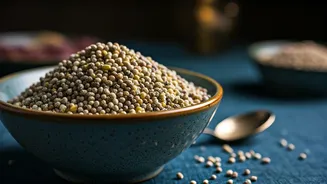
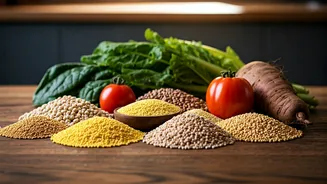
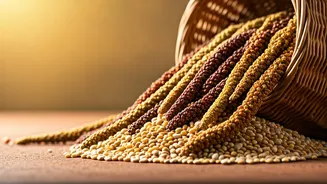
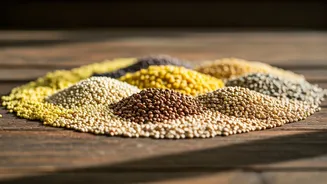
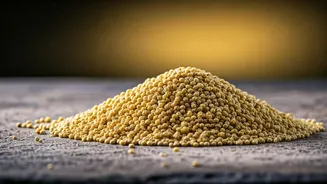
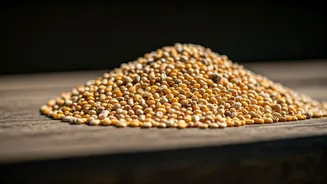
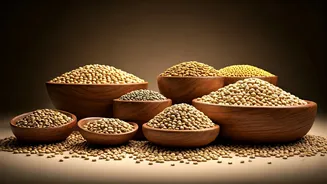
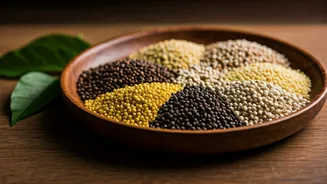
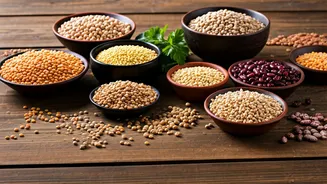
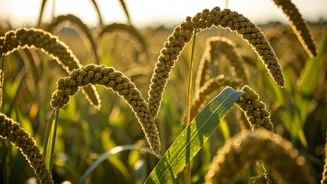
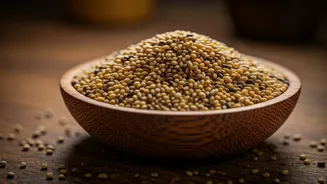
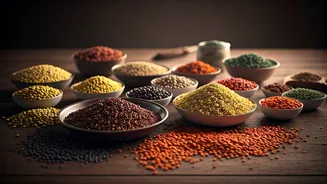
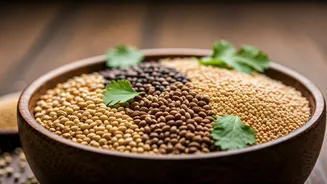
The hero of this story is a humble family of grains known as millets. Varieties like jowar (sorghum), bajra (pearl millet), and ragi (finger millet) were staples across India for centuries before being pushed aside by the government-subsidized cultivation of rice and wheat. Today, they are making a powerful comeback as “nutri-cereals.” Their advantages are remarkable. Millets are famously hardy, thriving in arid conditions and poor soil where rice and wheat would fail. They require up to 70% less water, mature faster, and need fewer pesticides and fertilizers. This incredible resilience makes them a perfect fit for India’s climate-proofing strategy. Recognizing this, the Indian government has launched a massive promotional campaign, branding them as “superfoods” and reintroducing them into public food programs. This push culminated in the UN declaring 2023 the “International Year of Millets” at India’s suggestion, putting these ancient grains on the global stage.
Why Now? The 2026 Tipping Point
The headline's 2026 date isn't about a single law flicking a switch, but rather a target by which a wave of policies and initiatives are expected to hit critical mass. For years, the Indian government has been laying the groundwork to shift both farmers and consumers toward these more sustainable crops. This includes changing the structure of agricultural subsidies, which have long favored rice and wheat, to create better financial incentives for farmers to plant millets. It also involves investing in new supply chains to get these grains from the farm to urban markets efficiently. By 2026, these efforts are projected to mature, leading to a more visible presence of climate-smart ingredients in the national food supply. It represents a tipping point where the combined force of policy, market demand, and agricultural reality begins to tangibly reshape the country's diet.
From the Field to Your Fork
This agricultural shift is already inspiring culinary innovation across India. High-end chefs are crafting millet-based tasting menus, while food-tech startups are rolling out millet pancakes, pastas, and breakfast cereals. What begins as a domestic policy in India rarely stays there. Indian cuisine is one of the most popular in the world, and as these ingredients become more mainstream on the subcontinent, they are poised to influence menus in the U.S. and Europe. You might soon see ragi-based dosa, sorghum biryani, or millet bread alongside the familiar naan at your local Indian restaurant. This isn't just about novelty; it's about a global food culture adapting to an urgent reality. The flavors on the Indian plate are becoming a delicious lesson in climate resilience.
The Road Ahead Is Not Easy
Despite the momentum, transforming the diet of 1.4 billion people is a monumental task. Decades of consumer habits and culinary traditions are built around rice and wheat, and shifting tastes takes time. For farmers, moving away from guaranteed government purchases of traditional grains toward the less predictable millet market can feel like a risky bet. Establishing robust processing facilities and distribution networks to make millets as convenient and affordable as rice or flour is another significant hurdle. The success of this climate-smart transition will depend on sustained government support, private sector innovation, and a genuine cultural embrace of these forgotten super-grains. It’s a long-term project, and its full impact will unfold over the next decade.