






Sikkim: The Himalayan Trailblazer
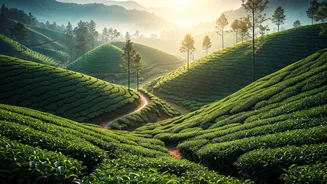
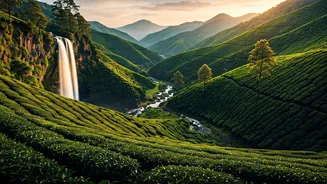
Tucked away in the Himalayas between Nepal and Bhutan, Sikkim has become the poster child for India's green movement. In 2016, it was declared the country's first—and the world's first—fully organic state, banning chemical pesticides and fertilizers.
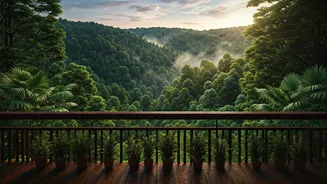
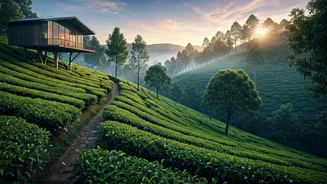
But its commitment to sustainability runs deeper than just agriculture. The state actively promotes low-impact, community-based tourism. Instead of sprawling resorts, you’ll find charming homestays run by local families, offering an authentic immersion into Sikkimese culture. Treks through valleys filled with rhododendrons lead to remote Buddhist monasteries, with breathtaking views of Kangchenjunga, the world's third-highest peak. The focus here isn't just on seeing the landscape, but on preserving it for generations to come.
Kerala’s Backwaters: Life on the Water
For many travelers, the southern state of Kerala has long been synonymous with its serene backwaters—a vast network of lakes, canals, and lagoons. While the iconic thatched-roof houseboats (kettuvallams) remain a popular draw, the region is consciously pivoting toward more sustainable models. Many operators now use solar power and bio-tanks, and there's a growing emphasis on village tours that directly benefit local communities. Visitors can glide past emerald-green paddy fields, watch fishermen cast their nets, and stop at small villages to learn about coir (coconut fiber) weaving or traditional spice farming. It’s a slow-paced, immersive experience that offers a powerful contrast to the frenetic energy of India's megacities, reminding visitors of the quiet rhythms of rural life.
Madhya Pradesh: The Real Jungle Book
Often called the "Heart of India," Madhya Pradesh is home to the landscapes that inspired Rudyard Kipling’s *The Jungle Book*. This is India’s premier wildlife destination, and its national parks are at the forefront of conservation, particularly for the endangered Bengal tiger. Parks like Kanha and Bandhavgarh offer some of the best chances in the world to see tigers in their natural habitat. But the green story here is about responsible wildlife tourism. Strict park rules, a cap on the number of safari vehicles, and the mandatory use of local guides and trackers ensure that the animals' welfare comes first. The revenue generated from tourism directly funds anti-poaching patrols and habitat restoration, creating a virtuous cycle where your visit contributes to the survival of these magnificent creatures.
The Western Ghats: A Biodiversity Hotspot
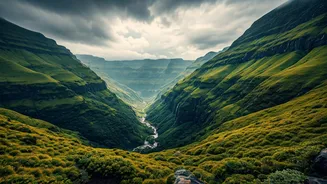
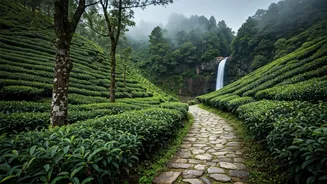
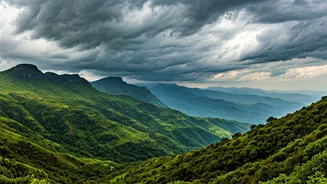
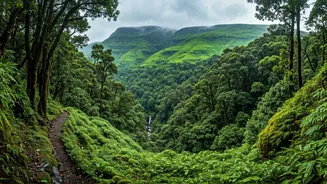
Older than the Himalayas, the Western Ghats mountain range is a UNESCO World Heritage Site recognized for its staggering biodiversity. This lush corridor, stretching down India's west coast, is a haven for eco-conscious travelers. In regions like Coorg in Karnataka or Wayanad in Kerala, sustainable agriculture and tourism go hand-in-hand. You can stay in boutique eco-lodges nestled within coffee or spice plantations, where the air is fragrant with the scent of pepper, cardamom, and vanilla. Guided nature walks introduce you to a stunning array of birdlife, butterflies, and the occasional elephant herd. This isn't about ticking off sights; it's about connecting with a vibrant ecosystem and supporting a model of tourism that values nature above all else.
The Andamans: An Oceanic Paradise
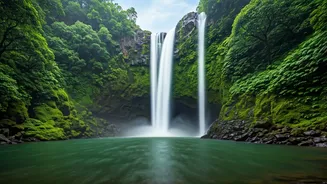
Far from the mainland, the Andaman and Nicobar Islands are India’s tropical paradise, an archipelago of over 300 islands in the Bay of Bengal. With pristine coral reefs, white-sand beaches, and dense rainforests, the islands have long been a destination for divers and beach lovers. Recognizing the fragility of this ecosystem, authorities have implemented strict environmental protections. Many islands are off-limits to tourists to protect indigenous tribes and preserve their unique way of life. For visitors, the focus is on low-impact activities. You can snorkel or dive in protected marine parks, kayak through mangrove forests, or hike to hidden waterfalls. The remoteness of the Andamans has helped shield them from overdevelopment, making them a true escape for those seeking untouched natural beauty.