



Go Beyond the 'High for the Day'
The single most common mistake is looking only at the daily high temperature. Your body doesn't experience an average; it experiences the moment. That 85-degree day might feel wonderful at 10 a.m. but becomes dangerous by 2 p.m. when the heat index—a
combination of temperature and humidity—creeps into the high 90s. The National Weather Service provides heat index charts for a reason: when it's high, your body can't cool itself effectively, leading to heat exhaustion or, worse, heatstroke. The same logic applies in the cold. A 35-degree day sounds manageable, but with a stiff breeze, the wind chill could make it feel like 20 degrees, dramatically increasing the risk of frostbite and hypothermia. Always check the hourly forecast and pay attention to the “feels like” temperature, which is the number that truly matters for dressing and planning your exposure.
Add the Air Quality Index (AQI)
The weather filter of the 2020s must include air quality. Wildfire smoke, once a regional West Coast issue, is now a national concern, capable of blanketing cities thousands of miles away in a hazardous haze. The Air Quality Index (AQI) measures pollutants in the air, including the fine particulate matter (PM2.5) from smoke that is most harmful to your lungs. An AQI over 100 is considered “Unhealthy for Sensitive Groups,” and anything over 150 is unhealthy for everyone. Exerting yourself outdoors—like on a run or a strenuous hike—when the AQI is high is like asking for respiratory trouble. Most standard weather apps now include the AQI, or you can use dedicated government sites like AirNow.gov. If the air is bad, your long-awaited hike should become an indoor workout.
Master the Radar and Precipitation Chance
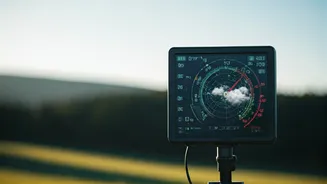
Many people see a “40% chance of rain” and either cancel their plans or ignore the warning entirely. Neither is the right approach. That percentage needs context. Is it a 40% chance of a brief, scattered shower in the afternoon, or a 40% chance of a widespread, slow-moving system arriving at the exact time of your picnic? This is where digging into the hourly forecast and looking at a live weather radar map becomes essential. The radar shows you exactly where precipitation is, how intense it is, and which way it's moving. You can see if a storm is forming nearby or if you have a clear two-hour window for your bike ride. This level of detail allows you to be nimble, perhaps shifting your park meetup by an hour to avoid a downpour, rather than canceling outright.
Don't Underestimate Wind and Lightning
Two of the most overlooked weather threats are wind and lightning. High wind warnings are not just for mariners. For hikers, strong gusts can create dangerous conditions on exposed ridges and increase the risk of falling trees or branches, a phenomenon known as “widowmakers.” For beachgoers or boaters, wind can whip up dangerous waves and currents in minutes. Lightning is even more insidious. You don't have to be directly under a black cloud to be at risk; lightning can strike more than 10 miles away from its parent storm, in areas where the sun may still be shining. This is why the rule “When thunder roars, go indoors” is so critical. If you can hear thunder, you are close enough to be struck. Check for thunderstorm watches and warnings before you head out, especially for activities in open areas like golf courses, fields, or on the water.