
Why Rigid Schedules Fail
The first piece of advice for the anxious new plant parent is this: throw away the idea of a strict, clockwork watering schedule. The well-meaning advice to 'water once a week' is what sends countless potted herbs and flowers to an early grave. An urban
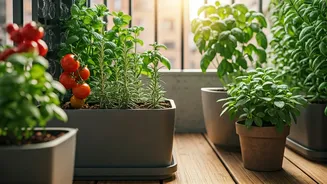
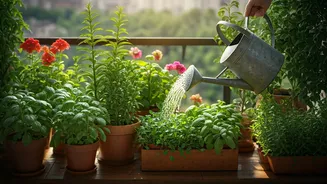
garden, whether it's on a windowsill, balcony, or fire escape, is a dynamic environment. The amount of water a plant needs fluctuates wildly based on a few key factors: sunlight, temperature, humidity, pot size, and even the pot's material. A plant in a porous terracotta pot on a sunny, 90-degree day might need water daily, while the same plant in a plastic pot during a cool, cloudy week might be fine for ten days. A rigid schedule can't account for this variability. It forces you to ignore the most important factor—the plant's actual needs—and often leads to the silent killer of most container gardens: over-watering.
The Only 'Tool' You Really Need
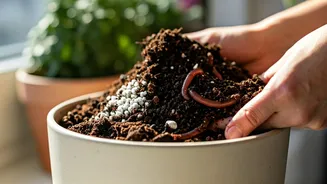
Instead of an app or a calendar, your most reliable watering tool is at the end of your arm. The 'finger test' is the single most effective, foolproof method for determining if a plant needs water. It's simple, free, and takes five seconds. Gently insert your index finger into the soil up to your second knuckle, about two inches deep. Don't just poke the surface, as the top layer of soil dries out fastest and can be misleading. Once your finger is in the soil, assess the situation. Is the soil cool and moist, with particles sticking to your finger? The plant has plenty of water; leave it alone. Is the soil completely dry and dusty? It's time to water. Is it somewhere in between—cool but not wet? You can probably wait another day or two, but check again tomorrow. This simple, tactile check connects you directly to your plant's environment and completely removes the guesswork.
Learn Your Plant's Language
While the finger test is your primary guide, plants also give visual cues about their thirst. Learning to read them will boost your confidence. The most obvious sign of an under-watered plant is wilting. Leaves will look droopy, sad, and soft. If you wait too long, they may start to feel crispy at the edges. Conversely, the signs of over-watering are often more subtle and more deadly. The most common sign is yellowing leaves, especially lower ones. The soil might develop a layer of green moss or algae, and you may notice small, pesky fungus gnats flying around the pot—they love consistently soggy soil. If the base of the stem feels soft or mushy, root rot has likely set in, which is very difficult to reverse. The golden rule is that it's almost always easier to save a plant that's a little too dry than one that's been consistently waterlogged.
The Art of a Deep Soak
When the finger test confirms it's time to water, the next step is to do it correctly. Avoid the temptation of giving the plant a small, polite splash every day. This encourages shallow, weak root systems that stay near the surface. Instead, you want to water deeply and thoroughly. Take your pot to a sink or use a large saucer and slowly pour water over the entire soil surface until you see a generous amount running out of the drainage holes at the bottom. This ensures the entire root ball is saturated. Once it has drained completely, you're done. Do not let the pot sit in a saucer full of water for hours, as this will suffocate the roots. The goal is a cycle of deep soaking followed by a period of drying out. This technique encourages roots to grow deep and strong in search of moisture, creating a more resilient plant.
A Flexible Starting 'Schedule'
If you still crave the security of a schedule, create a 'checking schedule' instead of a 'watering schedule.' Commit to performing the finger test on a regular basis. For most indoor or balcony plants, checking every 2-4 days in the spring and summer is a great starting point. In the fall and winter, when light is lower and plants are growing less, you might stretch that to every 5-10 days. For tiny pots or extremely sun-drenched locations, a daily check might be necessary. The point isn't to water on these days, but to check. Over time, you'll develop an intuitive sense of how often each of your plants needs a drink, transforming your anxiety into a quiet, rewarding expertise.