





More Than Just a Meal
Let’s be honest: when you think of comfort food, you’re probably not picturing a salad. You’re thinking of a bubbling dish of mac and cheese, a hearty lasagna, or a crispy piece of fried chicken. These are foods tied to memory and emotion, offering a sense
of security in a chaotic world. For years, the prevailing wellness narrative painted these dishes as 'guilty pleasures'—things to be earned or avoided. But our relationship with food is changing. We’re moving past the all-or-nothing mindset of restrictive dieting and embracing a more holistic view of health, one where satisfaction and nourishment coexist. This isn't about deprivation; it's about enhancement. The new wave of comfort cooking isn't trying to trick you into eating your vegetables; it’s using them to make your favorite dishes even better.
Rethinking the Classics
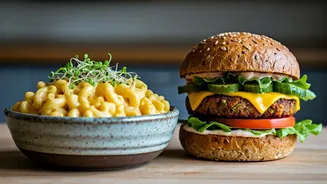
The secret to modern comfort food isn’t about eliminating what you love. It’s about being clever with additions and substitutions. The goal is to 'crowd out' the less nutritious elements by 'crowding in' more beneficial ones, all without sacrificing the soul of the dish. A creamy pasta sauce doesn't have to rely solely on heavy cream and butter when pureed butternut squash or cauliflower can provide a similarly velvety texture, plus a boost of fiber and vitamins. A rich, meaty chili can get its depth from a mix of lean ground turkey and hearty lentils or mushrooms, reducing saturated fat while adding complex flavor. This approach honors the spirit of the original recipe. The dish still needs to deliver that familiar, satisfying feeling. It’s a cheeseburger that uses a leaner grind of beef or a plant-based patty on a whole-grain bun with all the fixings. It’s still a cheeseburger, just a smarter one.
Smart Swaps for Big Flavor
Making comfort food healthier often comes down to a few key ingredient swaps that pack a nutritional punch without compromising on taste. One of the easiest places to start is with sauces and bases. As mentioned, blending roasted vegetables like sweet potatoes, carrots, or squash into cheese or cream sauces adds natural sweetness and a silky texture. For baked goods, replacing some of the refined flour with whole wheat, almond, or oat flour can increase fiber. When it comes to sweeteners, options like maple syrup or date paste can sometimes stand in for white sugar, bringing their own nuanced flavors. In savory dishes, think about amping up herbs and spices—smoked paprika, cumin, and chili powder can create a sense of richness and depth that makes you forget you're using less salt or fat. Even something as simple as swapping sour cream for plain Greek yogurt gives you a similar tangy creaminess with a significant protein boost.
Mastering Modern Methods
It’s not just *what* you cook, but *how* you cook it. Technology and technique are playing a huge role in this comfort food renaissance. The undisputed star of the modern kitchen is the air fryer. It uses super-heated, circulating air to achieve a crispy, 'fried' texture on everything from chicken wings to French fries with a fraction of the oil used in deep frying. It’s the key to unlocking crunchy satisfaction without the heaviness. Similarly, high-speed blenders have made it incredibly easy to create silky, plant-based cream sauces from cashews or vegetables. The Instant Pot and other multi-cookers allow for a 'set it and forget it' approach to stews, braises, and chilis, tenderizing tougher (and often leaner) cuts of meat and infusing deep flavor into beans and legumes without hours of simmering on the stove.
Comfort on Aisle Five
This trend isn’t just for home cooks. Food manufacturers and restaurants have taken notice. Stroll through any grocery store and you’ll see the evidence. Pizza crusts made from cauliflower, pasta made from chickpeas, and ice cream made from avocados or oat milk are no longer niche items. Fast-casual chains are offering hearty grain bowls and roasted vegetable sides alongside their traditional offerings. Even classic comfort food brands are reformulating their products with less sodium, more whole grains, and cleaner ingredient lists. It’s a market-driven acknowledgment of a fundamental shift in consumer demand: we want the foods we grew up with, but updated for our modern, health-conscious lives.