





A British Ghost in the Mountains
To understand Shimla’s appeal, you first have to understand its strange and singular history. Nestled over 7,000 feet above sea level, this unassuming town became the official summer capital of British India in 1864. For months every year, the entire
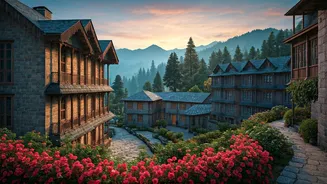
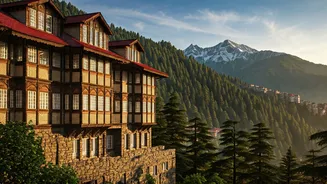
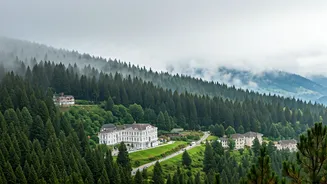
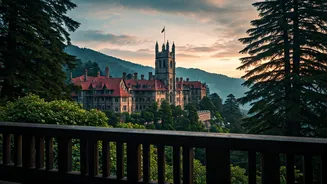
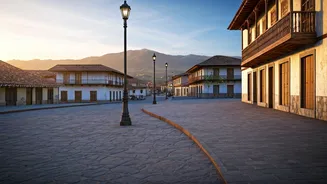
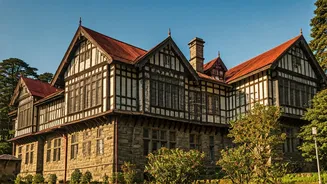
colonial administration would decamp from the sweltering heat of Delhi and Kolkata to this cool mountain refuge. To make themselves feel at home, they rebuilt the town in their own image. The result is a surreal slice of England dropped into the Himalayas. You’ll find neo-gothic churches with stained-glass windows, Tudor-style cottages with gabled roofs, and grand administrative buildings that wouldn't look out of place in London. Landmark structures like the Viceregal Lodge, where crucial decisions about India's future were made, and the whimsical Gaiety Theatre, still stand as powerful testaments to this era.
The Perfect Instagram Backdrop
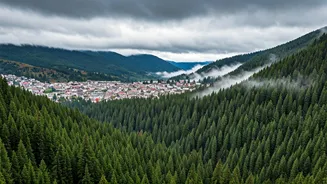
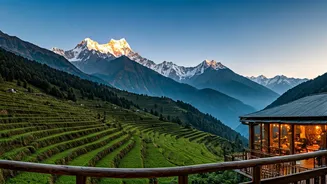
For a generation that documents life visually, Shimla is a content goldmine. The city’s core aesthetic feels tailor-made for a curated social media feed. Young travelers from across India flock here to capture a specific mood that’s impossible to find in the bustling, modern metropolises of Mumbai or Bangalore. Picture this: a stylishly dressed young person sipping coffee at a café overlooking misty valleys, with the spire of the 19th-century Christ Church in the background. Or a group of friends laughing as they stroll down the pedestrian-only Mall Road, framed by Victorian storefronts. The fog that frequently rolls in adds a layer of moody, atmospheric drama. This isn't just about taking a vacation; it's about crafting an identity online. The colonial architecture provides a ready-made, romantic, and slightly European backdrop that signals taste, worldliness, and a penchant for the nostalgic.
An Escape in Every Sense
The appeal, however, goes far beyond the screen. Shimla offers a genuine escape. The most famous thoroughfares, the Mall Road and the Ridge, are largely vehicle-free, forcing a slower, more deliberate pace of life. For young Indians often caught in the high-pressure environments of competitive exams and fast-paced city careers, the simple act of walking in the cool mountain air is a profound luxury. Unlike the sprawling, traffic-choked cities where they live, Shimla is compact, walkable, and quiet. The colonial layout, designed for promenades and leisurely strolls, encourages connection and conversation. Cafes, bakeries, and bookshops tucked into historic buildings become cozy havens for hours of relaxation. It’s a holistic experience—the cool climate is a relief from the heat, the quiet is a break from the noise, and the scenery is an antidote to urban monotony.
Reclaiming a Complicated Past
But what about the colonial baggage? It’s a fair question. These beautiful buildings were, after all, symbols of foreign occupation. Yet, for many young Indians today, that history feels distant. The political sting of colonialism has faded, leaving behind a purely aesthetic and historical curiosity. They see the architecture not as a symbol of oppression, but as heritage. The buildings are part of Shimla's unique identity, much like Mughal forts or ancient temples are in other parts of the country. By turning these colonial spaces into bustling hubs of modern Indian life—full of Indian-owned cafes, shops, and hotels—they are, in a sense, decolonizing them. The Viceregal Lodge is no longer a seat of imperial power but a fascinating historical museum. The Mall Road isn't a promenade for British officers, but a vibrant hangout for friends and families from all over India. They are appreciating the beauty while discarding the oppressive context, remixing the past to fit their present.