

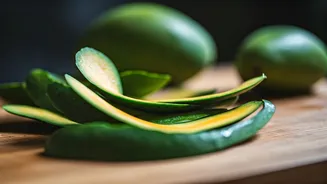


More Than Just a Side Dish
For decades, the American dinner plate followed a predictable formula: a protein, a starch, and a vegetable. The vegetable was often an afterthought—steamed, boiled, or otherwise relegated to a supporting role. That hierarchy is being dismantled. Chefs
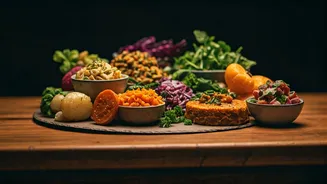
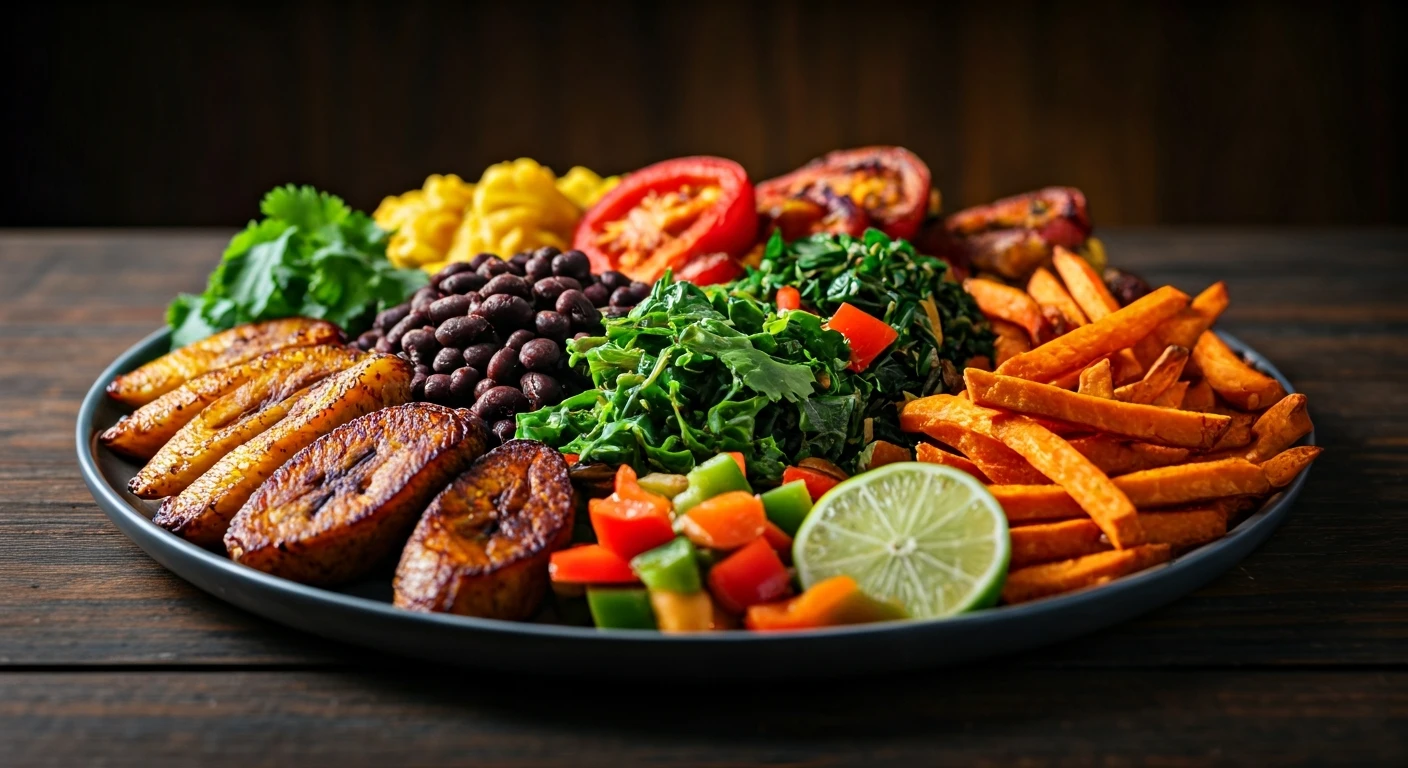
across the country are embracing a plant-forward philosophy, where grains, legumes, and vegetables aren't just accompaniments but the undisputed stars of the show. This isn't about eliminating meat but about re-centering the culinary narrative. Think of hearty mushroom and farro risotto that needs no chicken, or a whole roasted cabbage served with a rich, savory sauce that stands on its own. These dishes aren't defined by what they lack; they're celebrated for the complexity and depth they possess. The humble vegetable, once a culinary footnote, is finally getting its main-character moment.
A Revolution Driven by Flavor
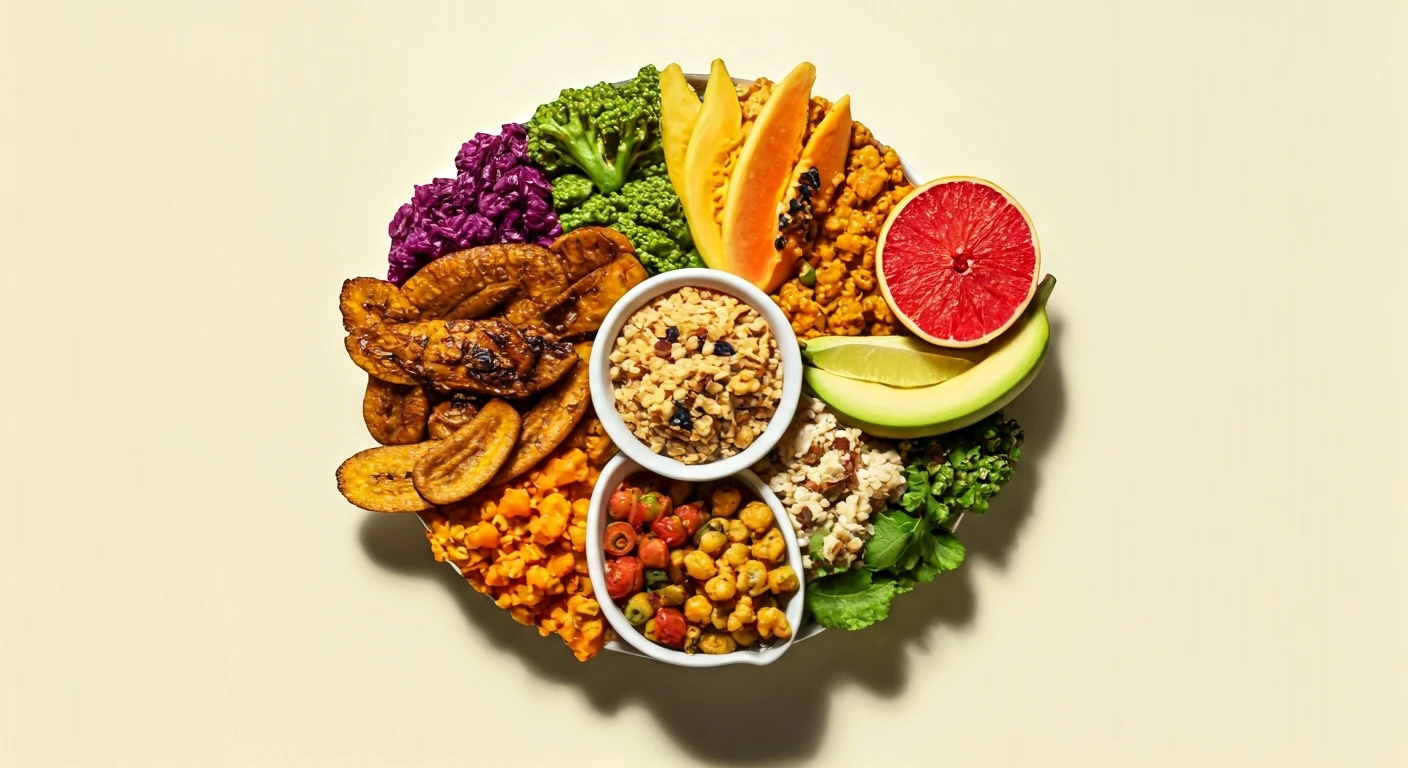
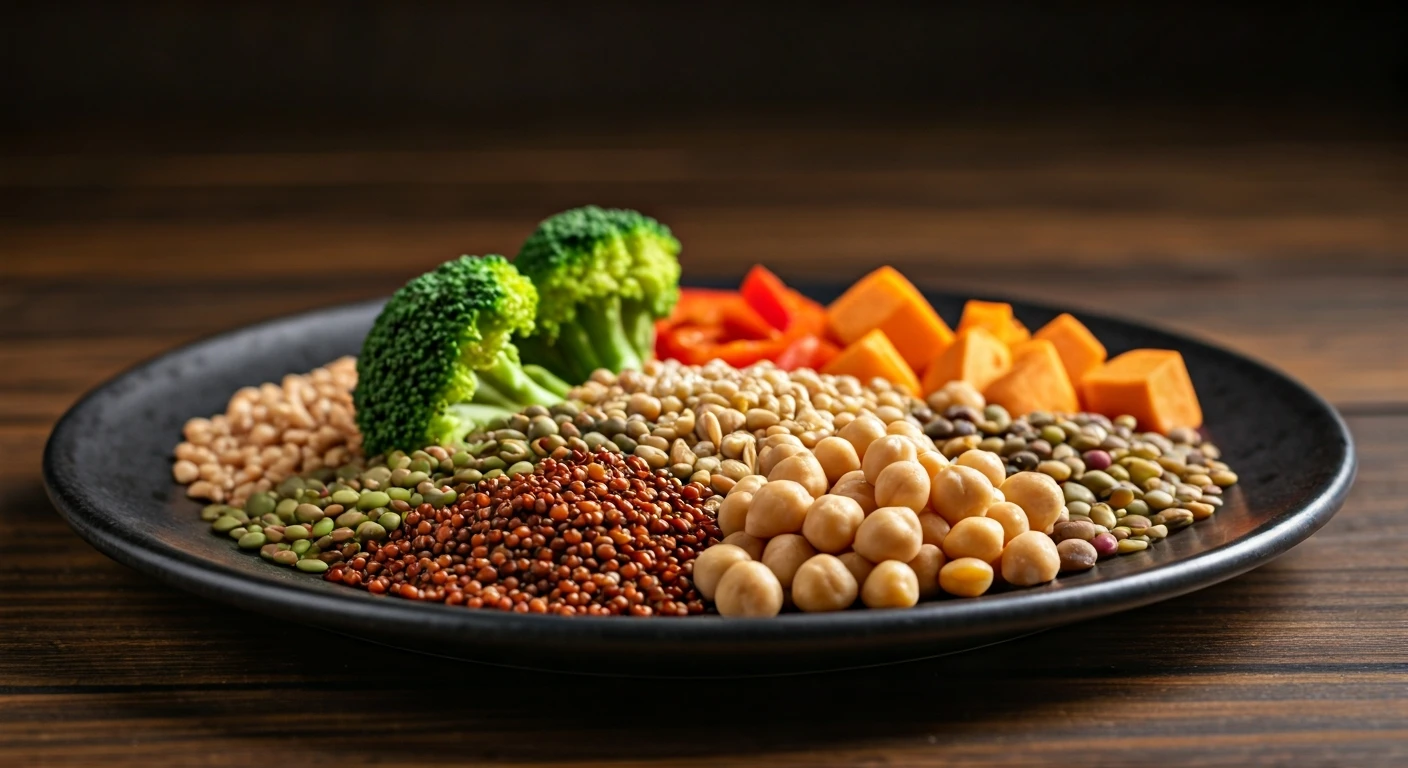
While health and sustainability are significant factors, the primary driver behind this shift is surprisingly simple: flavor. Chefs have unlocked a new universe of taste and texture by applying high-heat roasting, charring, grilling, and fermentation techniques to vegetables. A charred broccoli floret offers a smoky bitterness that plain steamed broccoli can't match. A slow-roasted carrot caramelizes, intensifying its natural sweetness into something profound. Legumes are being transformed from bland fillers into creamy, umami-rich bases for spreads, stews, and patties. Ancient grains like freekeh and sorghum provide a nutty, chewy texture that offers a satisfying alternative to refined starches. This is a creative renaissance. Cooks are realizing that the plant kingdom offers an enormous, relatively unexplored palette to create dishes that are just as satisfying, dynamic, and craveable as their meat-based counterparts.
What Diners Want, Diners Get
Restaurants are businesses, and this trend wouldn't exist without powerful consumer demand. The rise of the "flexitarian"—someone who eats a primarily plant-based diet but occasionally eats meat and fish—has reshaped the market. Diners, particularly Millennials and Gen Z, are more conscious than ever of the environmental and ethical implications of their food choices. They are actively seeking out menus that offer exciting, thoughtful, and delicious plant-based options. It's no longer enough to have a single, uninspired veggie burger or pasta primavera on the menu. Patrons now expect creativity and quality in plant-based cooking, and they reward the establishments that deliver it. This pressure has forced chefs to innovate, resulting in more diverse and interesting menus for everyone, regardless of their dietary preferences.
From Fine Dining to Your Kitchen
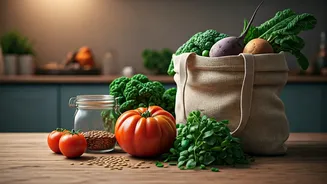
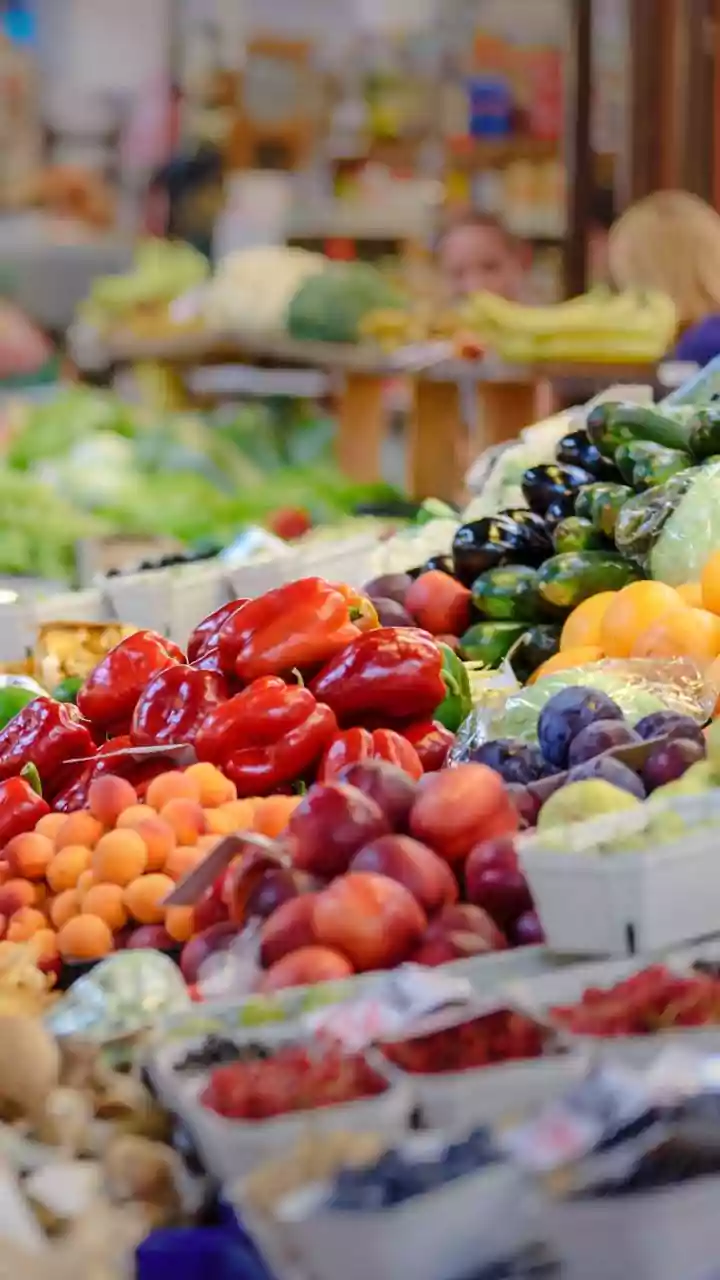
Like many culinary movements, this one started in fine dining, where chefs have the freedom to experiment. But it has rapidly trickled down to every corner of the food world. Fast-casual chains now prominently feature grain bowls and sophisticated salads. Your local grocery store's produce section has expanded, and the grain aisle now stocks everything from black quinoa to pearled barley. This accessibility has empowered home cooks to join the movement. Recipes for whole-roasted cauliflower and lentil shepherd's pie are staples on food blogs and in modern cookbooks. The message is clear: cooking with vegetables, grains, and legumes as the centerpiece isn't a compromise. It’s an opportunity to explore new flavors, textures, and techniques that can make your meals at home more exciting and delicious than ever.