





An Escape from the Expected
For decades, the global blueprint for a romantic getaway has been remarkably consistent: sun, sand, and sea. It’s a beautiful, but somewhat universal, script. Yet for many modern Indian couples, that script is feeling less like a dream and more like a cliché.
The move toward monsoon trekking isn't a rejection of beaches outright, but a search for a more personal and profound experience. It’s a deliberate choice to step away from the performative pressure of a perfect-looking vacation—the kind that populates Instagram feeds—and into an experience that feels authentic, private, and shared only between two people. The goal is no longer just a beautiful backdrop for photos, but a beautiful experience to remember.
The Deep Romance of the Monsoon
To understand this trend, you first have to understand the role of rain in Indian culture. In the West, rain often signifies gloom or an obstacle to plans. In India, especially after the long, scorching summer, the monsoon is a celebrated arrival. It represents relief, renewal, and life itself. For generations, this has been amplified by Bollywood, India’s powerhouse film industry. Countless iconic movie scenes have cemented the association between pouring rain and passionate romance. A shared umbrella, a dance in a downpour, a gaze through a rain-streaked window—these are the cinematic keystones of love. For a couple, choosing a monsoon trail is like stepping directly into one of these romantic narratives. The rain isn’t ruining the vacation; it *is* the vacation.
Intimacy Over Spectacle
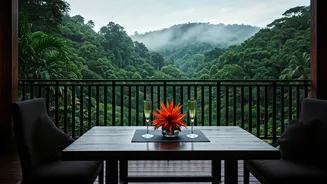
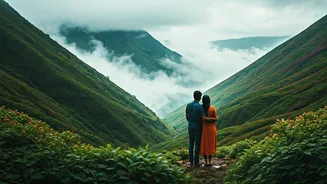
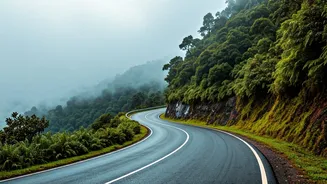
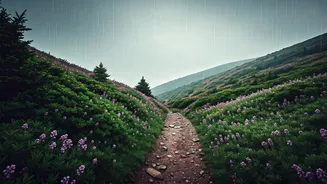
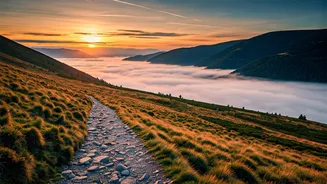
A crowded beach is a public space. It’s vibrant and energetic, but rarely private. A misty mountain trail, however, offers a sense of seclusion that is hard to find elsewhere. The fog obscures the view, creating a small, intimate world for just the two of you. The quiet is punctuated only by the sound of rain and your own footsteps. This environment fosters a different kind of connection. Instead of lying next to each other on separate lounge chairs, couples are navigating a path together, offering a hand on a slippery rock, and sharing the quiet triumph of reaching a scenic overlook shrouded in clouds. It’s an active, collaborative form of intimacy that feels more bonding than the passive relaxation of a beach resort.
A Full Sensory Experience
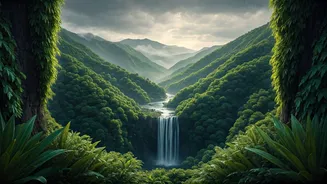
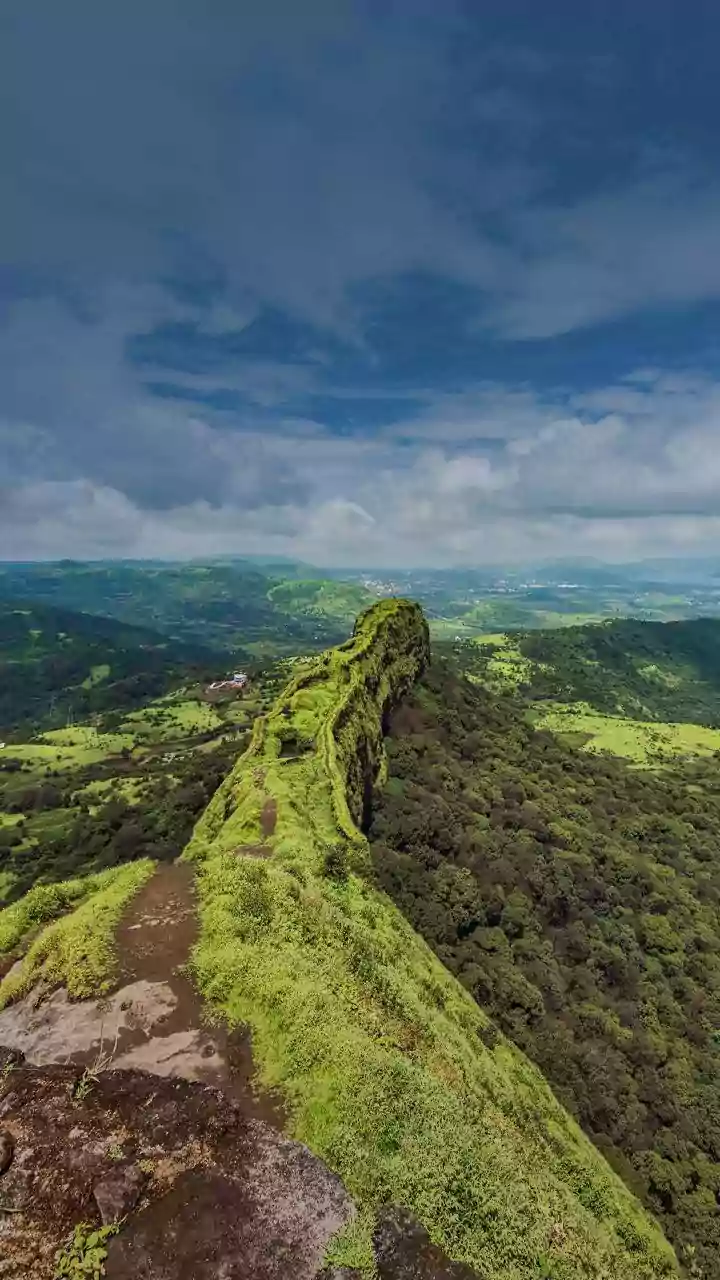
A monsoon trek is an appeal to all the senses. It’s not just about the visual beauty of lush, rain-washed greenery. It’s about the distinct, earthy smell of petrichor—the scent of rain hitting dry soil. It’s the feeling of cool mist on your skin, a welcome respite from India’s often oppressive heat. It’s the taste of hot, spiced chai from a small mountainside stall, which somehow tastes better when you’re slightly damp and chilled. This rich sensory landscape provides a powerful escape from the concrete, noise, and heat of urban life. It’s a form of therapy, a reset button for the mind and soul. While a beach engages the senses of sun and sound, the monsoon forest offers a more complex and enveloping experience.
The Practical Appeal
Beyond the romance and atmosphere, there are also practical advantages. The monsoon season, typically from June to September, is considered the off-season for many of India's popular hill stations. This means fewer tourists, less crowded trails, and often, lower prices for accommodation and travel. For young couples who may be balancing budgets after a costly wedding, this makes a romantic getaway more accessible. The relative solitude is not just a romantic bonus but a practical one, allowing for a more peaceful and personal trip without the peak-season surcharge. It’s a smart choice that feels like a discovery, not a compromise.