






Beyond the Restaurant Menu
While the headline’s claim of “dominating” all of India might be a stretch in a country with such staggering culinary diversity, it points to a profound truth: in millions of homes across states like Maharashtra, Andhra Pradesh, and Karnataka, this specific
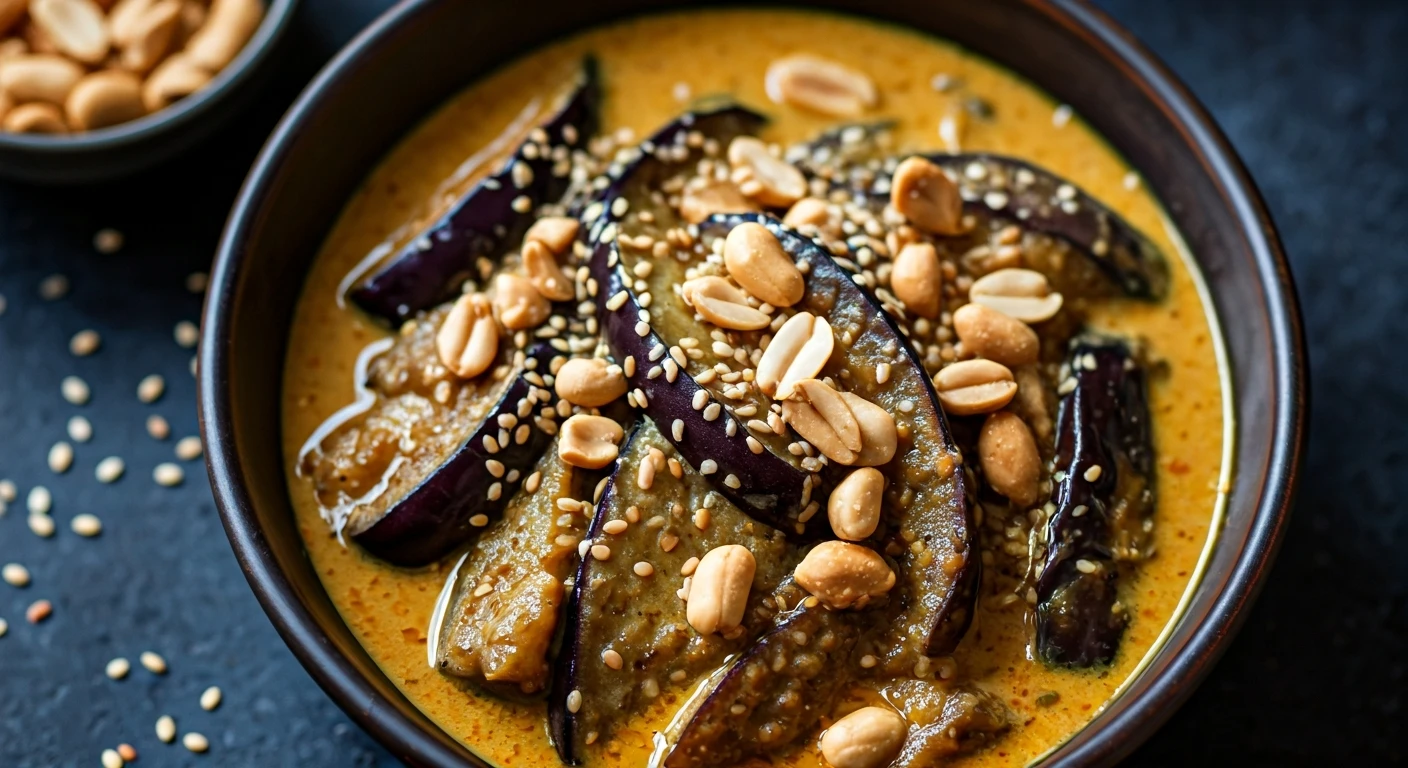
style of curry is the undisputed champion of comfort food. It’s a dish that rarely gets top billing in U.S. restaurants, which often lean on a handful of North Indian, Punjabi-style greatest hits. This curry isn’t for tourists; it’s for family. It’s the flavor of a Tuesday evening, the reliable, satisfying meal that punctuates the rhythm of a busy week. Known regionally by names like *Bharli Vangi*, *Gutti Vankaya Kura*, or *Ennegayi*, the core concept is the same: small, tender eggplants bathed in a thick, nutty, and complex gravy that hits every note on the flavor spectrum.
The Holy Trinity of Flavor
The genius of this dish lies in its foundational paste, or *masala*. This isn't just a random mix of spices; it's a masterclass in flavor architecture. First, you have roasted peanuts and sesame seeds, which are ground into a thick, nutty base. This duo provides a rich, creamy texture without any dairy, along with a deep, toasted flavor that’s worlds away from a simple cashew cream. To this, aromatics are added: dried coconut for sweetness and body, onions and garlic for pungent depth, and a carefully guarded blend of spices like coriander, cumin, and chilis for warmth and heat. A souring agent, often tangy tamarind or tart dried mango powder, cuts through the richness, while a touch of jaggery (unrefined cane sugar) balances everything out. When this complex paste is simmered, it creates a gravy that is simultaneously savory, sweet, sour, spicy, and deeply nutty—a perfect partner for the mild, earthy eggplant that soaks it all up.
A Tale of Three States
The beauty of this dish is how it wears different hats depending on its address. In Maharashtra, *Bharli Vangi* (stuffed eggplant) often features a goda masala, a regional spice blend with a distinct, smoky-sweet profile from ingredients like star anise and cassia buds. The resulting curry is dark, fragrant, and often served with jowar or bajra roti (sorghum or pearl millet flatbreads). Head south to Andhra Pradesh and Telangana, and you’ll find *Gutti Vankaya Kura*. Here, the flavor profile might lean spicier, with a more generous use of red chilis, and the gravy is often looser, perfect for mixing with mounds of steamed rice. In neighboring Karnataka, *Ennegayi* is the star. It shares the same peanut-sesame soul but might have a more pronounced tang from tamarind, reflecting the local palate. Each version is a fierce point of regional pride, a taste of a specific place, passed down through generations.
The Soul of a Weeknight Meal
At first glance, a dish with a multi-ingredient spice paste might not scream “quick weeknight dinner.” But that’s missing the genius of the Indian home kitchen. The secret is planning. The dry masala powder or wet paste is often made on a Sunday in a large batch, enough to last for a week or two. Stored in the refrigerator, it becomes a magical shortcut. On a busy weeknight, the cooking process is dramatically simplified: sauté the pre-made paste, add water and the eggplants, and let it simmer while you help with homework or set the table. This is what makes it a staple. It delivers a depth of flavor that tastes like hours of loving labor but can be brought to the table in under 45 minutes, thanks to a little weekend foresight. It’s the ultimate culinary life hack, delivering maximum comfort with manageable effort.