



More Than Just a Meal
For many Americans, Indian food conjures images of rich, creamy curries and buttery naan—delicious, but often seen as an indulgence. In India, however, a significant shift is underway, particularly among urban millennials and Gen Z. The new mantra is “food
as medicine.” This growing class of consumers is increasingly health-conscious, digitally savvy, and skeptical of processed foods. They aren't just counting calories; they're looking for functional benefits. They want to know if their lunch will boost their immunity, improve gut health, or provide sustained energy. This is not about dieting in the Western sense of restriction. Instead, it's a proactive, holistic approach to wellness where every meal is an opportunity to nourish the body.
Ancient Wisdom on a Modern Plate
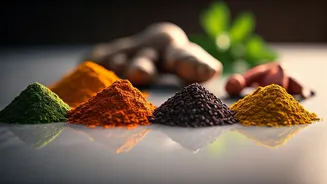
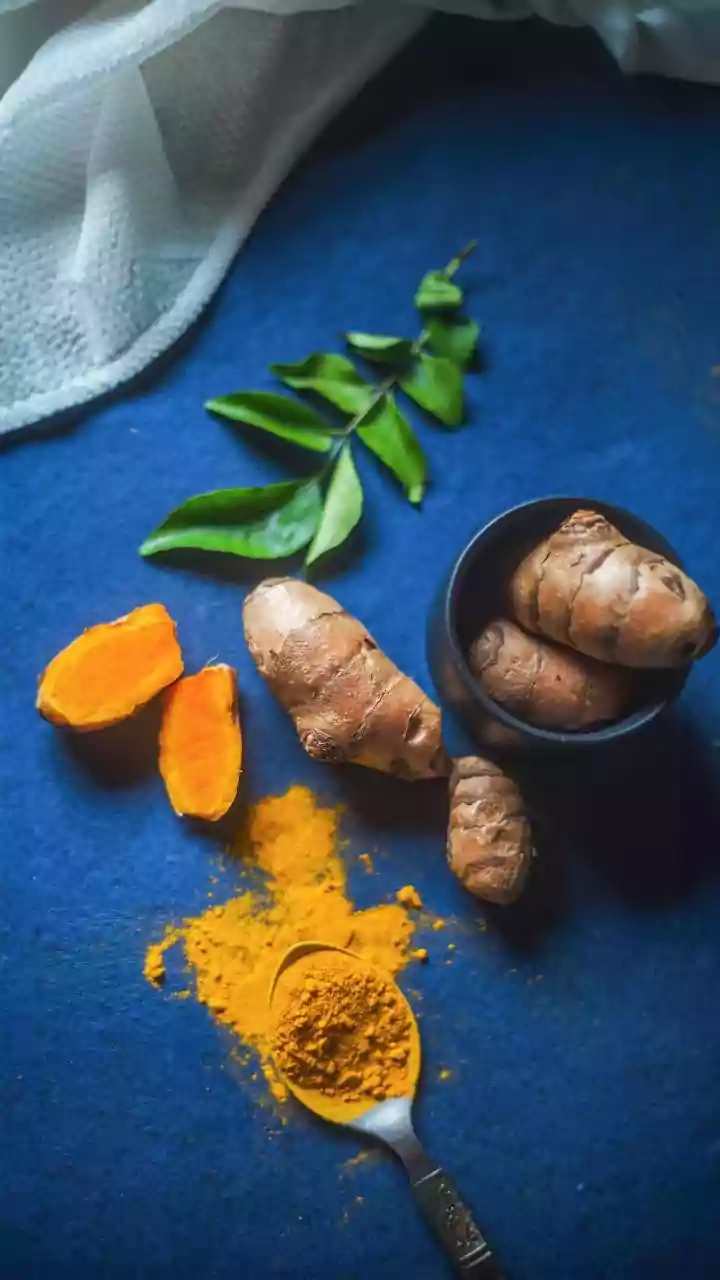
This trend isn't appearing out of thin air. It’s a modern reinterpretation of ancient Indian traditions, most notably Ayurveda. For centuries, Ayurveda has taught that food is a primary tool for maintaining balance and preventing illness. Concepts like eating seasonally, using specific spices to aid digestion (like turmeric and ginger), and understanding one’s own body type (dosha) are central to the practice. What’s new is how this ancient wisdom is being packaged and presented. Today’s wellness-focused Indian brands and restaurants are grounding these principles in modern nutritional science. They’re replacing spiritual jargon with clear, evidence-backed language about antioxidants, anti-inflammatory properties, and micronutrients, making ancient practices palatable for a skeptical, data-driven generation.
The Return of the Millets
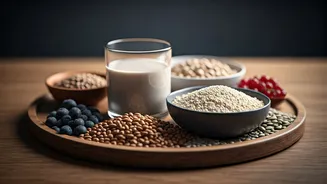
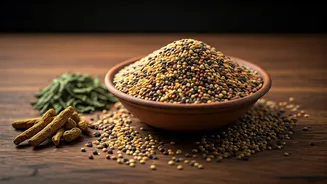
So, what does this food actually look like? A key part of the movement is the revival of indigenous grains, especially millets like ragi (finger millet), jowar (sorghum), and bajra (pearl millet). For decades, these were considered rural or “poor man’s food,” overshadowed by government-subsidized wheat and rice. Now, they are being celebrated as homegrown superfoods. Naturally gluten-free, high in fiber, and packed with protein and minerals, millets are a perfect answer to the modern diner’s demands. You’ll now find them everywhere: in fluffy ragi pancakes for breakfast, in jowar-based pizza crusts, and as a substitute for rice in modern takes on the traditional thali. It’s a powerful reclaiming of agricultural heritage, driven by contemporary wellness goals.
Startups Serving Up Health
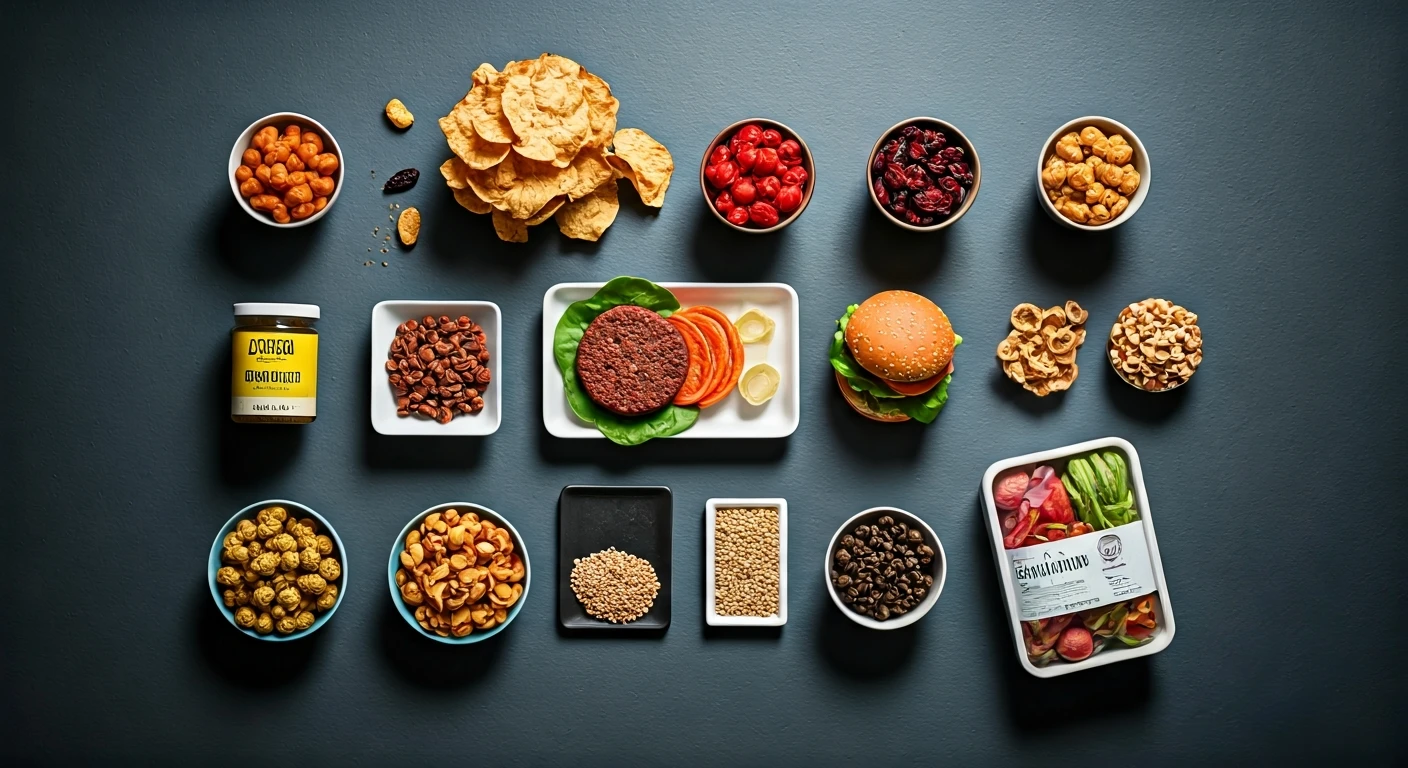
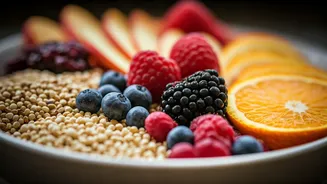
Where there's a consumer trend, business isn't far behind. A vibrant ecosystem of food startups has emerged across India to cater to this demand. Meal subscription services deliver perfectly portioned, macro-counted meals to busy office workers. Health cafes in cities like Mumbai and Bangalore offer menus filled with quinoa upma, smoothie bowls with ashwagandha (an adaptogenic herb), and cold-pressed juices featuring amla (Indian gooseberry). Packaged food companies are launching everything from millet-based cereals to turmeric-infused lattes. These businesses are not just selling food; they are selling a promise of a better, healthier, and more mindful lifestyle, and they've found a large and eager audience ready to invest in their well-being.