


The Rise of 'Just Right' Adventure
First, let’s define our terms. ‘Soft adventure’ is for the traveler who wants to do more than just work on their tan but isn't necessarily looking to scale a cliff face before breakfast. It’s about active, immersive experiences in nature that don’t require
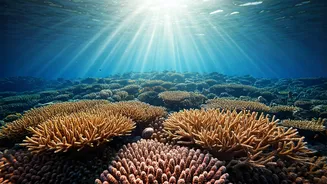
elite fitness or specialized gear. Think guided kayaking through serene mangrove forests, snorkeling over vibrant coral reefs in calm waters, or hiking a well-marked trail to a hidden waterfall. It’s adventure, but with a lower barrier to entry and a higher emphasis on enjoyment and scenery over adrenaline and exertion. This style of travel has exploded as people seek meaningful escapes that are both restorative and engaging, moving beyond the exhausted all-inclusive model without committing to a full-on survivalist expedition.
Welcome to the Andaman Islands
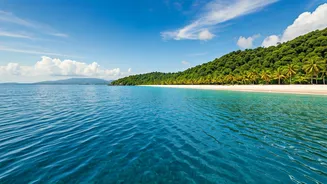
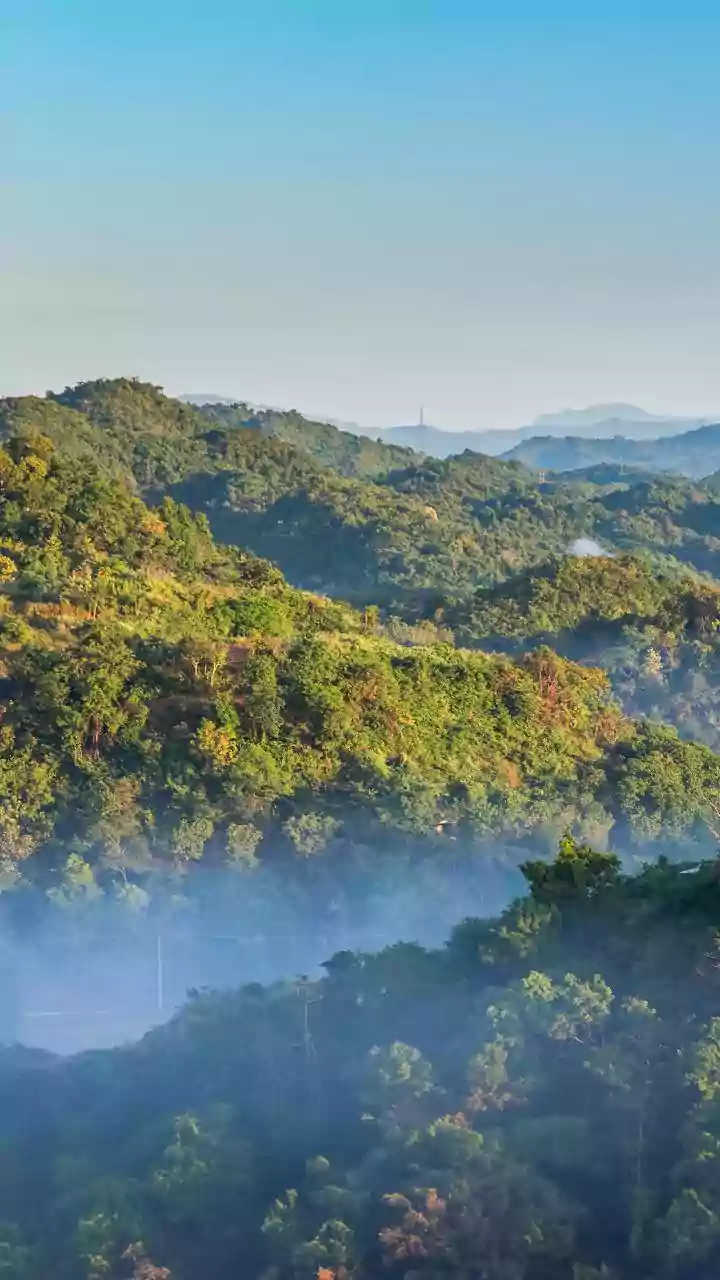
So, where are the Andamans? Picture a string of over 500 islands sprinkled in the Bay of Bengal between India and Myanmar. Politically part of India but geographically closer to Southeast Asia, this archipelago is a world away from the chaotic energy of mainland cities. For decades, it was largely off the tourist map, known more for its colonial-era history and protected indigenous tribes. But today, its stunning natural beauty and lack of overdevelopment are precisely what make it so appealing. The main entry point is Port Blair, accessible by flight from Indian hubs like Chennai and Kolkata. From there, ferries shuttle travelers to idyllic islands like Swaraj Dweep (formerly Havelock Island) and Shaheed Dweep (formerly Neil Island), the twin centers of the islands’ nascent tourism scene.
Your Adventure Menu: Wild and Welcoming
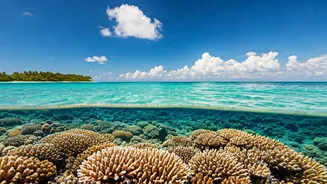
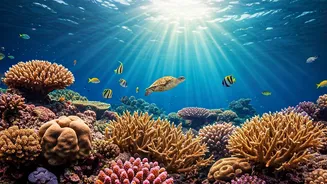
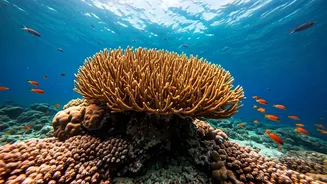
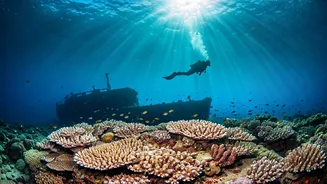
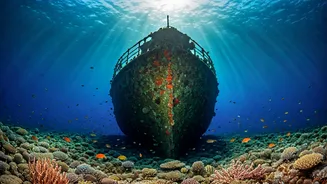
The Andamans deliver the soft adventure promise in spades. The top activity is exploring the underwater world. The reefs here are some of the most pristine in the region, teeming with life. You don’t need a scuba certification; a simple mask and snorkel at a spot like Elephant Beach will reveal a kaleidoscope of colorful fish. Kayaking is another highlight, particularly through the dense, silent mangrove creeks, where you’re completely enveloped by nature. On land, you can rent a scooter to explore the quiet roads of Swaraj Dweep, stopping at jungle-fringed coves and local eateries. The activities feel integrated with the environment, not imposed upon it, offering a sense of discovery that feels both genuine and accessible.
The Luxury of Unplugging
In a world of constant connectivity, one of the Andamans’ greatest luxuries is its relative lack of it. While connectivity is improving, Wi-Fi is often slow and unreliable, and cell service can be patchy outside of main towns. For the soft adventure seeker, this isn’t a bug; it’s a feature. It’s a forced digital detox that encourages you to be present—to watch the sunset without feeling the need to post it, to talk to your fellow travelers, or to simply read a book in a hammock. This environment stands in stark contrast to other Asian hotspots that can feel hyper-commercialized and saturated with tourist traps. The Andamans offer a rawer, more authentic connection to place.
A Masterclass in Mindful Travel
Visiting the Andamans also comes with a responsibility. The islands are home to some of the world’s last uncontacted and protected indigenous peoples, including the Sentinelese. Strict laws prohibit any form of contact or intrusion into their territories, which are off-limits to all visitors. This isn’t a theme park; it’s a living, breathing ecosystem with a fragile cultural heritage. Respecting these rules is non-negotiable. This focus on preservation makes it a destination for the conscious traveler—someone who understands that the privilege of visiting such an untouched place comes with the duty to help keep it that way. The recent renaming of several islands by the Indian government is another layer, reflecting a move to reclaim local and national identity over colonial legacies.