








The Modern Cure for Cabin Fever
When we think of marathons, we picture crowded city streets and outdoor finish lines. But a new kind of endurance event is thriving indoors, powered by technology. A virtual group indoor cycling marathon is a long-distance ride—often ranging from 25 miles
to a full 100-mile “century”—completed on a stationary bike alongside hundreds or thousands of other riders from around the world. Platforms like Zwift and Peloton transform a solitary workout into a dynamic group event. You’re not just spinning your wheels in the basement; you’re climbing digital mountains in the Swiss Alps, drafting behind riders from Japan, and chasing a shared goal. These aren't just extended workout classes; they are structured events with start times, digital jerseys, and a palpable sense of shared purpose that lasts for hours, providing a powerful antidote to the lethargy of a gloomy, rainy day.
More Than Just an Endorphin Rush
The power of these events to combat the “rainy day blues” comes from a potent psychological cocktail. First, there's the obvious benefit of exercise. Sustained, vigorous activity releases endorphins, the body’s natural mood elevators, providing a powerful lift. But it goes deeper. Tackling a multi-hour ride provides a clear, challenging goal, replacing feelings of aimlessness with a strong sense of purpose. Every pedal stroke is progress. Second, there's the social element. Seeing other riders’ avatars on screen, joining a group chat, or riding with a team creates a profound sense of community and accountability. You’re all in it together, battling the same virtual hills. This shared struggle combats the isolation that often accompanies being stuck indoors. Finally, the feeling of accomplishment upon completing a virtual marathon is immense. You didn't just pass the time; you conquered a significant physical and mental challenge, turning a write-off day into a memorable victory.
Gearing Up for Your First Ride
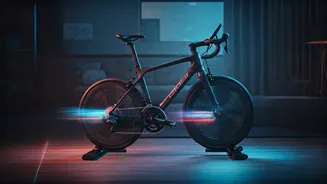
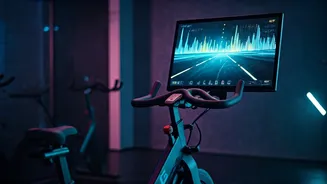
Getting started is more accessible than you might think. The core requirement is a bike and a screen. At the most basic level, any stationary bike or outdoor bike mounted on a simple “dumb” trainer will work. For a more immersive experience, a “smart” trainer automatically adjusts resistance to mimic hills and drafts, while a dedicated smart bike like a Peloton or Wahoo KICKR Bike offers a seamless, all-in-one solution. Your screen can be anything from a smartphone to a tablet or a large-screen TV for maximum immersion. The final piece is a subscription to a virtual cycling platform. Each offers a different flavor of community and content, so it’s worth exploring a few with free trials to see which one clicks with your style. Don’t feel you need the most expensive gear; the goal is to get moving, and a simple setup is more than enough to join the fun.
Finding Your Virtual Start Line
Once you’re set up, finding an event is easy. Zwift is famous for its massive group rides and “Fondo” events—non-competitive, long-distance rides that attract thousands. Their event calendar is always packed with options for all time zones and ability levels. Peloton takes a different approach, often building community energy around extra-long themed rides with popular instructors or their annual “All for One” events where instructors tag-team a single class. Beyond the major platforms, many online cycling communities and real-world clubs host their own virtual endurance challenges. A quick search on Facebook or Reddit for virtual cycling groups will reveal a vibrant subculture of enthusiasts organizing everything from casual weekend long rides to hardcore 24-hour charity events. The key is to find a community that feels welcoming and an event that sounds exciting to you.