







Beyond the Basic Stroll
A walking challenge isn't just about aimlessly wandering your neighborhood. It’s the simple act of walking transformed by a specific goal, structure, and a clear finish line. Think of it as putting a narrative wrapper around your daily steps. Challenges
can be as straightforward as hitting 10,000 steps every day for a month, or more elaborate, like participating in a virtual journey that tracks your cumulative distance along a famous route, like Route 66 or the Appalachian Trail. The goal provides a target, turning a mundane activity into a mission. This simple reframing helps bypass the mental hurdles that often come with traditional exercise, like feeling overwhelmed or directionless.
The Psychology of the Win
The secret ingredient that makes walking challenges so effective is basic human psychology. We are wired to respond to goals, progress, and rewards—a concept known as gamification. When your fitness app notifies you that you’ve hit a new streak or earned a digital badge for walking five days in a row, it triggers a small dopamine hit in your brain. This positive reinforcement makes you want to repeat the behavior. Challenges break down a large, intimidating goal (like 'becoming healthier') into small, achievable daily wins. Each completed walk feels like a success, building momentum and self-efficacy. Instead of focusing on the distant outcome of weight loss or better cardio health, you’re focused on the immediate satisfaction of checking off today's task.
Finding Your Perfect Pace
Not all challenges are created equal, and the best one for you depends on your personality and lifestyle. If you're driven by data and personal achievement, a solo challenge using a fitness tracker like a Fitbit or Apple Watch might be perfect. You can set personal goals for distance, pace, or consistency and compete only against yourself. If you thrive on social connection and accountability, a group challenge is a fantastic option. You can start a simple text thread with friends where you all commit to a daily walk, or join a formal challenge through an app where you can see each other's progress on a leaderboard. There are also themed challenges, which can add an extra layer of fun, such as photo-a-day walking challenges or scavenger hunts that get you exploring new parts of your city.
Social Steps and Solo Journeys
The community aspect is often a game-changer. Knowing your friends or family are expecting you to log your miles adds a layer of positive social pressure that makes it harder to skip a day. Sharing your progress, celebrating milestones together, and even engaging in a little friendly competition can be incredibly motivating. Apps like Strava or dedicated walking challenge platforms like The Conqueror Virtual Challenges build a sense of shared purpose. However, the beauty of walking is that it can also be a profound solo activity. For those who need time to decompress, listen to a podcast, or simply be alone with their thoughts, a personal walking challenge offers all the benefits of structure without the social obligations. It’s a flexible form of fitness that meets you where you are.
How to Get Started Today
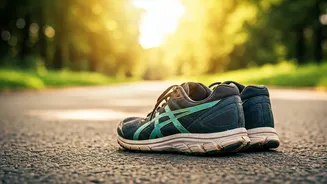
Starting is the easiest part. First, define a simple, realistic goal. Don’t jump from zero to 15,000 steps a day. Maybe your goal is to walk for 20 minutes, three times a week. Or perhaps it’s to hit 5,000 steps every day for two weeks. Second, decide on your format. Will you go solo with your phone's built-in health app, or will you invite a coworker to a friendly steps competition? Third, just do it. Put on your shoes and take that first walk. The key is to remove as much friction as possible. Don't overthink the gear, the route, or the time of day. The simple act of starting and completing one walk is the first victory in your new challenge.