






Meet Jamun, Summer’s Purple Gem
If you’ve never heard of jamun, you’re not alone—but you’re missing out. Known in the U.S. as Java plum or black plum, jamun is a small, oblong fruit that grows on evergreen trees across South and Southeast Asia. When ripe, it transforms from green to
a stunning, deep purple-black, staining everything it touches with its vibrant juice. The flavor is a complex journey: it starts with an intense sweetness that quickly gives way to a pleasant tartness and a subtle, astringent finish that makes your mouth pucker in the best possible way. It’s this unique sweet-tart-astringent combination that makes jamun so memorable and addictive. Think of it as a cross between a tart blackberry and a wild plum, but with a character all its own.
A Taste of Nostalgia
In India and neighboring countries, the arrival of jamun signals the peak of summer. It’s not just a fruit; it’s a cultural touchstone. It’s the taste of school holidays, sold by street vendors in paper cones sprinkled with salt and spices to balance the sweetness. It’s the childhood memory of climbing trees and coming down with purple-stained hands, lips, and tongues—a temporary tattoo of summer indulgence. This deep-seated nostalgia is part of what makes the fruit so cherished. But its season is notoriously short, lasting just a few weeks from late May through August. This fleeting availability makes every bite feel special and urges you to enjoy it while you can, which is why capturing its essence in a recipe is such a treasured tradition.
The Perfect Dairy-Free Base
While traditional Indian yogurt (dahi) is a natural pairing for fruit, a dairy-free version makes this treat accessible to everyone and brings its own unique advantages. We’re using full-fat coconut yogurt as our base. Its rich creaminess provides the perfect counterbalance to jamun’s astringency, softening its sharper edges without erasing its bold character. Unlike almond or soy yogurts, which can be icier when frozen, coconut yogurt’s high fat content ensures a smoother, more scoopable texture reminiscent of traditional ice cream. A touch of maple syrup or agave enhances the fruit’s natural sweetness, while a squeeze of lime juice brightens all the flavors, making each bite pop.
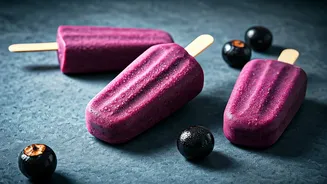
The Recipe: Dairy-Free Jamun Yogurt Pops
This recipe is simple, requiring just a few ingredients and a blender. The hardest part is finding fresh or frozen jamun, which are often available at Indian or Asian grocery stores during the summer months. If using fresh, be sure to de-seed them first!
Yields: 6-8 pops
Prep time: 15 minutes
Freeze time: 4-6 hours
Ingredients:
* 1 ½ cups fresh or frozen pitted jamun
* 2 cups full-fat, unsweetened coconut yogurt
* ¼ cup maple syrup or agave nectar (adjust to taste)
* 1 tablespoon fresh lime juice
* A tiny pinch of salt
* Optional: ¼ teaspoon black salt (kala namak) for a traditional tangy flavor
Instructions:
1. Blend the Base: Combine the pitted jamun, coconut yogurt, maple syrup, lime juice, and salt in a high-speed blender. If you’re feeling adventurous, add the black salt now for an authentic tangy kick.
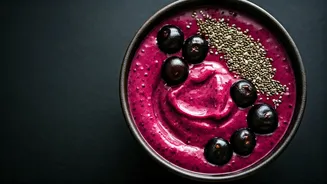
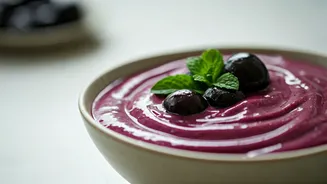
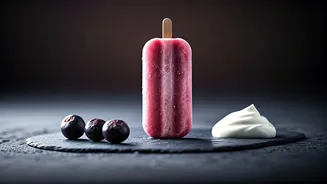
2. Process Until Smooth: Blend on high until the mixture is completely smooth and creamy. The color should be a gorgeous, vibrant lavender-purple. Taste and adjust sweetness if necessary—remember that flavors become duller when frozen, so it should taste slightly sweeter than you’d prefer to eat it as is.
3. Fill the Molds: Carefully pour the mixture into your popsicle molds, leaving a little space at the top for expansion. If you don’t have molds, you can use small paper cups.
4. Add Sticks and Freeze: Insert the popsicle sticks into the molds. If using paper cups, you can cover them with foil and poke the stick through the center to hold it in place. Place the molds on a level surface in your freezer.
5. Freeze Solid: Let the pops freeze for at least 4-6 hours, or until completely solid. To easily release the pops, run the outside of the molds under warm water for a few seconds.