






High-Altitude Views, Low-Altitude Comfort
Mention the Himalayas, and many travelers immediately worry about altitude sickness. It’s a valid concern in destinations like Leh (11,500 feet) or on the Everest Base Camp trail. Gangtok, the capital of the Indian state of Sikkim, offers a brilliant
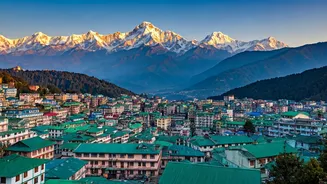
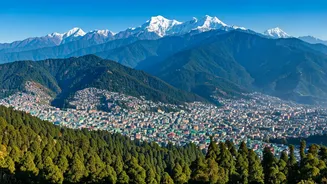
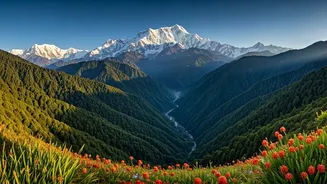
alternative. Nestled in the Himalayan foothills at a manageable 5,410 feet, it provides the mountain atmosphere without the physiological strain. Most visitors can acclimate quickly and comfortably, freeing them up to enjoy the scenery instead of nursing a headache. Yet, despite its gentle elevation, the city serves up staggering panoramas of Kanchenjunga, the world's third-highest peak. On a clear day, the snow-dusted massif dominates the horizon, offering a multi-billion-dollar view that in other regions would require days of strenuous hiking to earn.
A City Center Designed for Strolling
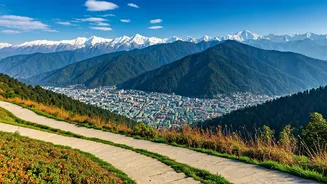
Unlike the chaotic, vehicle-clogged centers of many mountain towns, Gangtok’s heart is an oasis of calm. The main artery, MG Marg, is a wide, pedestrian-only boulevard lined with benches, flowerbeds, and Victorian-style lamps. It’s famously clean, a result of long-standing civic pride and a state-wide ban on plastic bags and public smoking. Here, the “soft travel” experience is literal. You can spend an entire afternoon strolling from shop to shop, popping into cozy cafes for a cup of local Temi tea, or simply sitting on a bench to people-watch. The atmosphere is relaxed and orderly, encouraging unhurried exploration rather than a frantic dash between sights. It’s a city center that invites you to linger, making it the perfect basecamp for a low-stress mountain getaway.
Culture Without the Climb
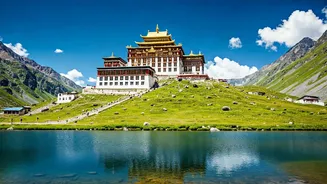
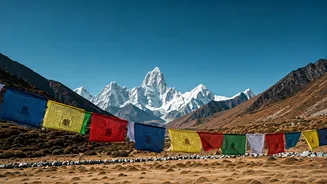
Sikkim is rich with Tibetan Buddhist culture, and its monasteries are architectural and spiritual marvels. In many Himalayan regions, reaching these gompas requires a steep, calf-burning ascent. In Gangtok, culture is conveniently accessible. The most famous monastery, Rumtek, sits on a facing hill and is easily reached by a 45-minute taxi ride. Once there, you can explore the vast complex, with its intricate murals and golden stupas, at your own pace. Similarly, the Enchey Monastery and the Do-Drul Chorten, a massive stupa surrounded by 108 prayer wheels, are located right within the city limits. You can immerse yourself in the serene sounds of chanting monks and spinning prayer wheels, all without having to break a serious sweat.
Views on Demand, No Trek Required
Gangtok’s infrastructure is smartly designed to deliver maximum reward for minimal effort. Instead of demanding long hikes, the best viewpoints are often just a short drive or cable car ride away. The Deorali Ropeway, a cable car that glides over the city, offers breathtaking aerial views of the valley and distant peaks. For a classic Kanchenjunga sunrise, Tashi View Point is a short drive from the city center. A few steps from the car park, and you’re positioned for one of the most iconic Himalayan vistas. This approach to tourism—placing the payoff within easy reach—is the essence of soft mountain travel. It respects that not everyone wants or is able to undertake a challenging physical journey to witness natural beauty.
A Hub for Gentle Excursions
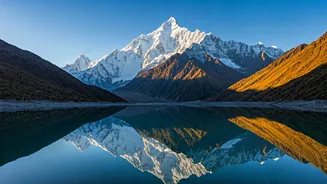
The city also serves as the perfect launchpad for day trips that continue the “soft adventure” theme. A popular excursion is the drive to Tsomgo Lake, a stunning glacial lake situated at 12,400 feet. While the altitude is higher, it’s a manageable day trip for most, with well-paved roads winding through rhododendron forests. The journey itself is part of the experience, offering changing landscapes as you ascend. Tour operators handle all the logistics, including permits, so travelers can simply sit back and enjoy the ride. This model allows you to touch the high-altitude wilderness and return to the comfort of your Gangtok hotel by evening, blending adventure with convenience.