






The Undisputed Classic: Water
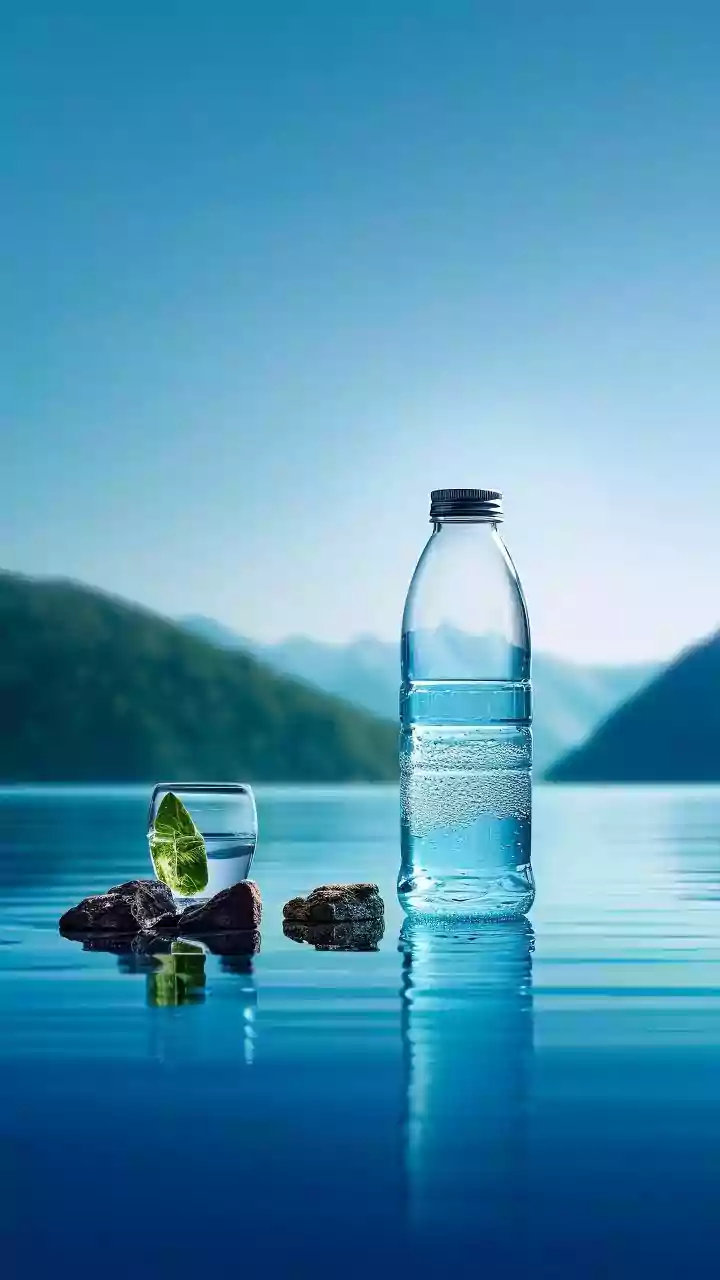
Let’s get the obvious out of the way: water is essential, effective, and should be your go-to for baseline hydration throughout the day. It’s calorie-free, sugar-free, and readily available. For routine daily activities and light exercise, plain water is perfectly
sufficient to replace lost fluids. Your body is designed to absorb it efficiently, and thirst is a pretty reliable (though slightly delayed) signal that you need more. The old 'eight glasses a day' rule is a decent guideline, but individual needs vary based on activity level, climate, and body size. The main takeaway is that for general, everyday sipping, you can’t beat H2O.
The Surprise Contender: Milk
This one might surprise you, but studies have consistently shown that milk is one of the most effective beverages for rehydration. Why? It’s a natural powerhouse of nutrients that help your body hold onto fluid longer. The combination of high-quality protein, carbohydrates, calcium, and electrolytes (like sodium and potassium) slows down the rate at which fluid leaves the stomach. This means you stay hydrated for a longer period compared to drinking water alone. Both dairy milk and, to a lesser extent, fortified plant-based milks offer these benefits, making a glass of low-fat milk a fantastic recovery drink after moderate exercise.
The Clinical Gold Standard: Oral Rehydration Solutions
When you’re seriously dehydrated—whether from a stomach bug, intense endurance exercise, or extreme heat—nothing beats an oral rehydration solution (ORS). Products like Pedialyte, Liquid I.V., or DripDrop are scientifically formulated with a precise balance of sodium, potassium, and glucose. This specific ratio optimizes fluid absorption in the small intestine, rehydrating you faster and more efficiently than any other drink. The small amount of sugar isn’t just for taste; it acts as a co-transporter, helping pull sodium and water from your gut into your bloodstream. They aren’t for everyday sipping, but for rapid rehydration, they are the undisputed champions.
Nature’s Sports Drink: Coconut Water
Often marketed as a natural alternative to sugary sports drinks, coconut water has earned its healthy reputation. It’s packed with electrolytes, particularly potassium, which is crucial for muscle function and fluid balance. It’s lower in calories and sugar than most traditional sports drinks, making it a great choice for rehydrating after a typical gym session or a hot yoga class. However, it's worth noting that it's relatively low in sodium, the primary electrolyte lost in sweat. So, for long-duration, intense exercise where you're sweating profusely, you might need something with a bit more salt.
The Smart Choice: Diluted Fruit Juice
While 100% fruit juice contains some vitamins and potassium, its high concentration of sugar can actually slow down hydration. The concentrated sugars can draw water into your intestine, which is the opposite of what you want. The simple fix? Dilute it. Mixing 100% fruit juice (like orange or apple) with an equal part of water cuts the sugar concentration in half, making it much easier for your body to absorb the fluid and electrolytes. This creates a palatable, hydrating beverage that provides a little energy boost without the negative effects of a full-blown sugar bomb. It's a cost-effective and flavorful way to rehydrate.
For Athletes: Traditional Sports Drinks
There’s a reason marathon runners grab Gatorade or Powerade at aid stations. These drinks are engineered for performance. They serve two main purposes during intense, prolonged exercise (typically lasting more than 60-90 minutes): they provide easily digestible carbohydrates for quick energy, and they replace the sodium and other electrolytes lost through heavy sweating. For the average person doing a 30-minute workout, water is more than enough. But for endurance athletes or those working in extreme heat, a sports drink can be a critical tool for maintaining performance and preventing dehydration-related issues like muscle cramps.