



From Gym Rats to Grocery Carts
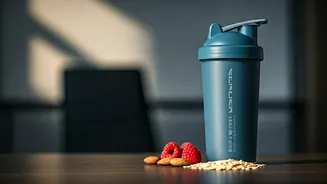
Not long ago, the idea of a ready-to-drink protein shake belonged to a very specific subculture. It was the fuel of bodybuilders, elite athletes, and fitness fanatics—people who measured their macros and spoke in terms of “gains.” For everyone else, they
were mysterious, often chalky concoctions associated with extreme physical pursuits. That world has vanished. Today, the protein drink is as mainstream as a bottle of cold-brew coffee or coconut water. Soccer moms grab them for a post-practice carpool snack, office workers use them as a liquid lunch, and students sip them while studying. The product hasn’t just found a new audience; it has conquered the American mainstream, transforming from a niche supplement into a daily beverage staple. This shift wasn't an accident—it was the result of a perfect storm of changing consumer habits, savvy marketing, and product innovation.
The Convenience and Satiety Cocktail
So, what changed? First and foremost, American life got busier. The demand for convenient, on-the-go meal solutions has skyrocketed. A protein shake is the ultimate grab-and-go meal: no prep, no cleanup, and portable. It fits seamlessly into a culture that prioritizes efficiency above all else. But convenience alone doesn’t explain the explosion. The other key ingredient is the powerful marketing concept of satiety. For decades, protein was marketed for muscle synthesis. The new genius was marketing it for fullness. Brands began messaging their drinks as a tool to curb hunger, avoid the 3 p.m. snack attack, and support weight management goals. This brilliantly expanded the target market from the 1% of the population building muscle to the 100% of the population that gets hungry. The promise is no longer about getting bigger; it’s about feeling fuller, longer, and making smarter dietary choices without the effort.
A Billion-Dollar Rebrand
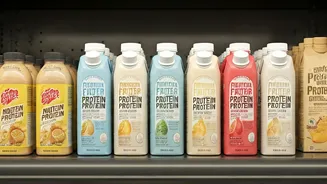
The numbers confirm the trend. The U.S. ready-to-drink protein beverage market has ballooned into a multi-billion dollar industry, with growth consistently outpacing other beverage categories. This boom was fueled by a conscious rebranding effort from key players. Brands like Premier Protein and Fairlife’s Core Power didn’t position themselves as hardcore bodybuilding supplements. Their packaging is bright, clean, and approachable. Their advertising features everyday people achieving everyday goals—not Mr. Olympia contenders. Coca-Cola’s acquisition and massive distribution of Fairlife is a testament to the mainstream appeal. These companies successfully disassociated protein from the intimidating imagery of the gym and re-associated it with modern wellness, energy, and a healthy lifestyle. They made protein sips feel less like a chemical experiment and more like a smart, proactive health choice, just like taking a daily vitamin or choosing whole-wheat bread.
If It Tastes Good, They Will Come
The final piece of the puzzle was the product itself. The first generation of protein shakes was, to put it kindly, an acquired taste. They were often gritty, chalky, and came in a limited range of uninspired flavors like “chocolate” and “vanilla” that tasted anything but. That’s no longer the case. Food science has made huge leaps, resulting in drinks that are smoother, creamier, and genuinely delicious. Today’s protein aisle looks more like a high-end coffee shop menu, with flavors like Café Latte, Salted Caramel, Cookies & Cream, and Strawberry Banana. Furthermore, the rise of plant-based diets created a new frontier for innovation, with pea, soy, and almond protein formulas that cater to vegan and dairy-free consumers. By solving the taste and texture problem, brands removed the final barrier to entry for the average consumer. If it tastes like a milkshake but has the nutritional profile of a healthy snack, the sale becomes easy.