


The Illusion of the 'Perfect' Plate
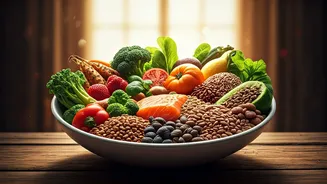
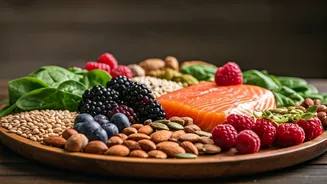
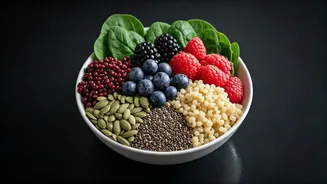
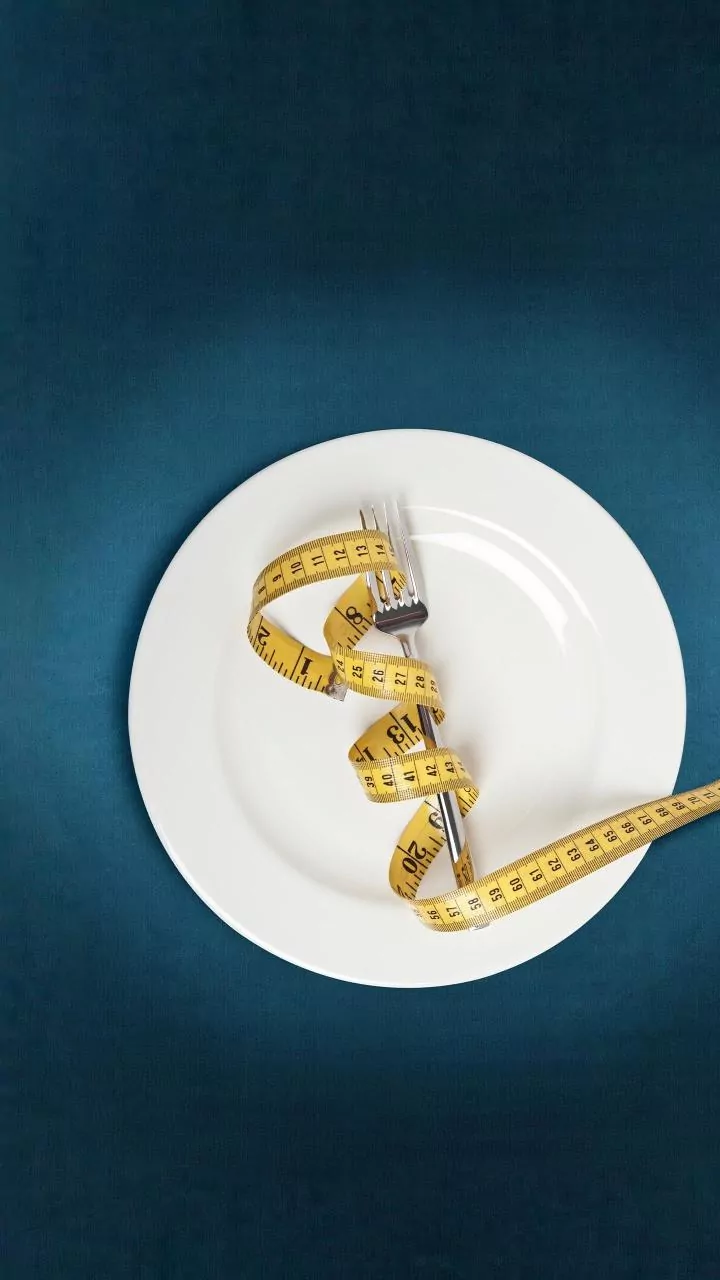
The perfectly curated meal prep containers and aesthetically pleasing smoothie bowls on Instagram and TikTok are more than just food porn; they’re a new form of social pressure. Influencers often showcase extremely restrictive diets—aggressively low-calorie,
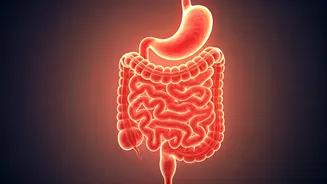
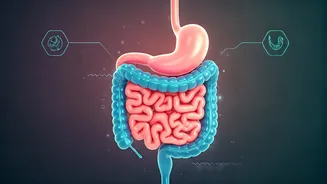
cutting out entire food groups like carbs or dairy, or promoting punishing 'cleanses.' This creates a pervasive belief that health looks a certain way and can only be achieved through deprivation. For the average person, mimicking these diets without professional guidance can lead to nutritional deficiencies and an unhealthy relationship with food. More critically, our gut microbiome—the trillions of bacteria that support digestion, immunity, and even mood—thrives on diversity. When you suddenly eliminate a wide range of foods, you starve certain beneficial bacteria, potentially leading to an imbalance known as dysbiosis, which is linked to bloating, gas, and discomfort.
Diet Whiplash and Your Microbiome
One week, an influencer swears by keto. The next, it’s all about plant-based raw foods or intermittent fasting. This constant cycle of trend-hopping creates a whiplash effect on your digestive system. Your gut is a creature of habit. It adapts to what you feed it. Constantly switching between extreme dietary protocols doesn't give your microbiome a chance to stabilize. Think of it like constantly moving a plant to different environments with varying light and water—it becomes stressed and fails to thrive. Research shows that dietary changes can alter the gut microbiome in as little as 24 hours. While adaptability is a good thing, chronic, drastic swings can reduce the overall diversity and resilience of your gut ecosystem, making you more susceptible to digestive issues and inflammation over time. Consistency and variety within a balanced diet—not extreme, short-lived fads—are what truly build a robust gut.
The Unregulated World of 'Gut-Friendly' Supplements
Alongside restrictive diets, the social media fitness world is a massive marketplace for supplements. Influencers, often paid for their endorsements, push everything from fat burners and debloating teas to greens powders and high-protein shakes. While some supplements can be beneficial, many of these heavily marketed products are a minefield for your gut. Many protein powders and 'health' bars are loaded with artificial sweeteners like sucralose or sugar alcohols like erythritol, which can cause significant gas, bloating, and diarrhea in sensitive individuals. So-called 'debloating' supplements may contain potent laxatives that can create dependency or mask underlying issues. The supplement industry in the U.S. is notoriously under-regulated, meaning products may not contain what they claim or could include ingredients that irritate the gut lining. Following an influencer’s 'gut health protocol' is often a fast track to upsetting it.
The Stress Connection: Your Brain on Social Media
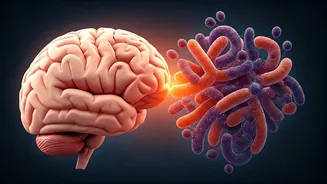
Perhaps the most insidious way social media wrecks gut health has nothing to do with food. It has to do with stress. The gut and brain are directly connected through the gut-brain axis. When you feel psychological stress—like the anxiety from constantly comparing your body to a digitally enhanced ideal—your brain sends distress signals to your gut. This can trigger the release of stress hormones like cortisol, which can increase gut permeability (often called 'leaky gut'), alter gut motility (leading to constipation or diarrhea), and negatively impact your microbiome. The constant pressure to achieve an unrealistic, often unattainable, aesthetic standard is a chronic psychological stressor. So while you might be eating all the 'right' things, the mental toll of striving for that perfect social media body could be the very thing causing your mysterious stomach problems.