

So, What Exactly is a Pakora?
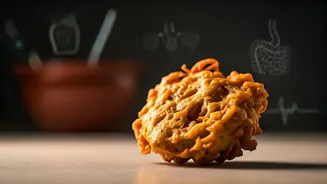
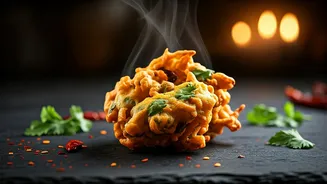
For the uninitiated, a pakora is a savory, deep-fried fritter. But that clinical description is like calling a hug a “bilateral limb-based pressure application.” It misses the point entirely. The foundation is a simple batter made from besan (chickpea
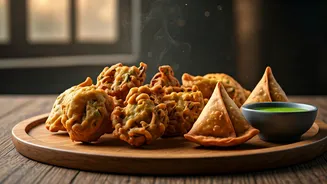
flour), seasoned with spices like turmeric, ajwain (carom seeds), and chili powder. Into this golden batter goes… well, almost anything. Thinly sliced onions are a classic, creating a tangled, crispy nest. Potatoes, spinach leaves, cauliflower florets, long green chilies, and even cubes of paneer (a firm Indian cheese) are all popular candidates. Each morsel is dropped into hot oil, where it sizzles and puffs into an irregularly shaped, golden-brown nugget of pure joy. Served hot, often with a side of mint-coriander chutney or sweet-and-sour tamarind sauce, pakoras are a textural masterpiece: crunchy on the outside, soft and savory on the inside.
The Unofficial Snack of Rainy Days
You cannot talk about pakoras without talking about the monsoon. In India, the rainy season is an epic, months-long affair that brings relief from scorching summer heat but also a certain kind of cozy confinement. It’s during this time that the pakora ascends from mere snack to cultural institution. The craving is visceral, almost Pavlovian. The sound of rain on a tin roof is inextricably linked to the sizzle of oil in a kitchen pan. It’s a shared national experience, a collective understanding that a downpour demands two things: a hot cup of chai (spiced tea) and a plate of freshly fried pakoras. It’s the perfect antidote to the damp and gloom—a warm, crunchy, greasy bite of happiness that makes you feel safe and cared for. This connection is so profound that it’s a recurring theme in Bollywood films, literature, and everyday conversation.
A Street Food Staple and Household Hero
One of the pakora’s greatest strengths is its democratic nature. It’s everywhere. You’ll find it being sold by street vendors on bustling city corners, the fritters scooped from a massive wok into a makeshift cone of old newspaper, the ink smudging slightly from the hot oil. This is the pakora in its most rustic, immediate form—a quick, cheap, and satisfying bite on the go. But the pakora is equally at home in the domestic kitchen. It’s the go-to snack for unexpected guests, a quick appetizer before a larger meal, and a treat made by mothers and grandmothers to spoil their families. Everyone has their family’s specific recipe—a secret spice blend, a particular way of slicing the onions, a preferred chutney. This dual identity, as both a public street food and a private comfort food, makes it a unique and unifying culinary force.
More Than Just a Fritter
So why is it a “guilty pleasure”? The “guilty” part is a knowing nod to the fact that, yes, it’s deep-fried. It’s not health food, and nobody pretends it is. But the “pleasure” part wins, every time. The guilt is performative, a small price of admission for an experience that is about so much more than calories. It’s about nostalgia for childhood monsoons. It’s about the social ritual of gathering with family and friends to share a simple, unpretentious meal. It’s about the sensory overload of crisp batter, fragrant spices, and steaming-hot tea. In a world of complex, multi-step recipes and fine-dining deconstructions, the pakora remains defiantly simple. It’s a humble food that delivers an outsized dose of comfort, connection, and pure, unadulterated pleasure. And that’s a feeling an entire subcontinent understands perfectly.