




Your Scalp Is Just Skin
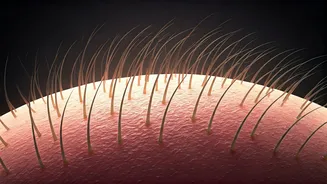
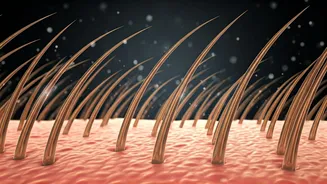
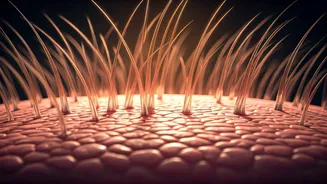
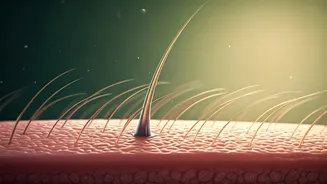
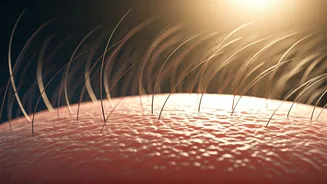
Here’s the fundamental shift in thinking that changes everything: your scalp is an extension of the skin on your face. It has pores, produces oil (sebum), sweats, and sheds dead skin cells. We wouldn't dream of going to bed with a full face of makeup,
yet many of us load our scalp with dry shampoo, styling products, and gels for days without a proper cleanse. This buildup, combined with natural oils and dead skin, can clog hair follicles. A clogged, imbalanced, or inflamed follicle simply cannot produce its best work—which is to grow a strong, healthy hair strand. Think of it like gardening. You can’t expect a vibrant flower to grow from depleted, choked-off soil. Your scalp is the soil for your hair.
Signs Your Scalp Needs Help
An unhappy scalp isn't always subtle. While conditions like psoriasis or eczema require a dermatologist, many common complaints are signals of a simple imbalance. Are you experiencing persistent itchiness? That's often a sign of dryness or product buildup. Are flakes showing up on your shoulders? It could be dandruff, but it can also be a cry from a scalp that's either too dry or has a buildup of styling products. Is your hair greasy just hours after washing? Your scalp might be over-producing oil to compensate for being stripped by harsh shampoos. Even hair that appears dull, lifeless, or isn't growing as fast as it used to can be a symptom of a neglected scalp environment. These aren't just 'hair problems'—they are scalp problems in disguise.
Step 1: Cleanse with Intention
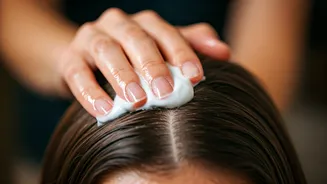
The first step is rethinking how you wash your hair. It’s not just about the hair; it’s about cleansing the scalp. When you shampoo, focus the product directly on your roots. Use the pads of your fingers (never your nails) to massage the shampoo into your scalp in circular motions for a full 60 seconds. This does two things: it helps physically dislodge dirt and buildup, and it boosts circulation, which brings vital nutrients to the hair follicles. If you're a heavy user of styling products or dry shampoo, consider a 'double cleanse'—just like you might for your face. The first wash breaks down product, and the second wash cleanses the scalp itself. A clarifying shampoo once a week or every few weeks can also act as a reset button.
Step 2: Exfoliate the Buildup
Just as you exfoliate your face to remove dead skin cells and promote brightness, your scalp benefits from the same treatment. Scalp exfoliation helps remove the stubborn buildup that regular shampooing can miss, clearing the way for healthier growth. There are two main types. Physical exfoliants, like scalp scrubs with sugar or salt, manually buff away debris. They feel satisfying but should be used gently to avoid causing micro-tears. Chemical exfoliants use ingredients like salicylic acid (great for oiliness and flakes) or glycolic acid to dissolve the bonds holding dead skin cells to the surface. These are often found in pre-shampoo treatments or serums. Start by exfoliating once every week or two and see how your scalp responds.
Step 3: Nourish and Moisturize
After cleansing and exfoliating, the final step is to add nourishment back. This is where scalp serums and treatments come in. Look for products with ingredients you’d recognize from your skincare routine. Hyaluronic acid can help a dry scalp retain moisture. Antioxidants like Vitamin C can help protect from environmental stressors. Peptides and caffeine can help invigorate the follicles and support the growth cycle. If your scalp is dry and tight, a few drops of a lightweight, non-comedogenic oil (like squalane or jojoba) massaged in before bed can work wonders. The goal is to create a balanced, hydrated, and calm environment, giving each hair follicle the best possible chance to thrive.