
Embrace the Dal and Rice Power Duo
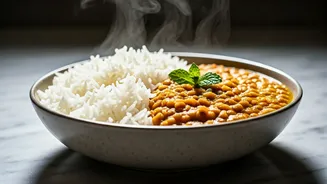
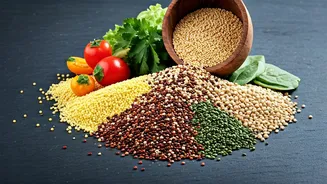
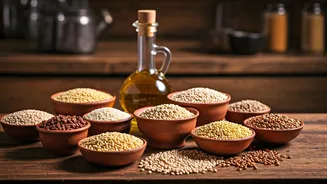
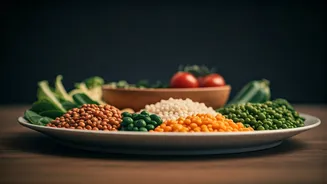
This isn't just a humble staple; it's a nutritional powerhouse. Lentils (dal) are packed with protein and fiber, but they don't contain all the essential amino acids. Rice, on the other hand, fills in those gaps. Together, dal and rice form a 'complete
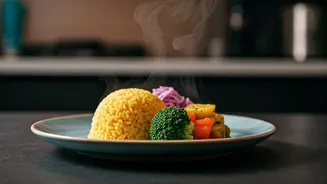
protein,' providing all the building blocks your body needs, similar to what you'd get from meat. This combination is central to Indian home cooking for a reason: it's deeply nourishing, incredibly satiating, and one of the most budget-friendly meals you can eat. When ordering, look for a simple dal tadka or dal makhani (made with black lentils) and pair it with steamed basmati rice. You get a hearty, wholesome meal that stabilizes blood sugar and keeps you full for hours, all for a fraction of the cost of a rich, cream-based curry.
Choose Roti Over Naan
Everyone loves the pillowy, bubbly texture of a good naan, but it’s best viewed as a treat. Traditionally made from refined white flour (maida) and often enriched with yogurt or milk, naan can be heavy and cause a quick spike in blood sugar. Your smarter, everyday choice is roti (also called chapati). Made from whole wheat flour (atta), roti is loaded with fiber, which aids digestion and promotes a feeling of fullness. It provides a slow release of energy, preventing the post-meal slump. Plus, it’s the perfect, sturdy vehicle for scooping up vegetable dishes and lentils without adding excess fat or refined carbs. At restaurants, always ask if they offer whole wheat roti. At home, making them is a simple and cost-effective skill that pays huge wellness dividends.
Make Raita Your Best Friend
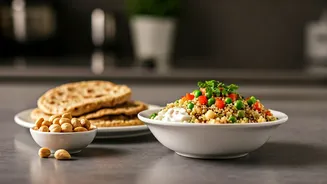
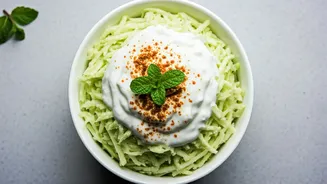
That small side of yogurt isn't just a garnish; it's a functional food. Raita—yogurt mixed with herbs and mild spices, often with grated cucumber or onion—is the perfect cooling counterpoint to the heat of Indian spices. From a wellness perspective, it does much more. The probiotics in yogurt support a healthy gut microbiome, which is essential for digestion and overall immunity. It also adds a dose of protein and calcium to your meal. Instead of a creamy, high-fat curry, try pairing a spicier, tomato-based dish like a chana masala (chickpea curry) with a generous serving of raita. The yogurt will temper the heat, enhance the flavor, and make the entire meal easier to digest, all while adding nutritional value.
Prioritize Vegetable-Rich Sabzis
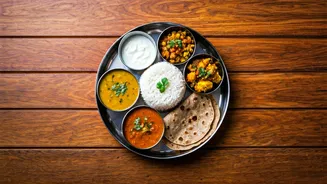
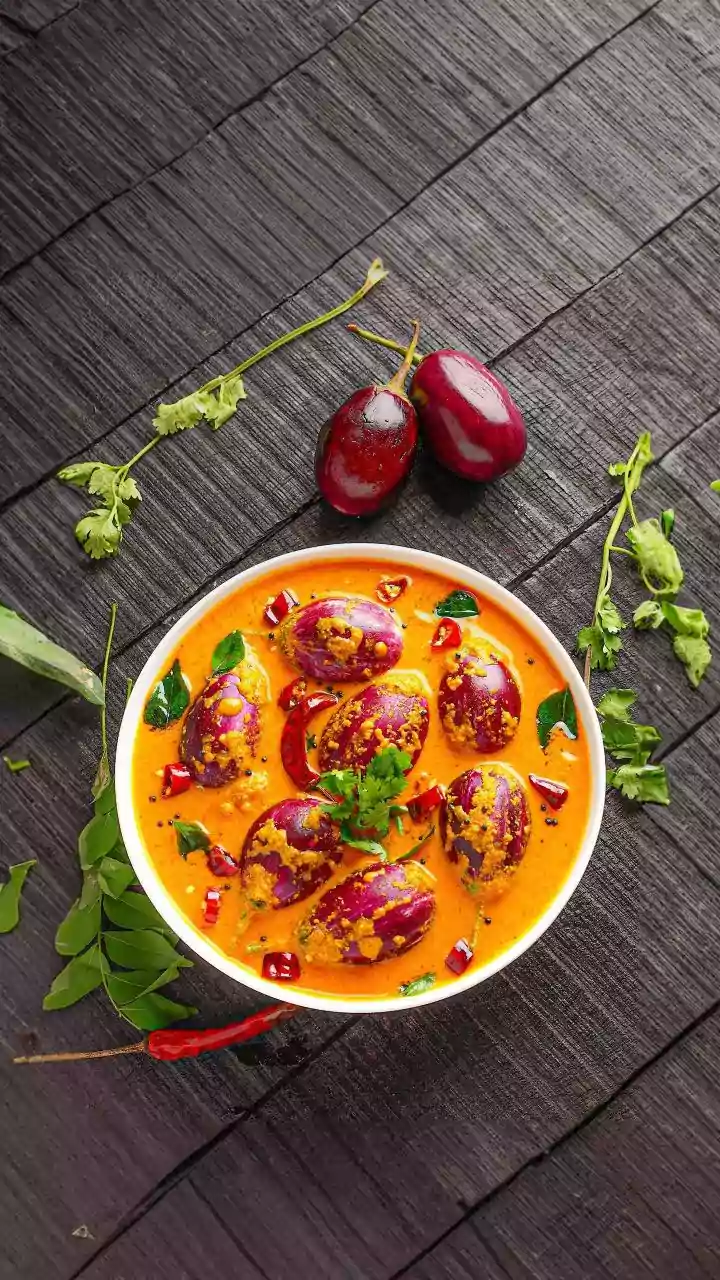
The world of Indian vegetarian cooking is vast and criminally underrated in the U.S., where menus often default to paneer butter masala. A 'sabzi' is simply a cooked vegetable dish, and this is where you can load up on nutrients affordably. Look for dishes that put vegetables front and center: bhindi (okra) masala, aloo gobi (potato and cauliflower), or baingan bharta (smoky roasted eggplant). These dishes are typically seasoned with a symphony of anti-inflammatory spices like turmeric, cumin, and coriander. By making a sabzi the star of your plate, complemented by dal and roti, you create a balanced, fiber-rich meal. You avoid the heavy creams and fats common in many popular restaurant curries, filling up on vitamins and minerals instead. This approach mirrors how millions eat in India every day.
Rethink Your Appetizer Strategy
The American restaurant experience often starts with a deep-fried appetizer, and Indian eateries are no exception. While delicious, samosas and pakoras are calorie-dense and can leave you feeling sluggish before your main course even arrives. A smarter pairing starts the meal with something lighter that awakens the palate instead of overwhelming it. Consider ordering a simple soup, like a lentil-based mulligatawny, or a kachumber salad—a refreshing mix of chopped cucumber, tomato, and onion. These options provide hydration and nutrients without the heavy dose of oil. If you absolutely crave a savory starter, share it among the whole table. The goal isn't to eliminate joy, but to prioritize pairings that make you feel energized, not exhausted.