


The Rise of 'Cool-cationing'
Remember when summer travel was about chasing the sun? For a growing number of Americans, it’s now about escaping it. The phenomenon, dubbed 'cool-cationing,' is a direct response to the physical and mental exhaustion of enduring increasingly intense
heatwaves. It’s not just about avoiding discomfort; it’s a fundamental shift in vacation psychology. Instead of returning from a trip feeling drained and overheated from navigating sweltering tourist traps, travelers are actively seeking destinations that promise crisp air, lower humidity, and a genuine sense of refreshment. Travel industry reports show a clear pivot, with search traffic and bookings surging for destinations in cooler, northern latitudes or at higher elevations. This isn't a fleeting trend but a practical adaptation to a changing climate, prioritizing well-being over a suntan.
Mountain Escapes and Alpine Air
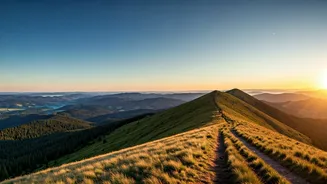
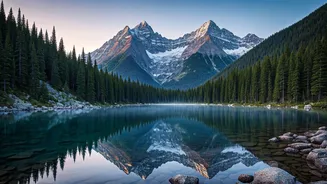
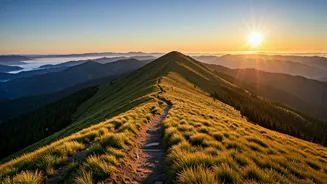
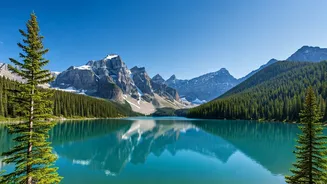
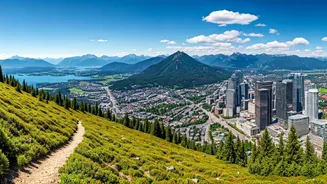
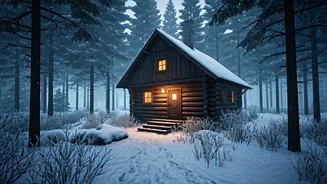
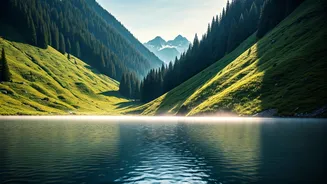
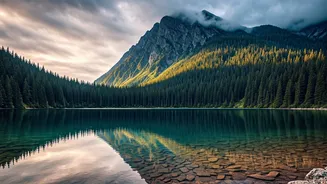
One of the most intuitive ways to beat the heat is to gain some altitude. For every 1,000 feet you climb, the temperature typically drops by about 3.5°F, making mountain towns a natural refuge. Destinations across the American West, like those in Colorado’s Rockies, Utah’s Wasatch Range, or the Sierra Nevada in California, offer a perfect antidote to lowland swelter. Here, hot afternoons are spent hiking beneath the shade of pine and aspen trees, not melting on asphalt. Evenings are cool enough for a bonfire or a cozy sweater. The appeal extends eastward to the Appalachian Mountains, from the Blue Ridge of North Carolina to the Green Mountains of Vermont, where lush forests and rushing streams provide a sensory escape from the oppressive humidity plaguing the coasts and plains.
Coastal Breezes Beyond the Tropics
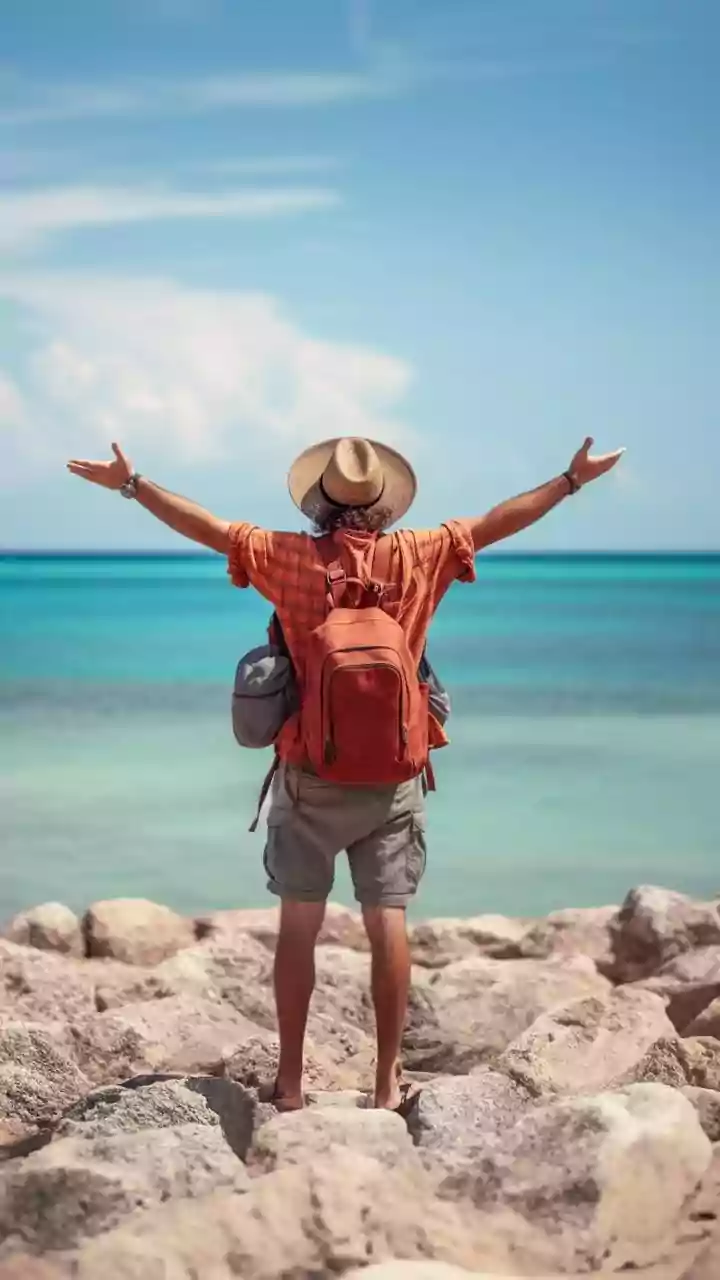
A beach vacation doesn’t have to mean tropical heat. Savvy travelers are rediscovering America’s more temperate coastlines. Instead of Florida or the Gulf Coast in July, they’re looking to the rocky shores of Maine, the charming towns of the Oregon coast, or the sandy dunes along Lake Michigan. These destinations offer the classic water-centric vacation—swimming, kayaking, fresh seafood—but with the added bonus of cool ocean or lake breezes and comfortable, sleep-friendly nights. The Pacific Northwest, in particular, has become a prime cool-cation spot, where daytime highs often hover in the 70s while the rest of the country bakes. It’s a chance to enjoy the coast as it was meant to be enjoyed: with invigorating, fresh air, not suffocating humidity.
The Shaded Serenity of National Forests
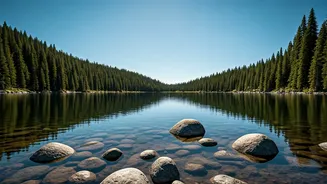
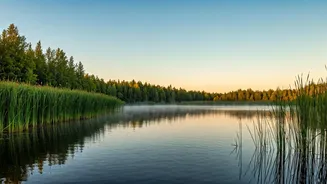
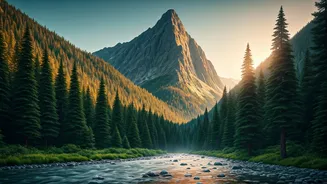
While iconic National Parks can be Canyons of humanity in the summer, their less-famous cousins, the National Forests, offer a quieter, shadier, and often cooler alternative. These vast expanses of public land provide millions of acres of tree cover, creating a natural air-conditioning effect. They are havens for activities that pair perfectly with a desire to cool down: finding a secluded swimming hole in a forest stream, fishing from a shaded riverbank, or simply setting up a hammock between two towering trees. With fewer crowds and less developed infrastructure, a trip to a National Forest feels more like a genuine retreat into nature, offering a profound break from the noise, congestion, and, most importantly, the heat of modern life.
Going North: Alaska and Canada
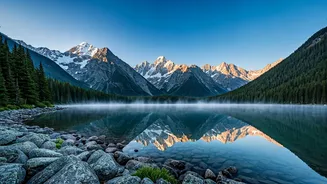
For the ultimate heat escape, many are looking to the true north. Alaska, America's own 'last frontier,' offers a summer experience defined by epic glaciers, stunning fjords, and wildlife sightings, all enjoyed in temperatures that rarely require more than a light jacket. It’s the antithesis of a sweaty, crowded theme park. Similarly, our neighbors in Canada offer an endless supply of cool summer destinations. The dramatic landscapes of British Columbia and Alberta, the charming maritime culture of Nova Scotia and Prince Edward Island, or the wild beauty of Quebec’s Gaspé Peninsula all provide a welcome respite. A trip north is more than a vacation; it’s a climate migration that replaces the stress of a heatwave with the awe of wide-open, temperate wilderness.