



First, What Is Ekadashi?
Before diving into the waterless rule, it helps to understand the basics. In the Hindu lunar calendar, 'Ekadashi' refers to the eleventh day of each of the two lunar phases: the waxing moon (Shukla Paksha) and the waning moon (Krishna Paksha). This means
it occurs twice a month. For many Hindus, especially followers of Vishnu, these days are considered highly auspicious for spiritual activities. The most common observance is fasting, which can range from simply abstaining from grains and beans to more stringent forms. The core idea is to detach from worldly pleasures, focus the mind on God, and cleanse the body and soul. Think of it as a recurring spiritual reset button, a day to hit pause on regular consumption and heighten one's devotional consciousness.
The 'Nirjala' Difference: Without Water
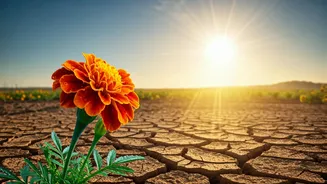
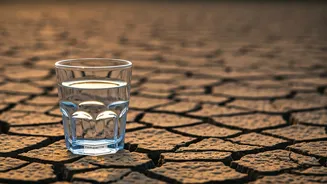
Of the 24 Ekadashis that occur in a year, one stands apart as the most challenging and, consequently, the most spiritually potent: Nirjala Ekadashi. The word 'Nirjala' literally translates from Sanskrit to 'without water.' While other Ekadashi fasts permit water and certain fruits or roots, this one, which falls in the Hindu month of Jyeshtha (typically May or June), mandates a complete fast from both food and water. The observance lasts from sunrise on Ekadashi day to sunrise the following day, a period of over 24 hours. Undertaking such an extreme fast, especially during the onset of India’s hot summer, is an immense test of willpower and devotion. It is not undertaken lightly and is seen as an act of supreme austerity and faith.
The Legend of the Strongest Pandava
So, why would anyone undertake such a difficult fast? The origin story is famously tied to a character from the Hindu epic, the Mahabharata: Bhima. The second of the five Pandava brothers, Bhima was renowned for his superhuman strength and, just as famously, his voracious appetite. His love for food was so great that he found it impossible to observe the twice-monthly Ekadashi fasts like his brothers and wife. Distraught that he couldn't perform this key devotional act, Bhima sought the counsel of the great sage Vyasa. He explained his predicament: he could fight any enemy, but he couldn't conquer his own hunger. Vyasa, understanding his unique struggle, offered a compassionate compromise. He told Bhima that if he could observe just one Ekadashi in the entire year with absolute strictness—meaning no food or water—he would gain the spiritual merit of observing all 24. This was Nirjala Ekadashi. Because of this story, the fast is also popularly known as 'Bhimseni Ekadashi.'
The Ultimate Spiritual Payoff
The story of Bhima provides the 'why,' but the spiritual beliefs surrounding the fast give it enduring power. Following the strict waterless rule is believed to be a powerful way to absolve oneself of sins and purify karma. By willingly enduring intense physical discomfort, devotees demonstrate their commitment to a higher spiritual goal over their own bodily needs. It is an act of tapasya (austerity) that sharpens self-control and deepens one's connection to the divine. Devotees believe that successfully completing the Nirjala Ekadashi fast not only grants the benefits of all other Ekadashis but also brings blessings of health, prosperity, and, most importantly, progress on the path toward moksha—liberation from the cycle of rebirth. For many, the physical hardship is a small price to pay for such immense spiritual rewards. It’s a 24-hour masterclass in detaching from the physical world to connect with the eternal.