


The Camera Eats First
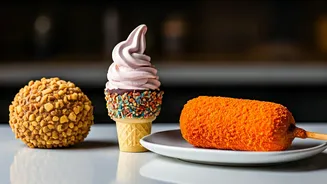
Walk through any popular night market, food festival, or trendy city block, and you’ll notice a shift in the street food landscape. The humble hot dog and simple soft-serve cone still exist, but they’ve been overshadowed by snacks that seem engineered
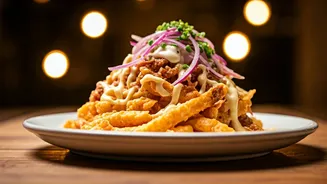
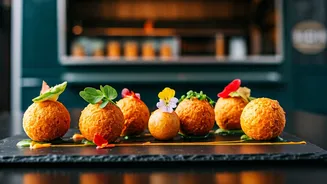
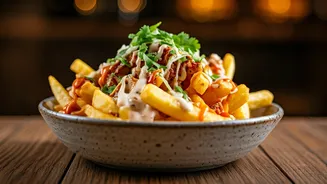
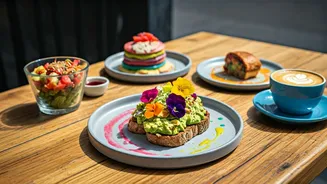
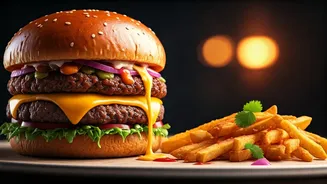
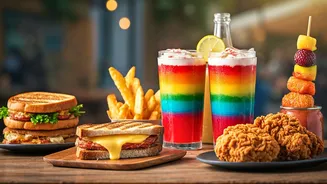
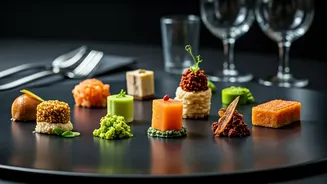
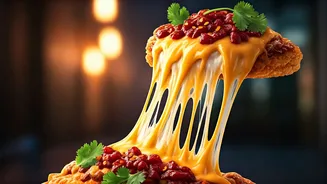
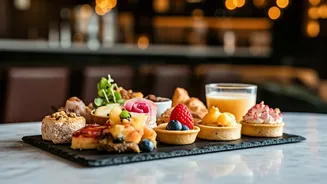
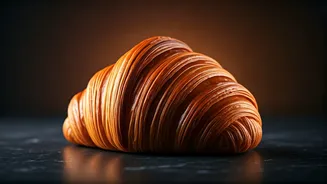
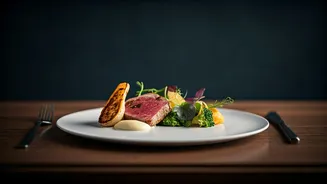
in a lab for maximum visual impact. We’re talking about Korean corn dogs coated in french fries, taiyaki cones shaped like fish and filled with swirls of matcha and ube soft serve, and drinks that shimmer with edible glitter. This is the era of the visual snack, where the primary consumer isn't your mouth, but your phone’s camera. The philosophy is simple and powerful: the camera eats first. The value of the snack is measured not just in taste, but in its potential to become compelling digital content. Does it have a satisfying 'cheese pull'? Does it drip in a photogenic way? Does its color palette pop against a city background? These are the new metrics of success.
Engineered for the Algorithm
This phenomenon isn't an accident; it’s a calculated business strategy. Food entrepreneurs understand that for Gen Z, a social media post is the most powerful form of word-of-mouth marketing. A single viral TikTok video can be more valuable than a positive review in a major publication. As a result, food development has become a form of content creation. Vendors are reverse-engineering snacks from the desired social media moment. They prioritize features that play well on a small screen: dramatic textures, like the crispy, web-like exterior of a 'tornado potato'; dynamic motion, like the cascade of cheese on birria tacos; and extreme color, using natural ingredients like purple ube or bright green matcha to create something that stops a user from scrolling. The food itself is often secondary to the 'shareable moment' it creates. This has given rise to a new kind of culinary artist—one who is as much a food stylist and amateur physicist as they are a chef.
Why It’s a Gen Z Thing
While people of all ages enjoy taking pictures of their food, this trend is inextricably linked to Gen Z’s relationship with the digital world. As the first generation of true digital natives, their social lives, identities, and sense of community are deeply intertwined with platforms like TikTok and Instagram. Sharing an experience online isn’t an afterthought; it’s part of the experience itself. Posting a video of a viral food isn't just showing off—it's a form of participation. It signals that you are 'in the know,' part of a cultural moment, and connected to a wider community of people chasing the same trend. For many, the search for the viral snack is a real-world quest, a scavenger hunt that provides a fun, low-stakes objective for a day out with friends. The food is the trophy, but the shared experience of finding and documenting it is the real prize.
But Does It Actually Taste Good?
This is the million-dollar question, and the answer is complicated. A focus on visuals can undoubtedly come at the expense of flavor. Some viral snacks are pure gimmick—all style, no substance. They deliver the perfect photo and a mouthful of disappointment, a one-and-done experience designed for fleeting fame. These are the culinary equivalent of clickbait. However, the most successful and enduring visual snacks manage to deliver on both fronts. The beloved Korean corn dog offers not only a spectacular cheese pull but also a satisfying textural contrast of crispy, chewy, and savory. A high-quality bubble tea is beautiful to look at, but it also succeeds because of its creamy texture and complex flavors. The market eventually weeds out the duds. A snack can go viral once on looks alone, but it can only build a lasting business if people come back for a second taste. The sweet spot is a food that looks as good as it tastes, creating a loop where the visual hook leads to a genuinely delicious experience worth sharing for all the right reasons.