




The Remote Work Revolution
The single biggest change isn't a travel hack; it's a work revolution. Before, backpacking was confined to a gap year, a summer break, or a career sabbatical. You saved, you quit, you traveled until the money ran out. The new framework flips this script.
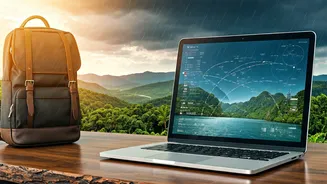
The widespread adoption of remote and flexible work has untethered income from a physical office. Backpackers are no longer just spending money—they're earning it on the road. A laptop in a Thai café or a Croatian co-working space can be a fully functional office. This transforms a trip from a finite expense into a sustainable lifestyle. Instead of a three-month sprint, it can be a year-long marathon, funded by part-time graphic design, coding, virtual assistance, or any number of portable professions. The budget is no longer a fixed pot of gold but a renewable resource.
An App for Everything
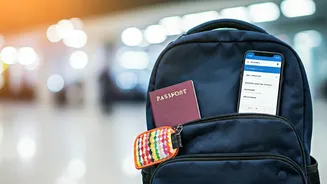
Today’s backpacker has a supercomputer in their pocket, loaded with an arsenal of hyper-specific apps that eliminate financial guesswork and waste. This goes far beyond just booking flights. Apps like Skyscanner and Hopper use predictive algorithms to tell you the absolute cheapest time to fly. Currency converters like XE update in real-time, preventing costly mistakes at exchange kiosks. Hostelworld and Booking.com have robust review systems that prevent nasty surprises, while niche platforms like Workaway and Worldpackers connect travelers with hosts for work-exchange agreements—trading a few hours of labor for free room and board. Even simple tools like Maps.me for offline navigation or Trail Wallet for expense tracking create a seamless, data-driven experience where every dollar is accounted for. This app ecosystem acts as a digital co-pilot, constantly optimizing for cost and convenience.
The Evolution of Accommodation
The choice for budget lodging used to be simple: a crowded dorm room or a sketchy motel. That binary choice is long gone. While hostels remain a vibrant hub of backpacker culture, they've been joined by a spectrum of other options. House-sitting platforms like TrustedHousesitters allow travelers to live in a home for free in exchange for watching pets and property—a game-changer for long-term stays. Co-living spaces have also emerged in major cities, offering a blend of private rooms and communal workspaces that cater directly to digital nomads. Even Couchsurfing, the original free-stay network, continues to provide authentic cultural exchange. This diversification means a backpacker's budget isn't just stretched further; the quality of the experience can be dramatically improved, trading a noisy dorm for a private home with a full kitchen and a friendly golden retriever.
The Rise of the Travel Creator
Social media has turned travel itself into a potential income stream. While becoming a top-tier travel influencer is rare, the creator economy has opened up countless smaller opportunities. A backpacker with a flair for photography can sell prints or license photos to brands. A good writer can freelance for travel blogs. Someone skilled with video can create YouTube content or short-form reels for platforms like TikTok and Instagram, earning money from ad revenue or brand partnerships. This doesn't require a massive following, either. Niche creators focused on specific destinations or travel styles (like vegan backpacking or solo female travel) can build dedicated audiences and monetize their expertise. It has transformed the travel journal from a private memento into a potential public asset.
A Cultural Shift in Frugality
Perhaps the most subtle but powerful element of this new framework is a cultural one. Being a budget traveler is no longer seen as just being 'broke.' In an era conscious of sustainability, consumerism, and authentic experiences, frugality is often reframed as being 'smart.' Choosing a local market over a tourist-trap restaurant isn't just cheaper; it's more authentic. Taking a bus instead of a plane isn't just about saving money; it's about slow travel and reducing your carbon footprint. This mindset shift empowers backpackers to feel proud of their choices, not apologetic. It's less about what you're giving up and more about what you're gaining: resourcefulness, deeper cultural immersion, and a more intentional way of seeing the world.