





1. The Digital Gym Is Free
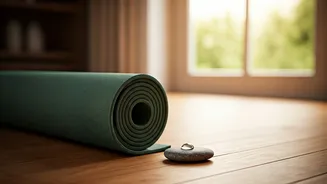
The single biggest democratizer of fitness has been the device in your pocket. The days of needing a pricey gym membership to get a good workout are long gone. YouTube has become a sprawling, free archive of high-quality fitness content. Creators like
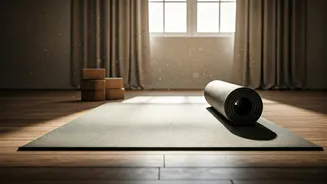
Yoga with Adriene, an Austin-based yoga teacher with millions of subscribers, have built entire communities around the idea that movement should be free and accessible. Beyond yoga, you can find guided HIIT sessions, pilates, dance cardio, and weightlifting tutorials, all available on demand. This shift empowers people to work out on their own schedule, in their own space, without the financial barrier or the intimidation factor that can come with a traditional gym environment.
2. Mindfulness Without the Membership
Mental wellness has followed a similar path. While premium meditation apps like Calm and Headspace still offer robust paid subscriptions, their free introductory content has introduced millions to the basics of mindfulness. But the trend goes deeper. The simple, non-monetized act of focusing on your breath, practicing gratitude, or journaling is being reclaimed as a powerful wellness tool. Social media trends have moved from promoting expensive wellness gadgets to encouraging “soft mornings” or “dopamine journaling”—practices that cost nothing but time and intention. This reflects a broader understanding that mental clarity isn't a product you buy, but a skill you can cultivate with simple, consistent effort.
3. Nature Is the New Luxury Spa
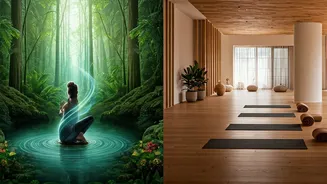
One of the most profound shifts in wellness is the return to nature. Instead of booking a weekend at a remote wellness resort, people are rediscovering the restorative power of their local parks, hiking trails, and public green spaces. The viral “hot girl walk” trend wasn't about expensive athletic wear; it was about the simple, mood-boosting act of walking outside while listening to a podcast or music. Studies have long shown the benefits of spending time in nature—from reducing stress and anxiety to improving focus. This low-cost, high-reward activity is the ultimate form of accessible wellness, available to nearly everyone, everywhere.
4. Kitchen Wellness on a Dime
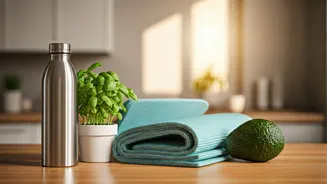
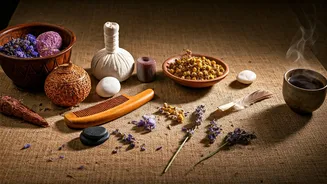
The idea that healthy eating requires exotic superfoods and cold-pressed juices is fading. The new budget wellness prioritizes foundational nutrition. It’s about cooking at home, focusing on whole foods like legumes, seasonal vegetables, and grains, which are far more affordable than pre-packaged “health” foods. Online creators and bloggers have popularized concepts like “budget meal prep” and “what I eat in a day on a budget,” demonstrating that a nutrient-dense diet doesn’t have to be expensive. Learning to make a hearty lentil soup, roast vegetables, or brew your own herbal tea provides a sense of control and nourishment that buying a $12 green juice can’t replicate.
5. The Power of Free Community
Perhaps the most overlooked pillar of wellness is social connection. This, too, has become more accessible. While exclusive clubs and workshops have their place, community is increasingly being found in free or low-cost settings. Think local running clubs that meet in a park, neighborhood book clubs, community gardening projects, or even digital communities formed around shared interests. These groups provide the support, accountability, and sense of belonging that are crucial for mental and emotional health. This shift recognizes that true well-being is often less about solitary self-improvement and more about being part of a collective.