



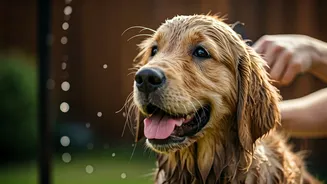

1. Create a Mud-Busting Entry Zone
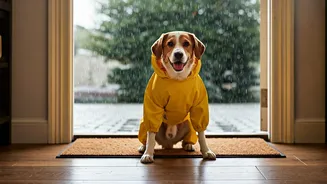
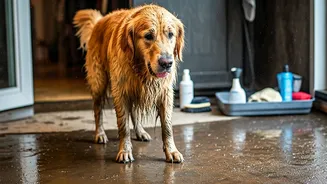
Your first line of defense is a well-equipped triage station at the door your dog uses most. Don’t wait until a muddy dog is sprinting toward your white sofa to figure out a plan. Designate a small area inside the door with a water-resistant mat. On that
mat, keep your entire mud-fighting arsenal: a stack of old, absorbent towels; a container of pet-safe wipes; and your paw-cleaning tool of choice. Training your dog to “wait” on the mat as soon as they come inside is a crucial part of this system. It contains the mess to one manageable, easy-to-clean area, preventing the mud from migrating through your home and turning a small cleanup into a house-wide disaster.
2. Master the Paw Plunge
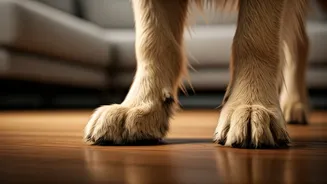
Wiping paws with a dry towel only goes so far. The caked-on, gritty mud that defines monsoon season requires water. This is where a paw plunger or washer comes in handy. These silicone-bristled cups are surprisingly effective: you add a little water, insert a paw, twist gently, and the bristles scrub away the grime. If you don't want to buy a dedicated gadget, a simple, deep plastic container or a sturdy mixing bowl from the kitchen works just as well. Keep it filled with a few inches of lukewarm water by the door. Dip each paw, swish it around, and then dry thoroughly with a towel. This method is far more effective than surface-level wiping.
3. Upgrade Your Towel Game
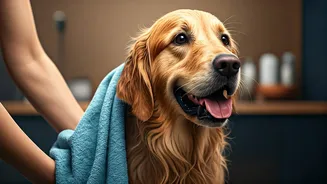
Not all towels are created equal. Those old, thin bath towels you’ve relegated to dog duty are likely not as effective as they could be. Invest in a few high-quality microfiber towels specifically for your dog. Microfiber is engineered to be incredibly absorbent and excels at trapping dirt and moisture. It soaks up water much faster than cotton and can be wrung out more completely, allowing you to get more mileage from a single towel. Their texture also helps lift mud from fur. Having a dedicated, high-performance towel makes the drying process quicker and more efficient, which your impatient dog will surely appreciate.
4. Embrace Waterless Shampoos
Some days, the mud goes beyond the paws. A splatter on the belly or a muddy streak down the back doesn’t always warrant a full-blown bath, which can dry out a dog’s skin if done too frequently. This is the perfect job for a waterless shampoo foam or spray. These products are designed to be massaged into the fur and then wiped away with a towel, lifting dirt and neutralizing odors without any rinsing. It’s the ideal solution for spot-cleaning and a lifesaver for those times when you’re short on time but can’t stand the sight (or smell) of a partially muddy dog.
5. Schedule Preemptive Trims
The less fur there is, the less mud there is to clean. Before the monsoon season kicks into high gear, consider scheduling a grooming appointment for a “sanitary trim.” Ask the groomer to trim the hair on your dog’s paws (between the toes and around the pads), on their belly, and around their rear. Shorter fur in these high-contact areas makes cleanup exponentially easier. Mud has less to cling to and can be wiped away much more simply. This proactive step saves you countless hours of scrubbing and combing out stubborn mud clumps later.
6. Make It a Positive Routine
The most important part of a “smarter” routine is your dog’s cooperation. If cleanup is a stressful wrestling match every time, both of you will dread it. Turn the post-walk cleanup into a positive training opportunity. Keep a jar of high-value treats at your cleaning station. Reward your dog for waiting patiently on the mat, for offering a paw, and for standing still while you dry them. Use a calm, encouraging voice. Over time, your dog will associate this routine not with being restrained, but with getting treats and praise. This transforms a daily chore into a moment of bonding.