
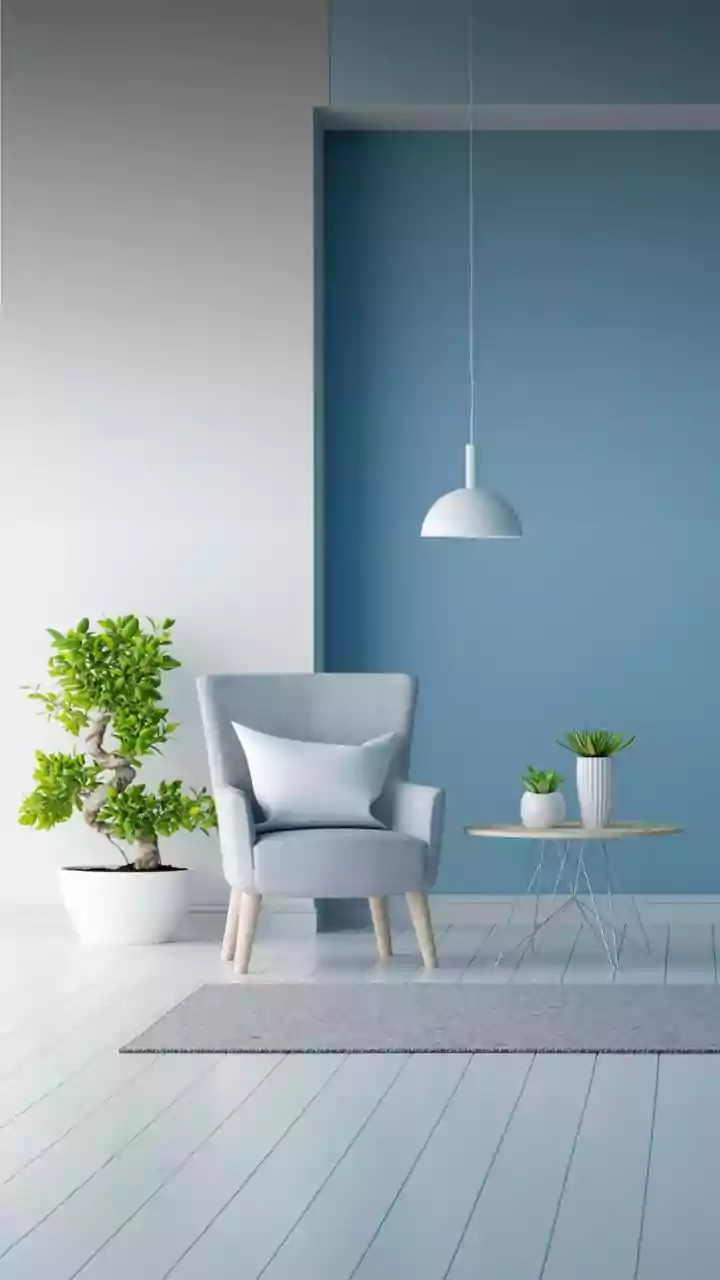
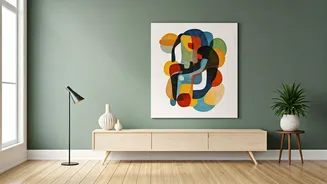
1. The Return of Rich Color
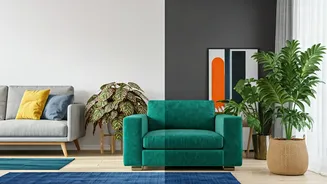
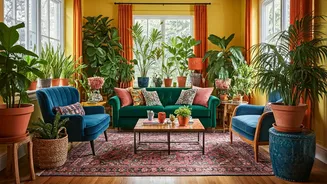
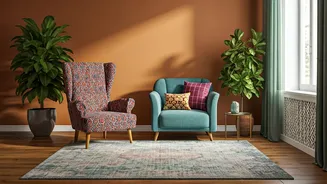
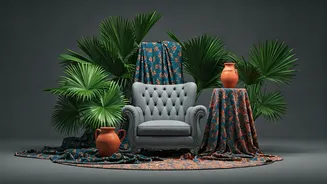
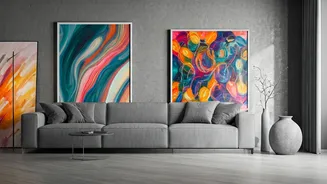
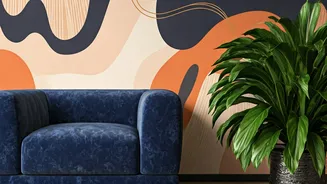
The most obvious antidote to grey monotony is, of course, color. But we’re not talking about the 'Live, Laugh, Love' accent walls of the early 2000s. The new wave of color is intentional and immersive. Think deep, moody jewel tones like emerald green
and sapphire blue, or warm, earthy shades like terracotta, ochre, and rust. These colors create a sense of comfort, history, and sophistication. This trend, sometimes called 'dopamine decor,' is about using color to actively boost your mood and create a space that feels energizing and joyful. It's a move away from designing for resale value and a pivot toward designing for your own daily happiness. Whether it’s a painted ceiling, a velvet sofa, or a full-on color-drenched room, the message is clear: don't be afraid of pigment.
2. Texture as the New Foundation
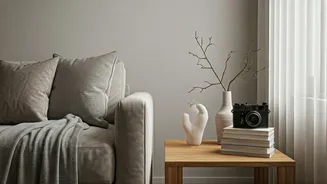
Even if you’re not ready to paint your living room aubergine, you can still fight monotony with texture. For years, the 'modern farmhouse' and minimalist aesthetics favored smooth, clean surfaces. Now, personality is being woven in, quite literally. Designers are layering textures to add depth and interest to even the most neutral palettes. Imagine a nubby bouclé armchair, a rough-hewn wooden coffee table, plaster-finish walls, and plush wool rugs all in the same room. Each element invites touch and adds a layer of visual complexity that sterile, flat surfaces lack. This approach makes a space feel curated and cozy, rather than cold and clinical. It’s a sensory experience that says 'a real person lives here.'
3. Embracing the 'Lived-In' Library Vibe
The pendulum is swinging away from stark minimalism and toward a more collected, almost maximalist, aesthetic. Call it the 'bookshelf wealth' or 'eclectic grandpa' trend; at its core, it’s about showcasing your life and your stories. This isn’t about buying props to fill a shelf. It’s about proudly displaying the books you’ve actually read, the art you’ve collected on your travels, and the mismatched photo frames holding memories. Perfection is no longer the goal. A home with personality has a bit of beautiful, organized clutter. It has stacks of magazines, a well-loved throw blanket, and objects that have history and meaning. It's a rejection of the showroom and an embrace of the sanctuary.
4. The Rise of Biophilic Design
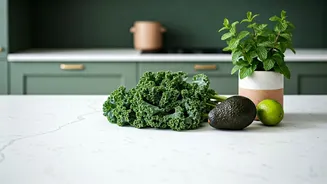
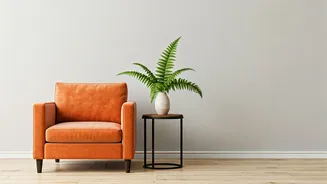
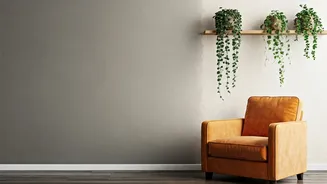
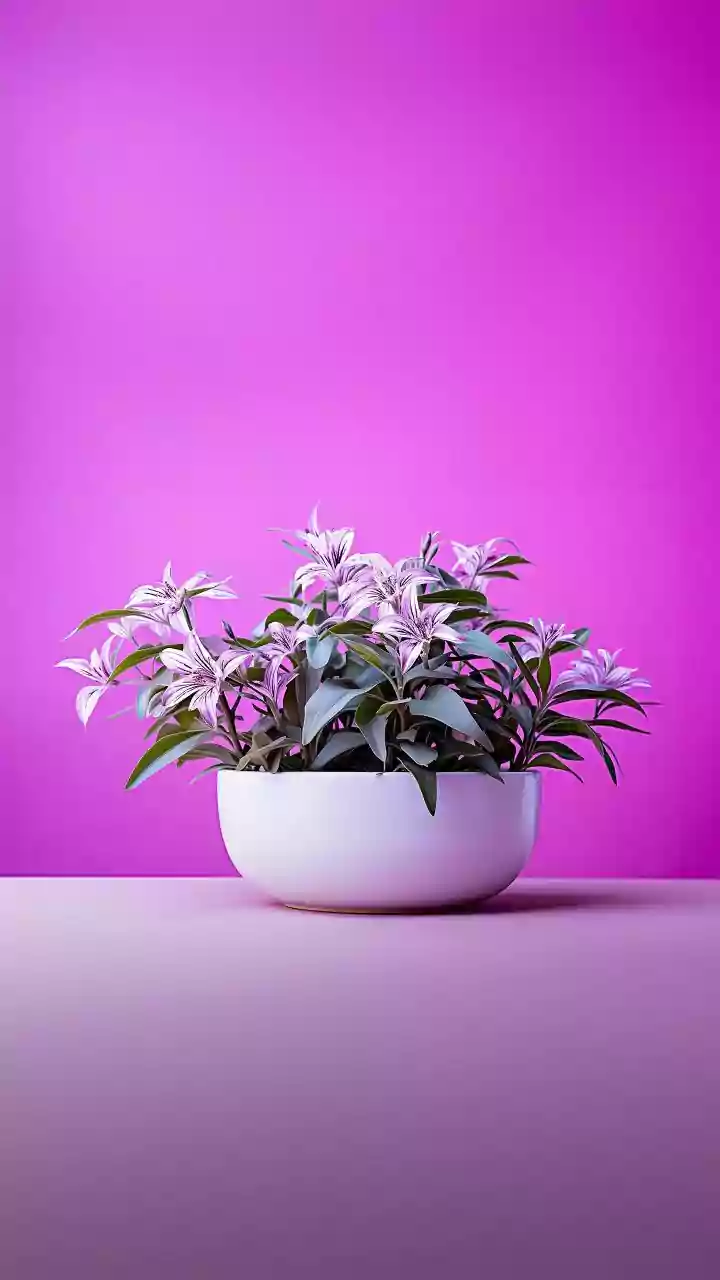
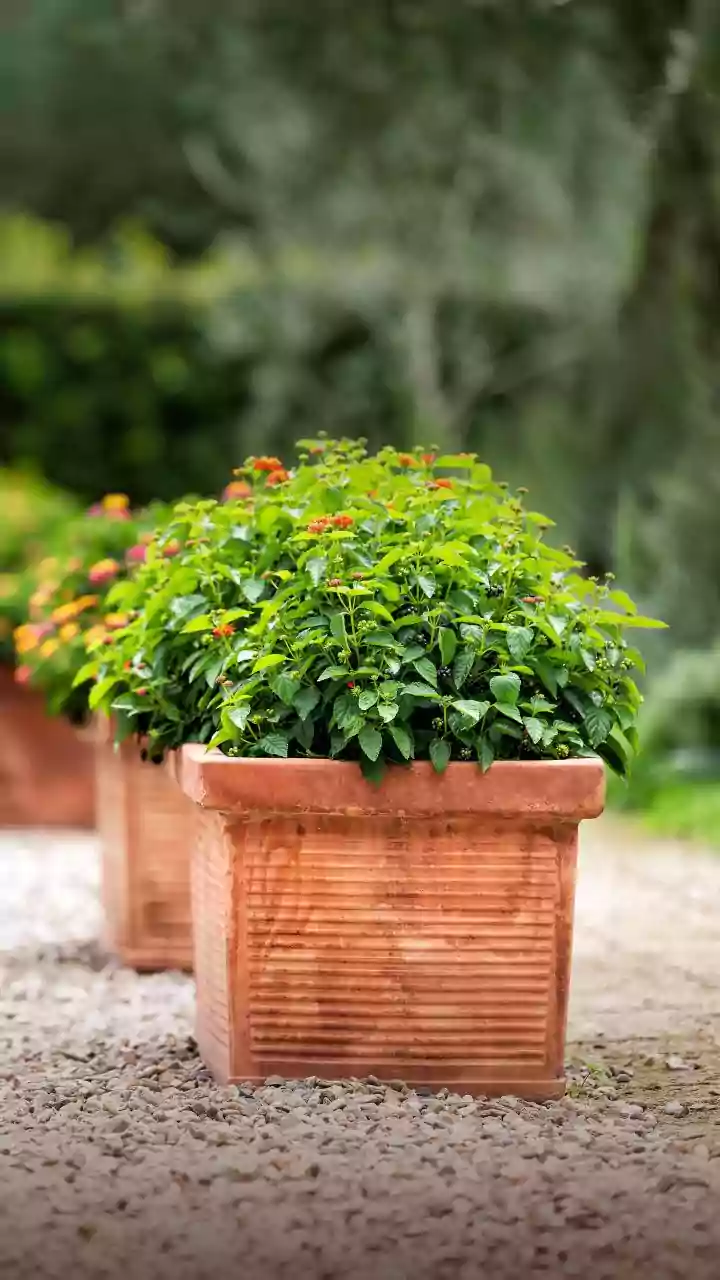
After being cooped up indoors, it’s no surprise we’re craving a connection to the natural world. Biophilic design, which incorporates natural elements into our living spaces, is a key way homes are getting more personality. This goes beyond just adding a fiddle-leaf fig to a corner (though that’s a great start). It’s about using natural materials like wood, stone, and rattan. It’s about maximizing natural light and choosing patterns and forms that mimic those found in nature. A home filled with plants and natural textures feels alive and dynamic. It softens the hard edges of modern life and provides a calming, restorative atmosphere that a monochrome box simply cannot replicate.
5. Curves, Arches, and Softer Shapes
The reign of grey was also the reign of the sharp, 90-degree angle. Clean lines and boxy furniture dominated. Now, interiors are getting softer. Curved sofas that encourage conversation, arched doorways that create elegant transitions, and round coffee tables that soften a room’s geometry are everywhere. These organic shapes feel more welcoming, gentle, and human than their rigid counterparts. They break up the monotony of a standard rectangular room and add a touch of architectural grace. This trend is a physical manifestation of our desire for comfort—these are spaces that feel like they’re giving you a hug, not putting you in a box.