






A Rainbow Over the Rooftop of the World
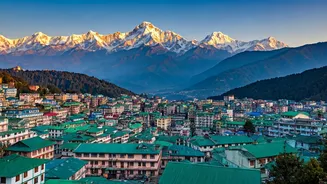
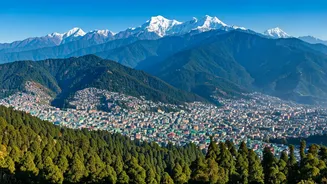
Forget the massive, corporate-sponsored floats of New York or San Francisco. Picture this instead: a procession winding through the misty, terraced streets of a city perched 5,400 feet above sea level. Here, the familiar rainbow flag flies alongside strings
of Buddhist prayer flags, their colors mingling in the crisp mountain air. The soundscape is a unique fusion—the thumping beat of a global pop anthem might give way to the rhythmic clang of traditional cymbals and drums. This was the scene at the Gangtok Pride Walk, an event that has become a powerful, localized expression of a global movement. Organized by the local advocacy group Sikkim Queer Dristi, the parade offers a poignant and visually stunning answer to the question of what Pride looks like when it’s filtered through the unique cultural lens of Northeast India.
The Sikkimese Spin on Pride
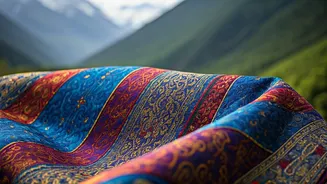
What makes the Gangtok celebration so distinct is its seamless integration of local identity. The “Northeast twist” isn’t just a gimmick; it’s the heart of the event. Many participants don’t just wear rainbow capes; they pair them with traditional attire. You can see marchers proudly wearing the *bakhu* (or *kho*), a wrap-around robe characteristic of Sikkimese, Bhutia, and Lepcha communities. These garments, often made of thick, handwoven fabric in rich, earthy colors, are a powerful statement of heritage. By wearing them at a Pride parade, participants declare that their queer identity and their cultural identity are not mutually exclusive. They can be, and are, both. Slogans and chants are not just in English but also in Nepali, the lingua franca of the region, making the call for acceptance and love deeply rooted and locally resonant.
More Than Just a March
In a region better known for its natural beauty and spiritual tranquility, this public assertion of LGBTQ+ identity is a significant act. Northeast India, while culturally distinct from the rest of the country, is still a socially conservative space in many ways. The annual Pride walk in Gangtok serves as a crucial platform for visibility, advocacy, and, perhaps most importantly, community-building. For many young queer individuals in Sikkim and neighboring areas, it’s the one day of the year they can be fully themselves, surrounded by peers and allies in a joyous, affirming atmosphere. The parade route, which often passes through the city's main commercial artery of MG Marg, ensures that the message of inclusion isn’t confined to a hidden corner but is front and center for all to see. It’s a gentle but firm disruption of the status quo, delivered with smiles, music, and an abundance of color.
A Global Movement, A Local Heart
The story of Gangtok Pride is a powerful reminder that social movements are not monolithic. While the concept of Pride Month originated in the United States with the Stonewall Uprising, its most vibrant expressions today are often found where it is adapted, not just adopted. The celebration in Sikkim isn't a simple copy of a Western parade; it’s a reinterpretation. It shows a community taking a global idea and infusing it with its own history, aesthetics, and values. The result is something authentic and profoundly moving—a testament to the fact that the fight for dignity and acceptance can, and should, look and feel like home, whether that home is a sprawling metropolis or a quiet city in the clouds.