


First, Where (and What) Is Coorg?
Before we dive in, let’s place our pin on the map. Coorg, officially known as Kodagu, is a lush, hilly district in the state of Karnataka in Southern India. Nestled in the Western Ghats—a UNESCO World Heritage Site and a global biodiversity hotspot—it’s
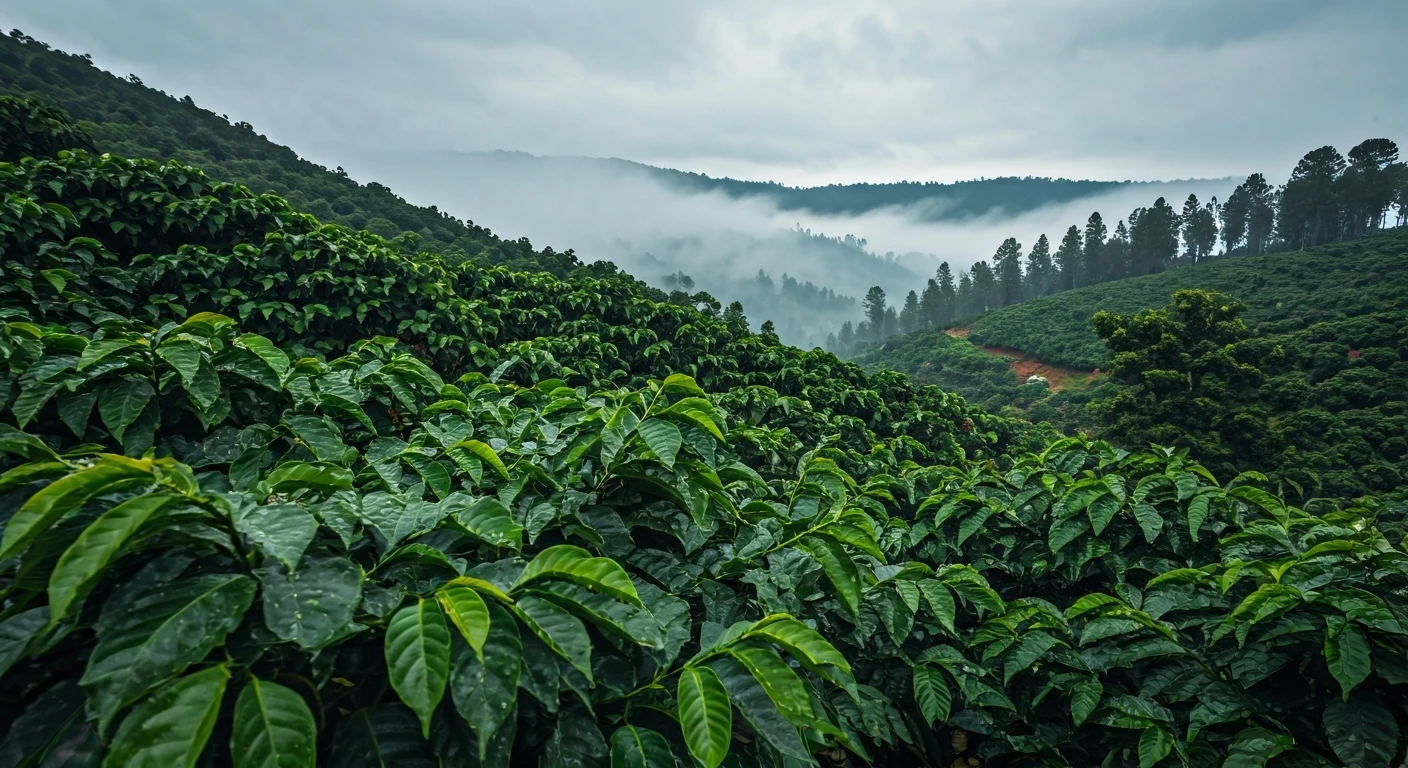
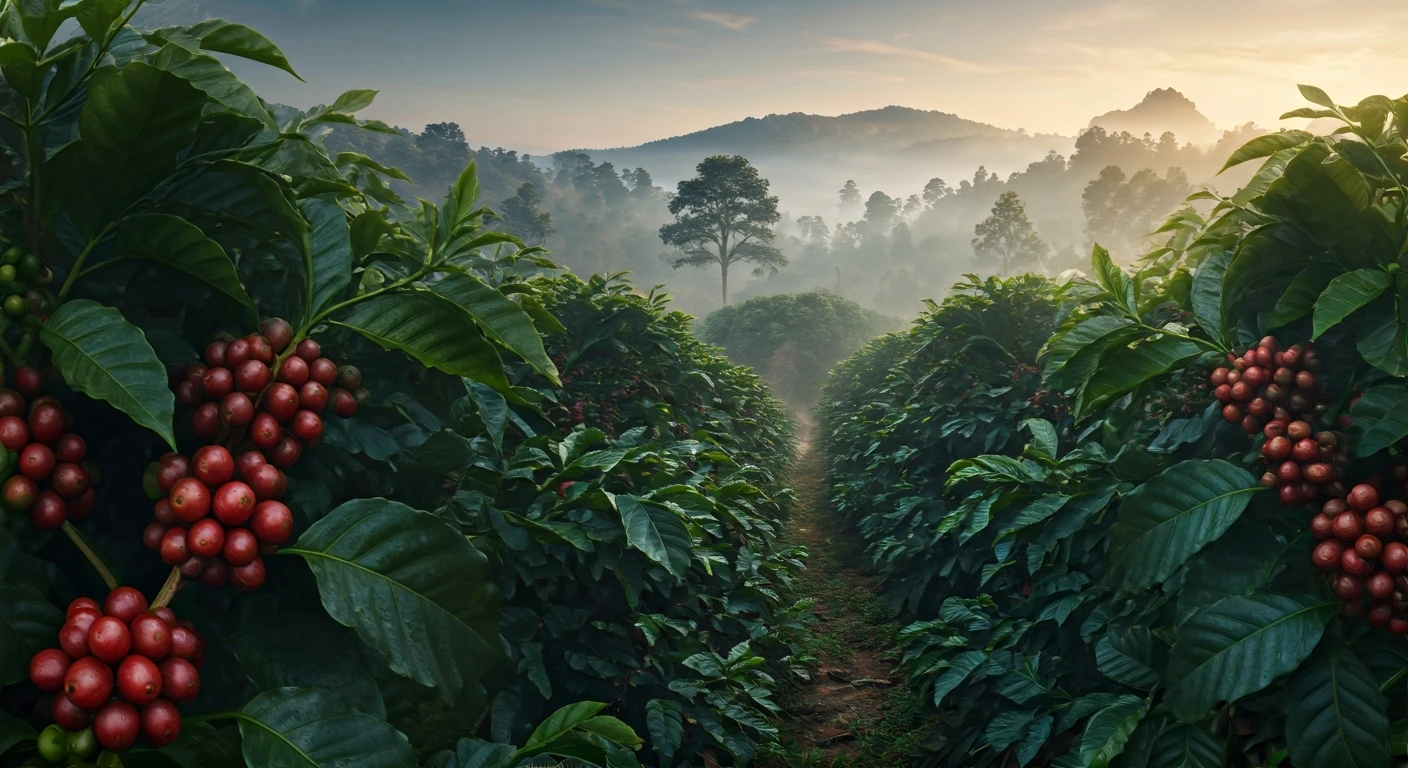
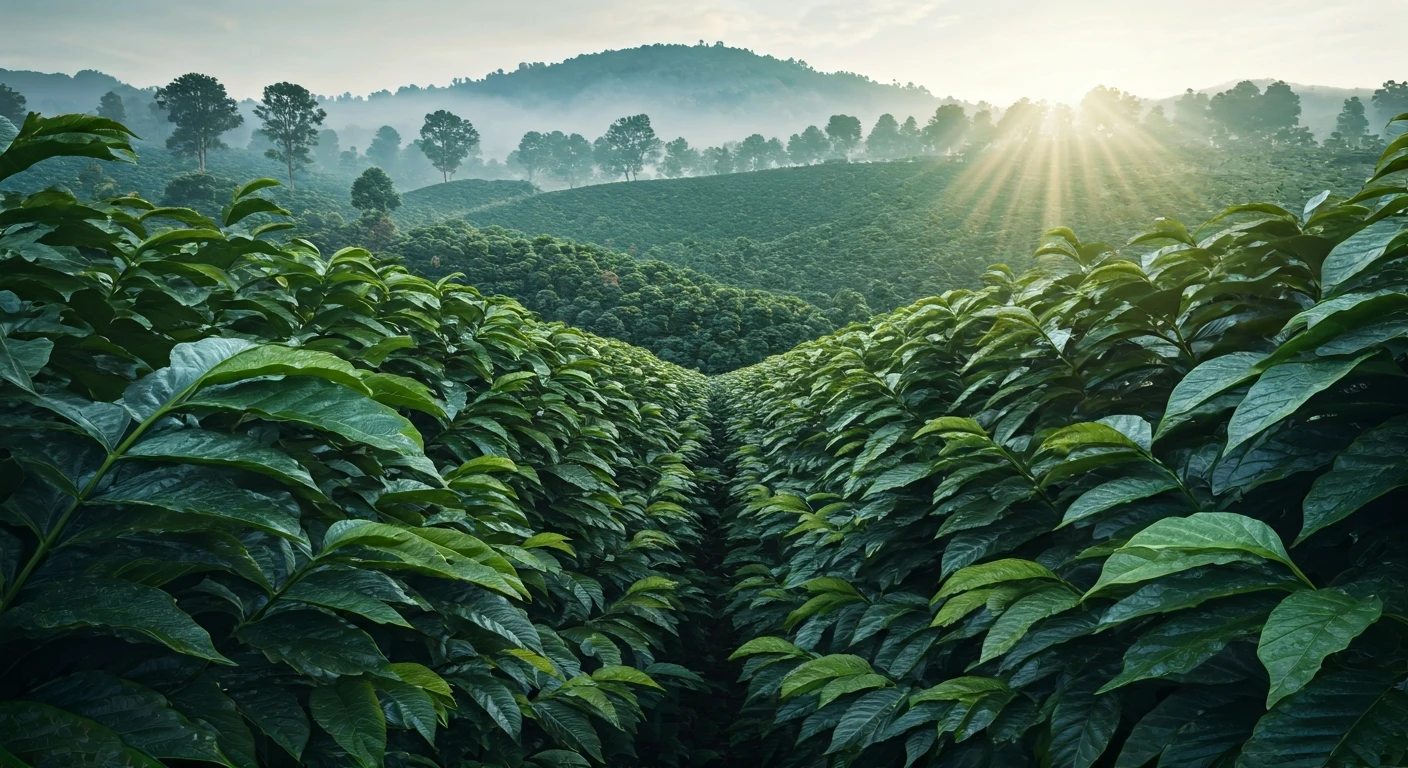
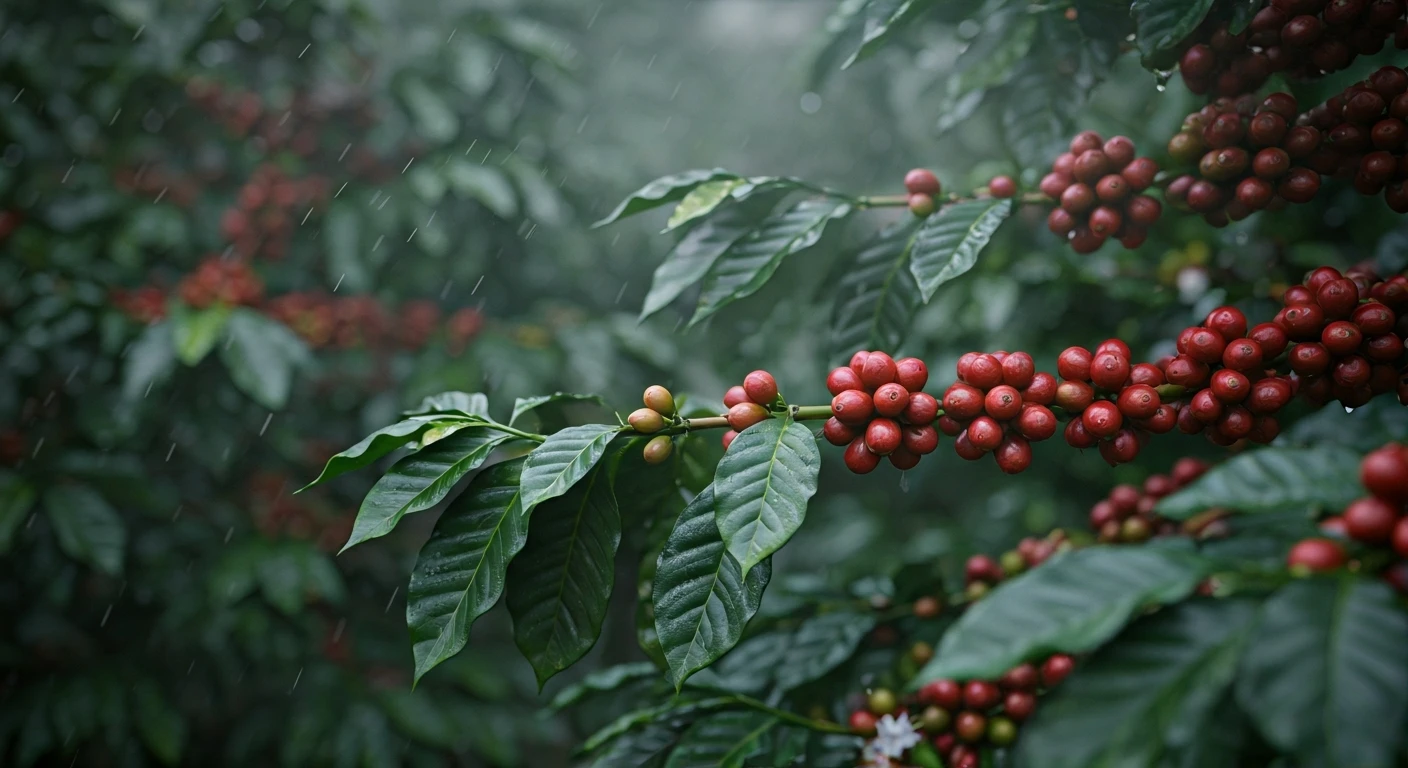
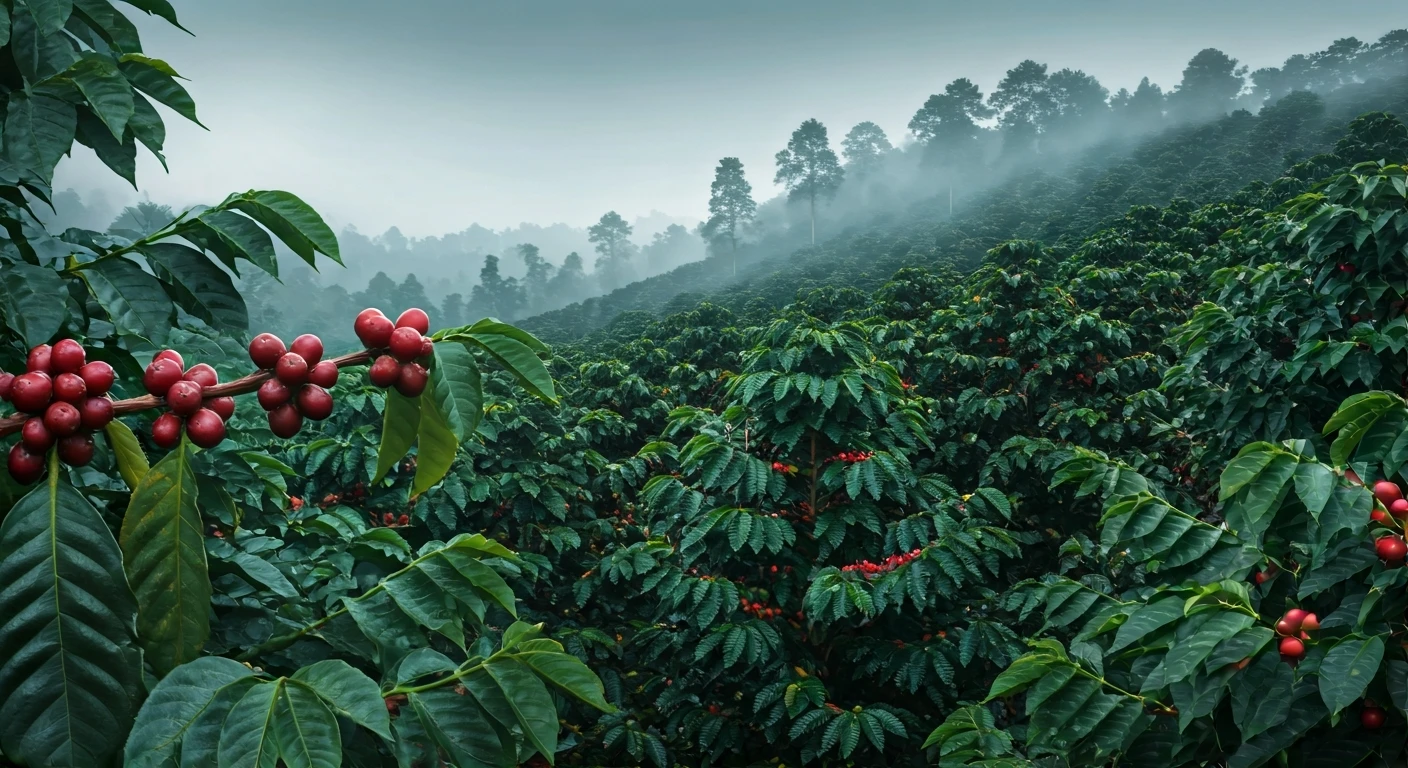
often called the “Scotland of India.” But instead of windswept moors, think rolling hills blanketed in a permanent emerald haze. The air here is thick with the scent of coffee, cardamom, and black pepper, all cultivated on sprawling, family-owned plantations that define the region's landscape and economy. For American travelers seeking a green, serene corner of a country often portrayed as chaotic, Coorg is a revelation. It’s not about grand monuments; it's about atmosphere and a deep connection to nature.
Embracing the Monsoon Transformation
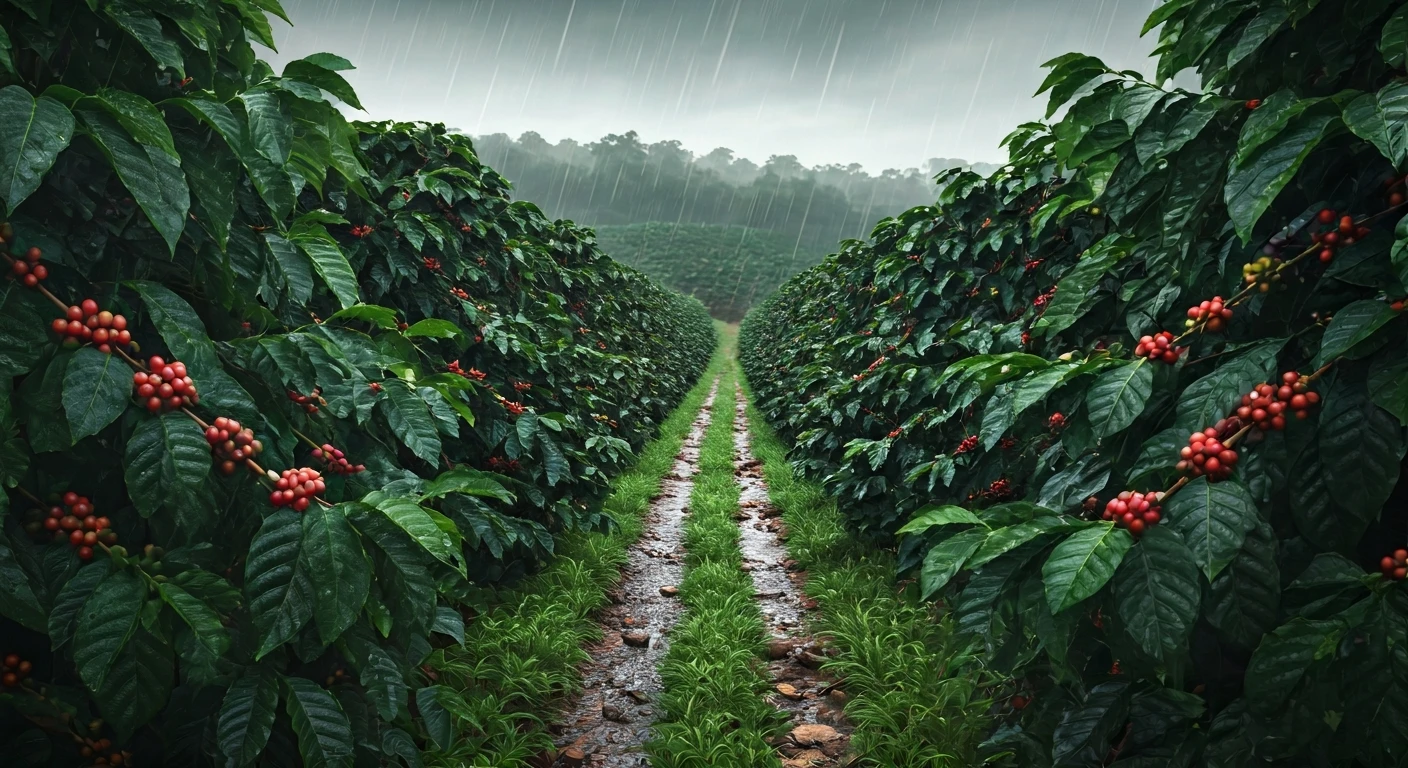
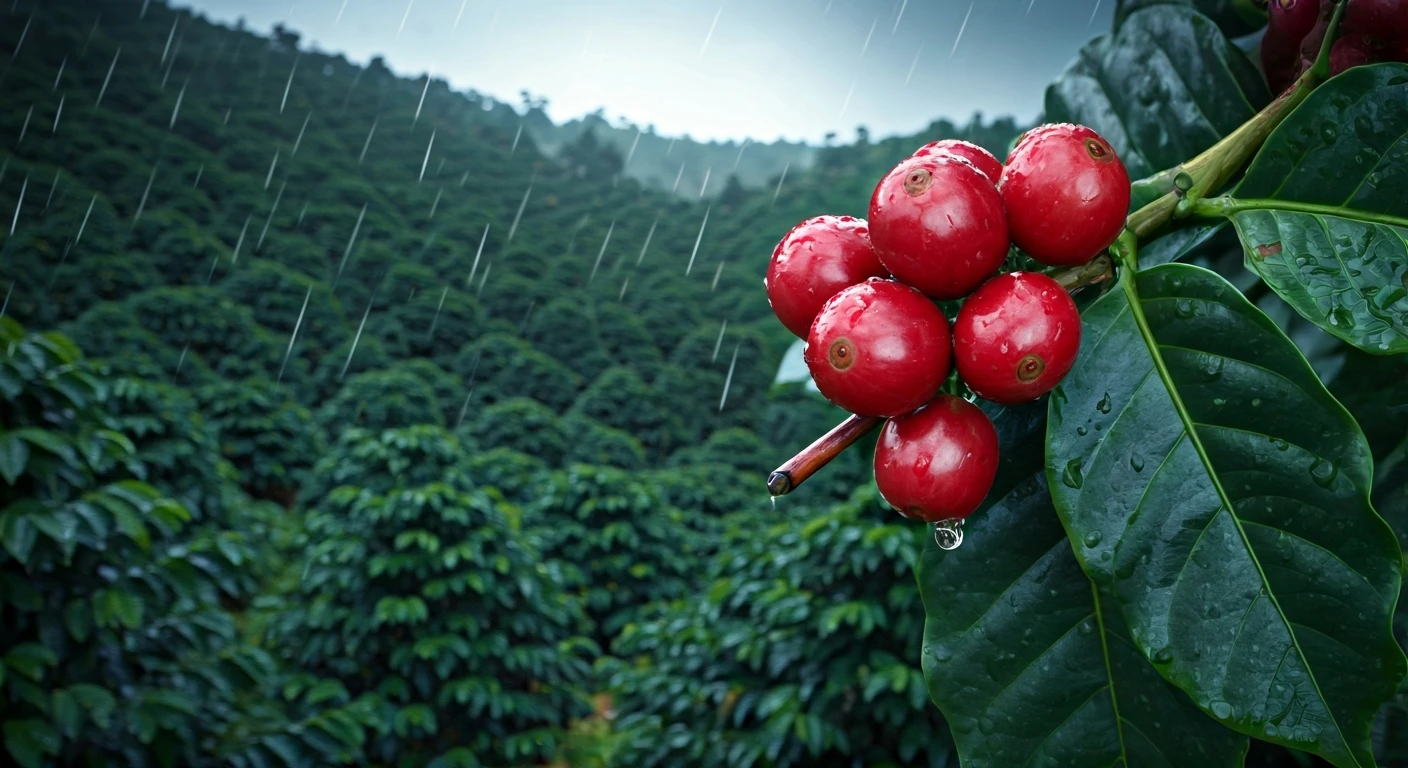
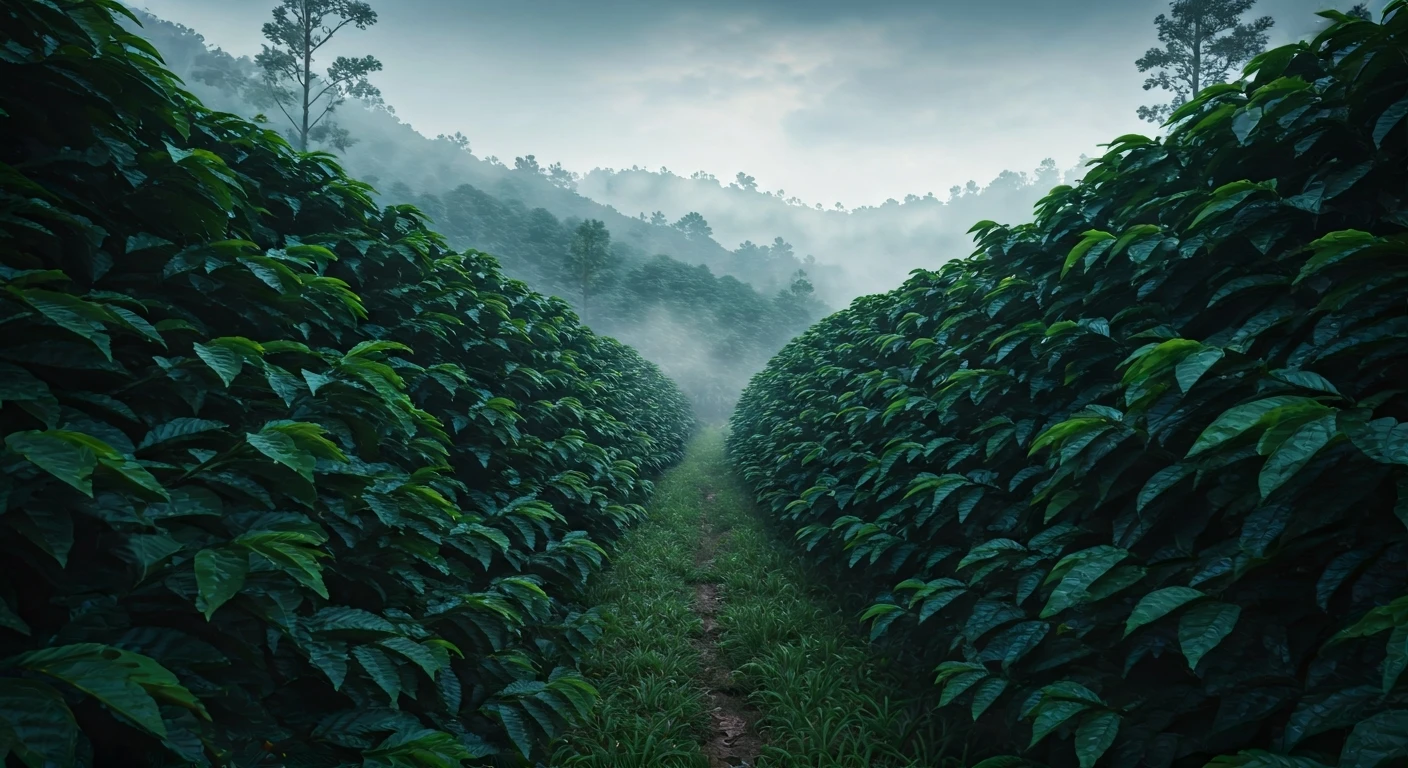
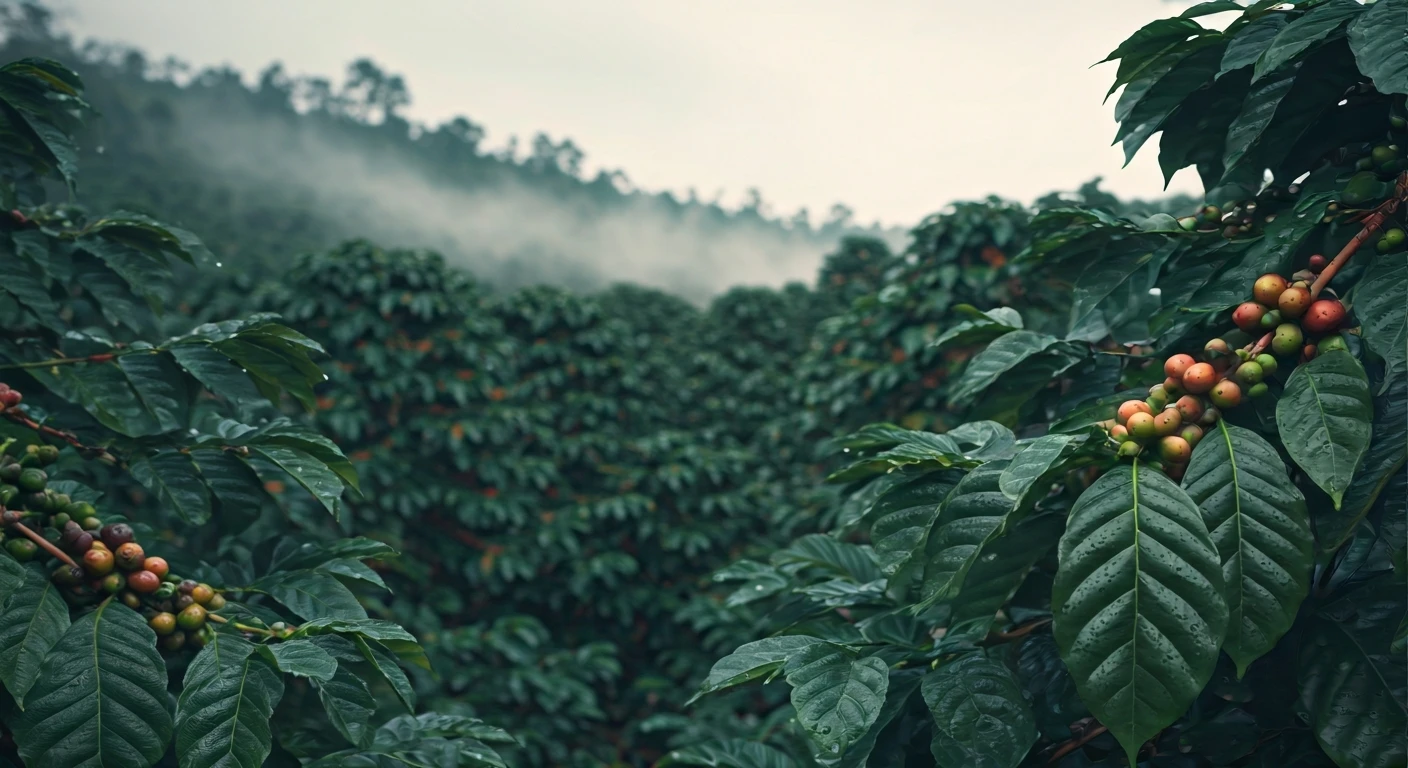
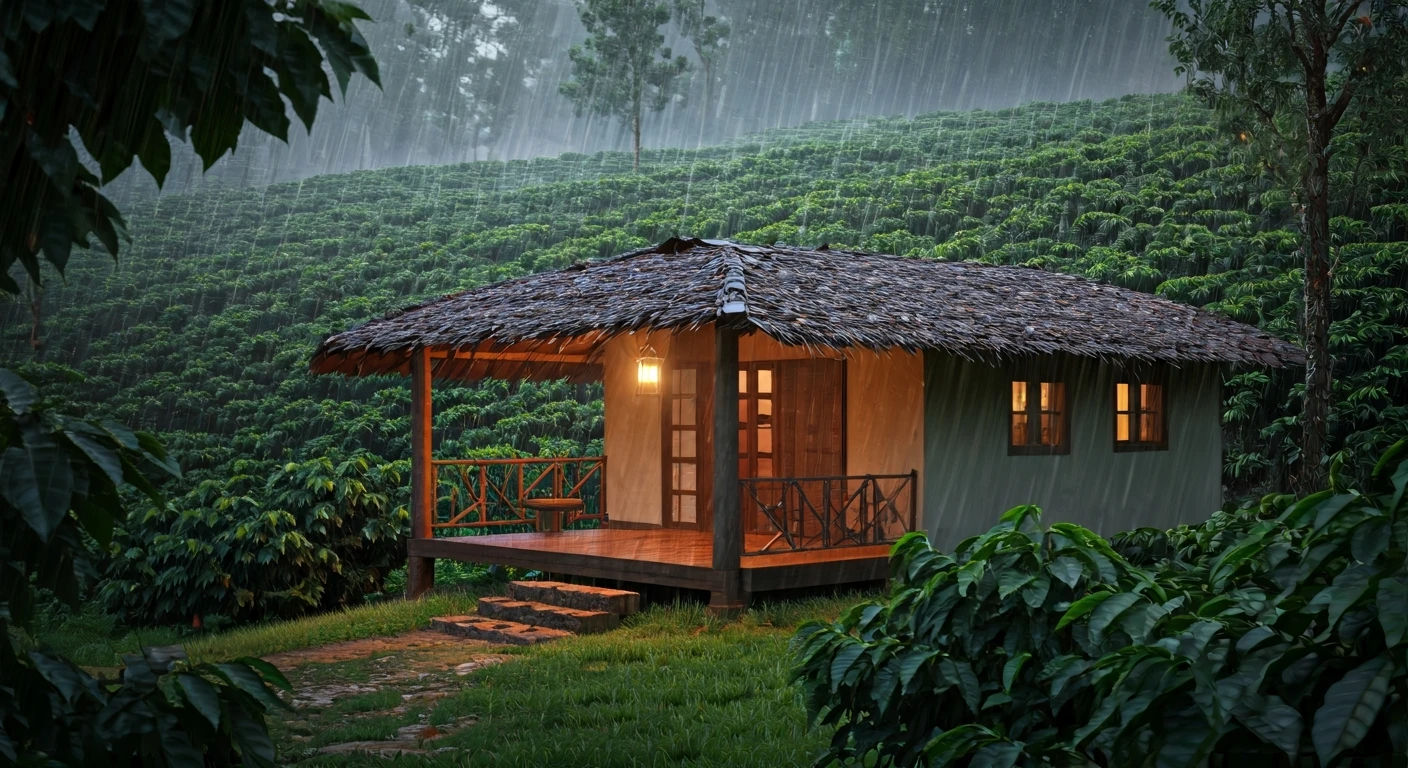
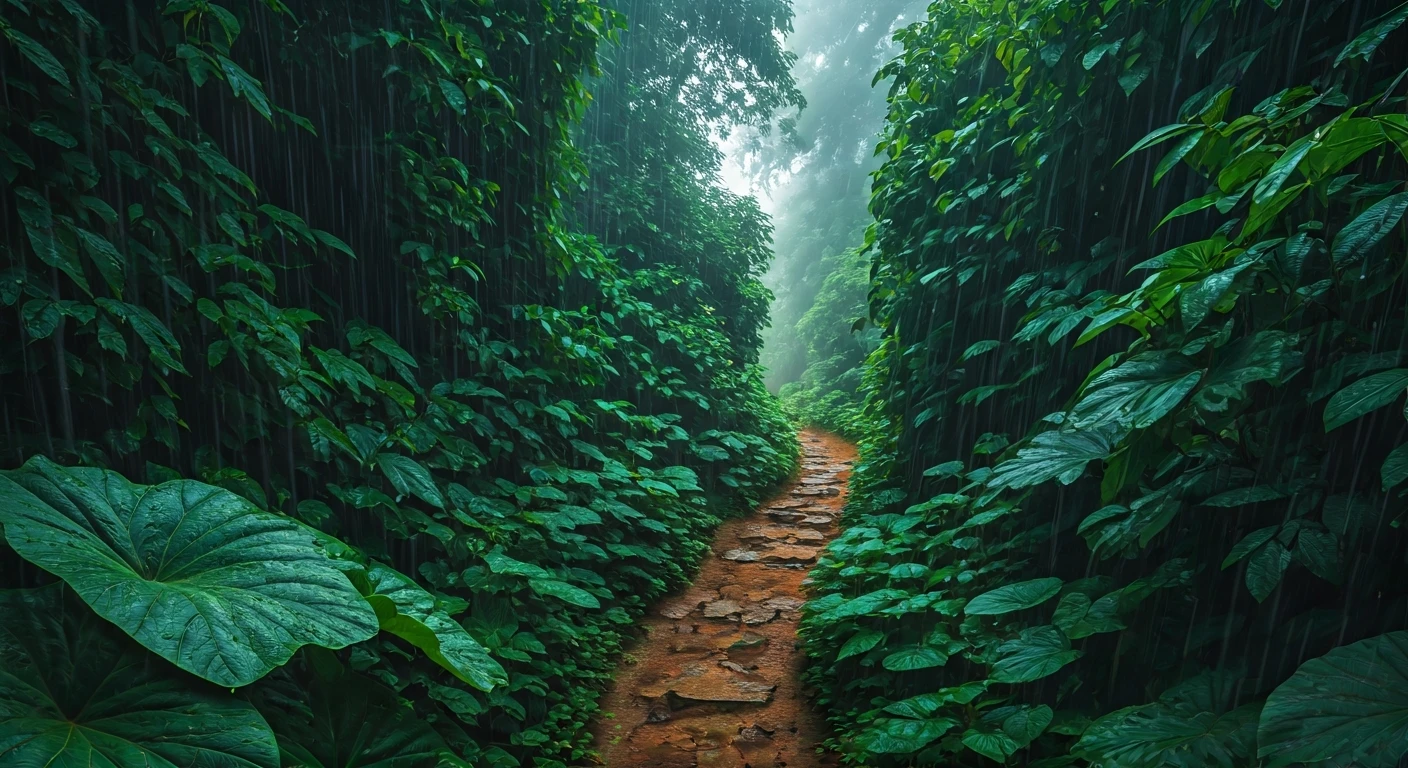
In the U.S., we plan our trips to avoid the rain. In Coorg, from June to September, the rain is the reason to go. The monsoon doesn't just sprinkle; it performs. It arrives as a dramatic, gray curtain, drenching the landscape and turning the entire region into a vibrant, living ecosystem. Waterfalls that were mere trickles in the dry season roar back to life. The endless green of the coffee plantations deepens into an impossible spectrum of emerald, jade, and olive. The world shrinks to the sound of raindrops on a tiled roof and the sight of mist weaving through the valleys below. It’s a forced slowdown, a sensory experience that asks you to stop doing and just be.
The Homestay: Your Front-Row Seat to the Show
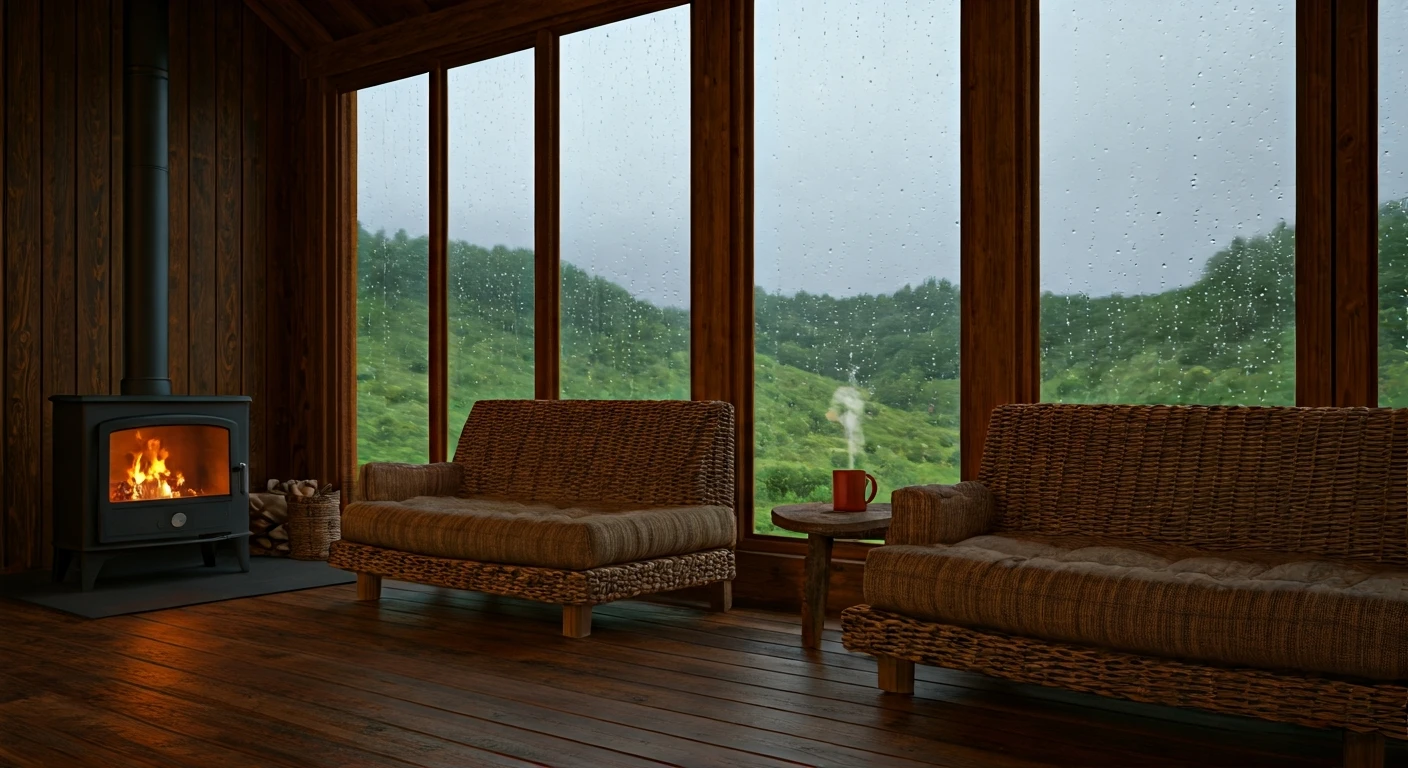
This is where the “anti-hotel” plan comes into focus. A hotel, with its hermetically sealed windows and generic, climate-controlled hallways, is designed to keep the outside out. It’s a bubble. A Coorg homestay, by contrast, is a portal. These aren't just spare rooms in a house; they are often beautifully maintained cottages or annexes on working coffee estates, run by generations of the same family. Your host is the owner, not a concierge. Your view isn’t of a parking lot, but of rain-slicked coffee bushes stretching to the horizon. The architecture is built for the weather, featuring deep verandas, courtyards, and large windows that invite the misty, cool air in. You don’t just watch the monsoon from a homestay; you live inside it, comfortably.
Cuisine as a Cure for the Rain
Forget the continental breakfast buffet. The culinary experience is arguably the homestay’s killer feature. The local Kodava cuisine is unique, known for its liberal use of pepper, spices, and, most famously, pork. Imagine sitting on a veranda, wrapped in a blanket, as a steaming bowl of Pandi Curry (a rich, dark pork dish) and Akki Roti (a flatbread made of rice flour) is brought to you, cooked in the family kitchen just a few yards away. The food is part of the experience, a warm, hearty anchor against the cool, wet weather. It’s a conversation starter with your hosts and a direct line into the local culture that no hotel restaurant, no matter how acclaimed, can truly replicate.
An Unplugged, Not Uncomfortable, Retreat
A hotel during a downpour can feel like a luxurious prison, leaving you to flick through TV channels or stare at the walls of the hotel bar. A homestay, however, redefines “things to do.” The main activity is surrender. It’s reading a book on the porch as the rain drums a rhythm on the roof. It’s taking a walk through the plantation with your host during a break in the showers to learn how coffee gets from a berry to your cup. It’s long conversations, board games, and an afternoon nap without guilt. It's an enforced digital detox where the most compelling screen is the window. This isn't about being bored; it's about embracing a different pace, finding richness in simplicity, and letting the destination’s natural rhythm become your own.