


The Ephemeral Magic of Cherry Blossoms
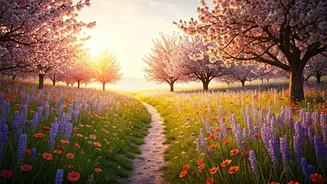
The quintessential flower holiday, cherry blossom viewing—or 'hanami' in Japan—is an exercise in appreciating fleeting beauty. For a few short weeks each spring, canopies of delicate pink and white flowers transform cityscapes. While Washington, D.C.'s
National Cherry Blossom Festival is the most famous in the U.S., drawing over a million visitors, the phenomenon isn’t limited to the capital. Macon, Georgia, boasts over 350,000 Yoshino cherry trees, while the Brooklyn Botanic Garden and Philadelphia's Fairmount Park offer their own breathtaking displays. Unlike a timeless beach, the appeal of the blossoms is their impermanence. Planning a trip requires timing and a bit of luck, making the reward of standing under a shower of petals feel earned and profoundly special.
The Overwhelming Color of Tulip Festivals
If cherry blossoms are about delicate beauty, tulip festivals are about overwhelming, joyful color. Inspired by the iconic fields of the Netherlands, several American towns with Dutch heritage have created their own world-class spectacles. The Skagit Valley Tulip Festival in Washington and the Tulip Time Festival in Holland, Michigan, are the two titans. Here, millions of bulbs erupt in precise, geometric rows of red, yellow, purple, and orange. It’s a full-sensory experience that feels like walking through a living painting. These festivals are often robust, multi-week events with parades, craft fairs, and Dutch cultural displays, making them an ideal and highly photogenic trip for families looking for more than just a place to lay a towel.
The Sensory Calm of Lavender Fields
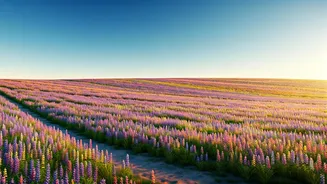
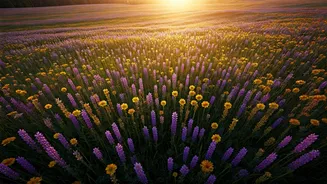
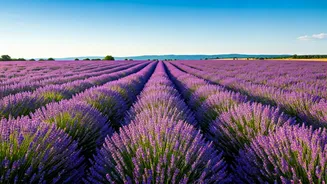
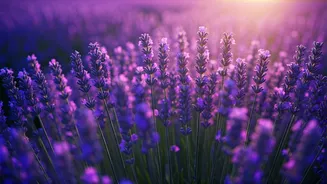
For those seeking a more tranquil and aromatic escape, lavender tourism is the answer. As much about scent as sight, a visit to a lavender farm is a direct route to relaxation. The rolling hills of Provence, France, may be the global standard, but the U.S. has its own thriving lavender scene. Sequim, Washington, is considered the “Lavender Capital of North America,” but stunning farms can be found from California's wine country to the Texas Hill Country. Visitors can wander through fragrant purple rows, participate in U-pick harvests, and shop for essential oils and soaps. It’s a wellness-focused vacation that swaps the high energy of a beach boardwalk for the gentle hum of bees and a profound sense of calm.
The Adventure of Wildflowers and Sunflowers
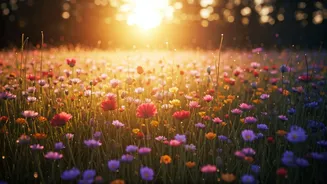
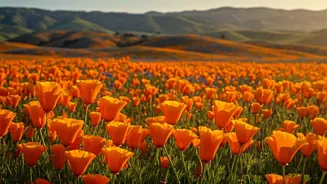
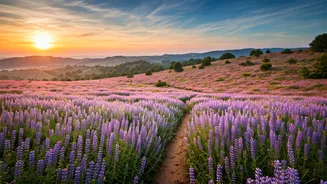
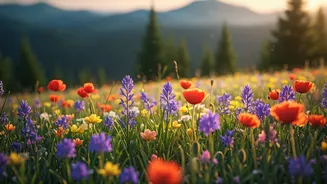
This is floral tourism at its most wild and unpredictable. Chasing a wildflower “superbloom” has become a modern pilgrimage, with travelers flocking to places like Anza-Borrego Desert State Park in California or Big Bend National Park in Texas after a wet winter triggers a spectacular explosion of desert flowers. It’s an adventure that requires monitoring weather patterns and being ready to go at a moment's notice. On a more predictable scale, sunflower mazes have popped up across the country, particularly in the Midwest. These massive fields of gold offer a joyful, immersive experience that culminates in the perfect late-summer photo op. This type of travel is for the adventurer who wants their nature a little less manicured and a lot more magnificent.
So, What’s Driving the Bloom?
The shift away from the default beach vacation isn’t just about sand-in-your-shoes fatigue. It reflects a deeper change in what we want from our time off. Firstly, there’s the search for authenticity and unique experiences in a world of cookie-cutter resorts. A flower festival is tied to a specific place and a specific time of year; it can’t be replicated. Secondly, these trips are incredibly visual and shareable, fitting perfectly with our social media-driven culture. A photo in a lavender field is the new sunset cocktail pic. Finally, after years of being stuck indoors, there’s a collective yearning for nature. Flower holidays offer a direct, beautiful, and often awe-inspiring connection to the natural world and its cycles, providing a different kind of restoration than a week by the ocean.