
More Than Just a Garnish
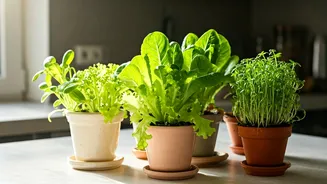
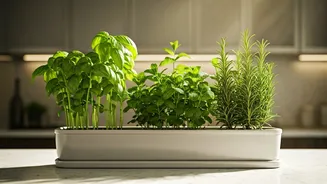
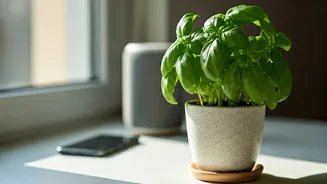
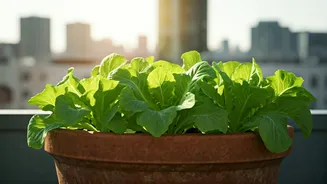
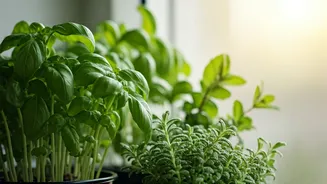
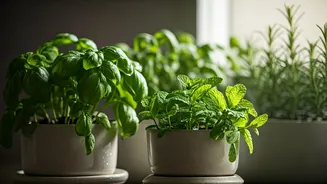
Let’s be clear: this isn’t about saving a few dollars on a plastic clamshell of basil at the grocery store. The tiny herb garden as a ‘flex’ is about curation and aesthetics. It’s the artful arrangement of terracotta pots on a sun-drenched windowsill,
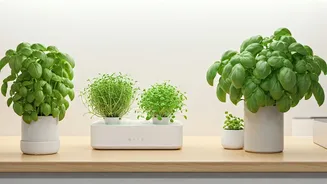
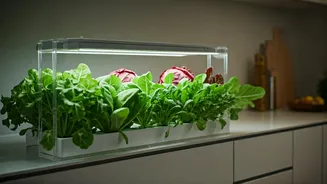
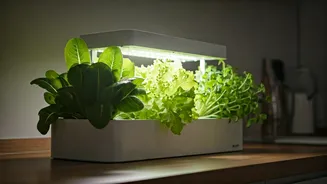
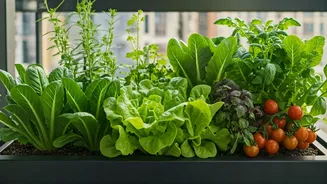
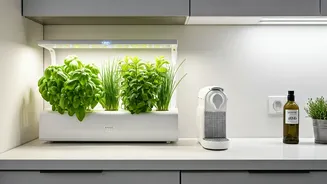
the sleek, minimalist hydroponic system glowing on a kitchen counter, or the vertical wall planter that turns a sliver of empty space into a living mosaic. It’s a design element as much as a source of food. On social media, where these tiny gardens thrive, the real brag isn't the harvest itself. It’s the lifestyle it projects: one of thoughtful domesticity, good taste, and the ability to nurture something beautiful in the concrete jungle. It says, 'I not only cook with fresh ingredients, but I also cultivate them in a photo-ready environment.'
A Low-Key Wellness Statement
In a world of constant digital noise and burnout, the act of tending to plants has become a form of accessible therapy. The new luxury isn’t a spa weekend; it's five minutes of quiet, mindful watering before you start your workday. The herb garden is a tangible connection to the natural world, a small-scale rebellion against a life lived entirely online. Successfully keeping a rosemary bush alive on a 14th-floor balcony is a testament to patience and attentiveness—qualities that feel increasingly rare and valuable. It’s a flex of mental well-being, a signal that you have your life together enough to be responsible for another living thing, even if it’s just a pot of mint. This quiet ritual offers a sense of control and accomplishment that a new pair of sneakers simply can't match.
The Sustainable Status Symbol
For a generation increasingly wary of conspicuous consumption, the herb garden offers a more virtuous way to show off. Instead of flexing what you can buy, you’re flexing what you can produce. It’s a subtle nod to self-sufficiency and a rejection of the disposable, hyper-consumerist culture. Having a tiny, productive garden—even if it just yields enough thyme for one roast chicken—sends a powerful message about your values. It says you care about where your food comes from, you’re conscious of your environmental footprint, and you prize skill over spending. This isn’t about performative austerity; it’s about aligning your lifestyle with your principles and, yes, making sure your friends and followers know about it.
Ingenuity in a Small Space
Anyone who has ever lived in a major U.S. city knows that space is the ultimate luxury. A walk-in closet is a myth, a second bathroom is a miracle, and a patch of private outdoor space is a fantasy. This is where the ‘tiny’ in ‘tiny herb garden’ becomes part of the flex. Successfully cultivating life in a 500-square-foot apartment requires creativity, research, and problem-solving. It demonstrates an ability to optimize, to innovate, and to make the most of what you have. Figuring out the perfect grow light for a shady corner or building a clever shelving unit to maximize vertical space is a showcase of practical intelligence. It’s a brag about resourcefulness, proving that you can create your own personal oasis, no matter how limited your square footage.
How to Get Started on Your Flex
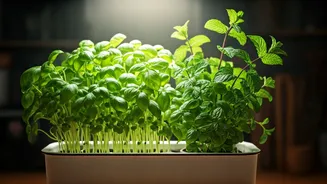
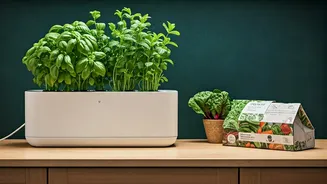
The beauty of this trend is its low barrier to entry. You don’t need a green thumb, just a little intention. The easiest starting point is a simple windowsill kit, which often comes with a planter, soil pucks, and seeds for hardy herbs like basil, mint, and parsley. For those with less-than-ideal lighting (or a higher budget), smart indoor gardens from brands like AeroGarden or Click & Grow automate the process with built-in LED lights and self-watering systems. They offer the aesthetic appeal with almost none of the risk. The key is to start small. Pick one or two herbs you actually like to cook with. The goal isn't to go off-grid; it's to add a touch of green, life, and flavor to your home. The confidence—and the bragging rights—will grow from there.