

The Non-Toxic Gold Standard
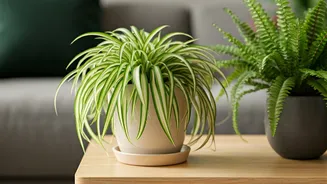
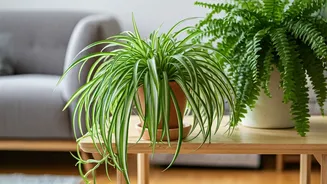
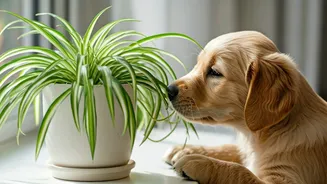
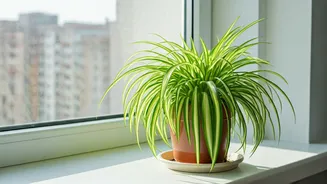
The single most important reason the spider plant (Chlorophytum comosum) earns its top-tier reputation is safety. The American Society for the Prevention of Cruelty to Animals (ASPCA) officially lists it as non-toxic to dogs, cats, and horses. For any
pet owner, this is the first and most crucial hurdle a plant must clear before being welcomed into the home. Unlike popular but perilous plants like lilies, tulips, or sago palms, a spider plant poses no risk of poisoning if your canine companion decides to investigate it with a curious nibble. This certification from a trusted animal welfare organization provides invaluable peace of mind, removing the constant worry that a moment of unsupervised play could lead to an emergency vet visit. In a world of confusing information, the spider plant’s clean bill of health is clear, simple, and reassuring.
An Air-Purifying Ally
Beyond its safety, the spider plant is a functional asset for your home environment. It gained fame from a 1989 NASA Clean Air Study, which identified it as effective at removing common indoor air pollutants like formaldehyde and xylene. While the study was conducted in a sealed lab environment—far different from a drafty home—the plant’s air-cleaning properties are still a significant bonus. Formaldehyde can be found in everyday items like furniture, paper towels, and some cleaning products, while xylene is present in solvents and paints. Having a natural, living air purifier that quietly works to filter the air your family and your dog breathe is a powerful secondary benefit. It contributes to a healthier indoor ecosystem, tackling invisible pollutants and adding a touch of green wellness to your space.
Forgiving for the Forgetful Gardener
A plant’s benefits don’t matter much if you can’t keep it alive. This is where the spider plant truly shines as a 'green asset'—it’s famously resilient and low-maintenance. For busy dog owners who already have their hands full with walks, feeding, and training, a demanding plant is the last thing they need. Spider plants are incredibly forgiving. They tolerate a wide range of light conditions (though they prefer bright, indirect light), can bounce back if you forget to water them occasionally, and are not fussy about humidity. They also propagate readily by producing 'spiderettes,' or baby plants, that can be easily potted to create new plants. This hardiness means you can enjoy the aesthetic and health benefits without adding another major responsibility to your plate. It's the perfect plant for someone who wants the green without the grief.
A Quick Word of Caution
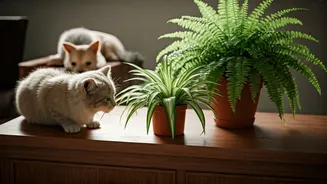
While the spider plant is non-toxic, it’s not a vegetable. The dangling leaves and baby 'spiderettes' can be very tempting for a playful dog (or cat) to bat at and chew on. If your dog ingests a large quantity of the leaves, it can lead to mild gastrointestinal upset, such as vomiting or diarrhea. This is not a sign of poisoning but rather the simple result of a stomach not designed to digest that much plant matter. Furthermore, some say the plant has a very mild, non-harmful hallucinogenic effect on felines, which is why cats are often particularly drawn to it. To be safe, it's best to place your spider plant in a hanging basket or on a high shelf, out of easy reach of a bored or overly curious pup. This allows you to enjoy all its benefits without having to clean up a minor mess.