






More Than Just a Garden Plot
When you hear “urban agriculture,” you might picture a small community garden or a few tomato plants on a balcony. While that’s part of the story, a formal degree in the field prepares students for something far more complex and technologically advanced.
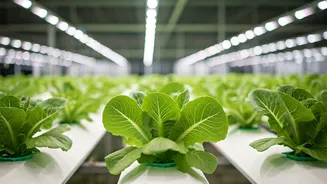
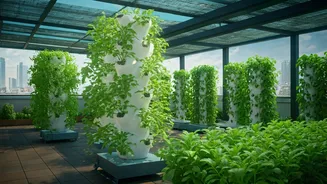
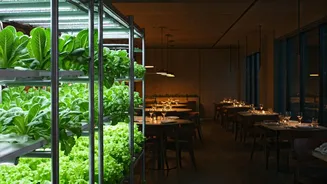
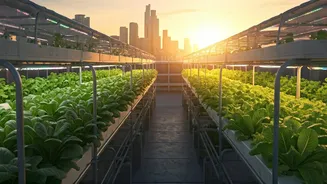
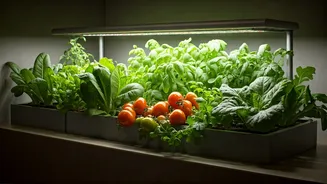
Today’s urban agriculture is about creating controlled-environment agriculture (CEA) systems like vertical farms, where crops are grown indoors in stacked layers without soil, using LED lighting and precise nutrient delivery. It’s about hydroponics, aquaponics (a system combining fish and plants), and aeroponics. These programs blend botany and biology with engineering, data analytics, and resource management. Students aren’t just learning how to grow food; they’re learning how to design, build, and manage sophisticated food production ecosystems within the dense fabric of a city.
Solving Urgent Urban Problems
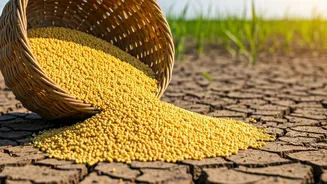
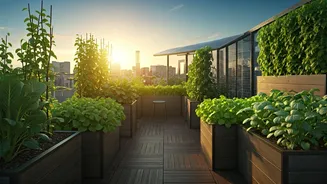
The rising interest in these degrees is directly tied to the pressing challenges modern cities face. Urban agriculture offers tangible solutions to several of them. First is food security. Many urban neighborhoods are “food deserts,” where residents lack access to affordable, fresh produce. Urban farms can bring healthy food directly into these communities, shortening supply chains and increasing access. Second is sustainability. By growing food where people live, urban agriculture drastically reduces transportation costs and emissions. Advanced systems also use significantly less water than traditional farming and can help cities manage organic waste by turning it into compost. Graduates with these skills are seen as key players in building more resilient, self-sufficient, and equitable cities.
The Rise of the Green-Collar Job
A degree in urban agriculture is no longer a niche passion project; it’s a pathway to a growing number of “green-collar” careers. The job market for graduates is surprisingly diverse. They’re being hired as vertical farm managers, overseeing the complex operations of high-tech indoor farms that can supply entire grocery chains. They work as food policy advisors for city governments, helping to shape zoning laws and create incentives for urban food production. Non-profits hire them to run community-based food programs and educational workshops. Others find roles in the burgeoning ag-tech sector, developing the next generation of sensors, software, and hardware for controlled environments. This isn’t just about farming—it’s about business management, community organizing, public policy, and technological innovation.
A Degree in Systems Thinking
Perhaps the most valuable aspect of an urban agriculture degree is that it teaches systems thinking. You can’t just be a good botanist; you also have to understand economics, logistics, public health, and social justice. A successful urban farm isn’t just about the plants—it's about its integration into the local economy, its impact on community health, and its ecological footprint. University programs are designed to be interdisciplinary, often housed within colleges of agriculture but with strong ties to engineering, business, and urban planning departments. This holistic approach produces graduates who can see the big picture and connect the dots between food, technology, environment, and community. In a world of complex, interconnected problems, people who can think across disciplines are exactly what employers are looking for.