






The New Morning Rush
In South Delhi's leafy Lodi Gardens, a space famed for its 15th-century tombs, the dawn scene has radically changed. Where morning walkers once strolled, packs of runners now clock their 10Ks. Across the city, in upscale neighborhoods like Greater Kailash
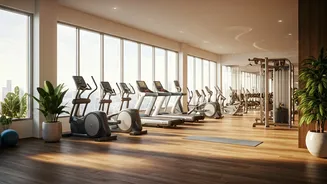
and Vasant Kunj, the shutters of boutique fitness studios roll up, revealing not dusty weight rooms, but sleek, branded spaces dedicated to CrossFit, Pilates, and high-intensity interval training (HIIT). This isn’t a fringe activity; it’s the new social fabric. The city's air, often thick with smog and spice, now also carries the distinct, energetic hum of a population obsessed with getting its sweat on. From outdoor bootcamps under the shadow of Mughal-era architecture to packed yoga studios offering power vinyasa, Delhi is in the midst of a full-blown fitness revolution.
A New Kind of Status Symbol
For a growing segment of Delhi’s population, a gym membership has become as much a status symbol as a luxury car or a designer handbag. In a rapidly modernizing India, fitness is the new currency of aspiration. It signals discipline, affluence, and a globally-attuned mindset. The trend is most visible among the city's burgeoning class of young professionals, armed with disposable income and shaped by Western media and social-media influencers. They aren't just joining gyms; they're investing in personal trainers, meticulously tracking macros on nutrition apps, and sporting the latest athleisure wear. Posting a sweaty post-workout selfie from a trendy studio is a powerful social signifier, a declaration that one is part of a modern, health-conscious, and upwardly mobile tribe.
From Akhadas to CrossFit
India has a rich, ancient history of physical culture. For centuries, wrestling schools known as *akhadas* have trained men in traditional grappling, and yoga has been a cornerstone of spiritual and physical well-being. But the new wave is different. It’s less about tradition and more about trends. While traditional yoga remains popular, it’s now often packaged in more commercialized, Westernized formats. The new sweat hub culture prioritizes measurable performance—heavier lifts, faster times, and visible results—over the more holistic, meditative approaches of the past. It represents a cultural shift from community-based, often rustic, training methods to an individualized, consumer-driven fitness market modeled on what’s popular in Los Angeles or New York.
The Business of Burpees
Where a cultural trend emerges, a market quickly follows. Delhi’s fitness boom has spawned a thriving ecosystem of businesses. International gym chains are expanding, but the real story is the explosion of local, specialized studios that charge premium prices for a boutique experience. Supplement stores selling whey protein and pre-workout formulas are now common sights in neighborhood markets. A new generation of Indian fitness influencers has amassed millions of followers on Instagram and YouTube, creating careers as online coaches and brand ambassadors. This economic engine is helping to formalize a previously fragmented industry, creating jobs and catering to a clientele that is willing to pay for quality and expertise.