

Embrace the Power of Yogurt
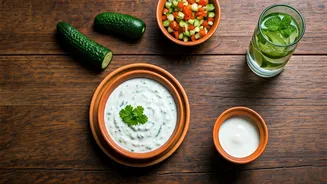
In the landscape of Indian summer cooking, yogurt—or *dahi*—is the undisputed star. It’s not just a side dish; it’s a cooling, probiotic-rich foundation for countless meals that require no heat at all. The most common application is *raita*, a simple
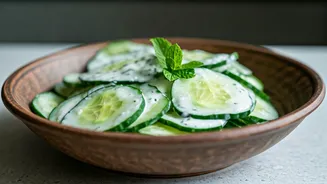
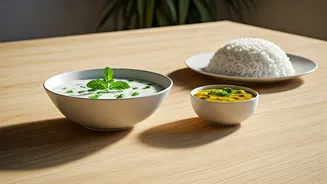
yogurt dip that can be customized with a variety of grated or finely chopped raw vegetables. A classic cucumber and mint raita is instantly refreshing, while one with grated carrots and a pinch of roasted cumin offers a slightly sweeter, earthier note. You can also mix in *boondi* (tiny, fried chickpea flour balls) for a delightful textural contrast. Beyond a side dish, thinned, spiced yogurt becomes a savory, hydrating drink. In North India, it’s known as *chaas*, often seasoned with black salt, cumin, and cilantro. In the South, it’s *neer mor*. Both are designed to replenish electrolytes and cool the body from the inside out.
Discover No-Cook Salads and Lentils
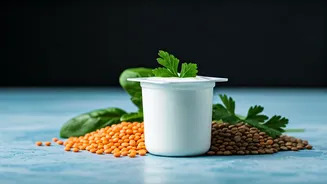
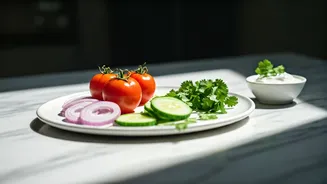
The American concept of a salad—lettuce, dressing, croutons—barely scratches the surface of what’s possible. Indian cuisine features an entire category of vibrant, crunchy, no-cook salads called *koshimbir* or *kosambari*. These are often built around soaked lentils, like split mung beans (*moong dal*), which soften to a pleasant, toothsome texture without any cooking. A classic South Indian kosambari combines soaked moong dal with grated carrots, fresh coconut, and chopped cucumber, all brought together with a squeeze of lime juice and a tempering of mustard seeds and curry leaves (the tempering is a 30-second affair that adds immense flavor). Other variations use sprouted beans, chickpeas, or finely chopped onions and tomatoes (*kachumber*) to create a salsa-like relish that pairs perfectly with any meal, adding freshness and crunch without any effort.
Rethink Grains and Leftovers
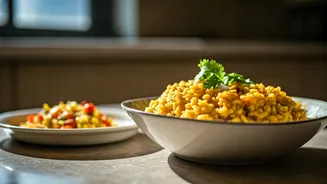
Even staple grains get a no-cook summer makeover. In Bengal and other parts of Eastern India, *panta bhat* is a cherished summer meal made from leftover rice soaked in water overnight. The rice ferments slightly, creating a tangy, cooling gruel that’s often eaten with a simple side of salt, onions, chilies, and perhaps a piece of fried fish from the previous day’s meal. It’s a brilliant example of peasant-style ingenuity. Similarly, leftover rotis or chapatis can be torn into pieces and used as the base for a quick *chaat*. Simply top the pieces with yogurt, finely chopped onion and tomato, a sprinkle of chaat masala, and a drizzle of tamarind and mint chutneys. It transforms a dry leftover into a thrillingly complex and refreshing snack in minutes, no heat required.
Rely on Chutneys and Pickles
One of the secrets to making simple, raw ingredients taste extraordinary is the use of powerful condiments. Fresh chutneys and pickles (*achaar*) can elevate a humble plate of cucumber slices or a bowl of plain yogurt into a satisfying meal. A vibrant green chutney made from blitzing fresh cilantro, mint, ginger, green chilies, and lime juice in a blender is an all-purpose flavor bomb. It adds a zesty, cooling kick to sandwiches, salads, or anything else on your plate. Similarly, a sweet and tangy tamarind-date chutney provides a perfect counterpoint. These condiments can be made in a batch and stored in the fridge for a week, giving you instant access to complex flavor that makes minimal-effort meals feel intentional and delicious. They are the ultimate low-effort, high-reward kitchen hack for surviving the summer.