







More Than a Caffeine Fix
In a country where chai has long been the undisputed king of beverages, a quiet revolution is brewing. For generations, social life revolved around quick sips of sweet, milky tea from street-side stalls or family living rooms. But for India’s urban Gen
Z, a different kind of ritual is taking hold. They’re flocking to a new breed of specialty coffee shops—brands like Blue Tokai, Third Wave Coffee, and even a premium-focused Starbucks—not just for a caffeine kick, but for a place to belong, to be seen, and to perform. This isn't your parents' Udupi restaurant or your grandparents' chai tapri. This is a curated experience, and in this space, everyone has the chance to be the protagonist of their own story.
The Search for a "Third Place"
For many young Indians, urban life is a paradox of constant connection and a surprising lack of personal space. Multi-generational households are common, and privacy can be a luxury. Cafes have emerged as the essential “third place”—a neutral, comfortable zone that is neither home nor work. It’s where you can have a first date without family members hovering, collaborate on a startup idea without renting an office, or simply sit alone with a book and feel part of a community. These coffee shops offer a degree of autonomy that is hard to find elsewhere. They provide a reliable backdrop for the messy, exciting, and formative years of early adulthood, offering Wi-Fi, good lighting, and a tacit understanding that you can linger for hours.
An Aesthetic Built for the ‘Gram
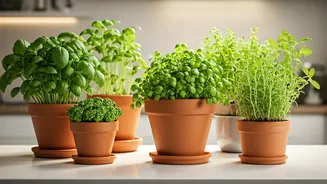
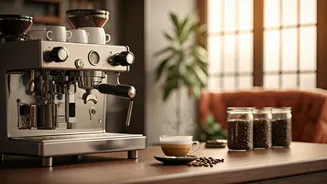
Here’s where the “main character energy” truly comes into play. The success of these new-wave cafes isn’t just about the quality of their single-origin pour-overs; it’s about their impeccable aesthetic. Think minimalist decor, exposed brick, warm wooden furniture, and artfully placed potted plants. Every corner is designed to be photogenic, providing the perfect backdrop for an Instagram story, a LinkedIn headshot, or a TikTok montage. The coffee cup itself, often branded with a cool logo, becomes a prop. In this context, ordering a flat white is an act of identity curation. It signals that you are modern, globally aware, and have a certain level of cultural capital. The cafe becomes a film set, and patrons are both the audience and the stars, performing a version of their ideal selves for a digital audience.
A New Status Symbol
Let’s be clear: chai is not going anywhere. It remains the affordable, ubiquitous lifeblood of the nation. But specialty coffee occupies a different space entirely. A single cappuccino can cost as much as 15 or 20 cups of street-side chai, instantly positioning it as an aspirational product. For a generation that grew up with global media and has more disposable income than any before it, spending on experiences like a high-end coffee outing is a powerful status symbol. It’s a quiet declaration of being part of a new, upwardly mobile, globalized India. It's less about rejecting traditional culture and more about adding a new, globally fluent layer on top of it. This new coffee culture isn’t replacing a national habit; it’s creating a parallel one for a specific, and growing, demographic.