


Start with Your Wipers
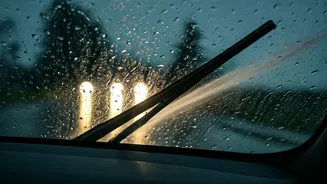
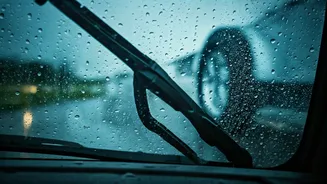
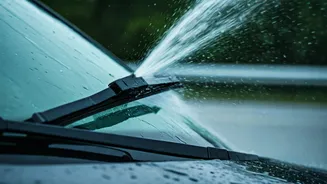
This seems obvious, but most drivers wait until their wipers are screeching and smearing to replace them. Don't be that driver. Wiper blades are made of rubber, which degrades over time due to sun exposure and temperature changes. A good rule of thumb
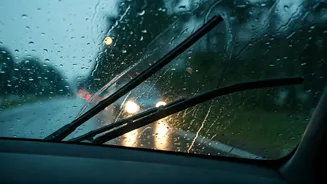
is to replace them every six to twelve months. When you do, consider upgrading to a beam-style blade, which provides more uniform pressure against the windshield for a cleaner wipe. But replacement is only half the battle. Your blades won't work well on a dirty windshield. Regularly clean your glass to remove grime and road film. Also, take a moment to wipe the rubber blades themselves with a cloth dampened with windshield washer fluid. This removes grit that can cause streaking and damage the blade’s edge.
Make Rain Vanish from Glass
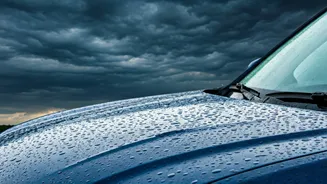
One of the best-kept secrets for rain-ready driving is a hydrophobic glass treatment. Products like Rain-X work by creating an invisible, super-slick coating on your windshield. Instead of flattening out and obstructing your view, rainwater beads up into tight spheres and rolls right off. At highway speeds, you may find you barely need your wipers at all. Application is key. Start with a perfectly clean and dry windshield. Apply the treatment with a microfiber cloth in a circular, overlapping motion. Let it dry to a haze, then apply a second coat for maximum effect. Once the second coat has hazed over, buff it all off with a clean, dry cloth until the glass is crystal clear. This trick isn't just for the windshield—apply it to your side and rear windows and even your side mirrors for all-around visibility.
Banish Interior Fog Instantly
Driving in the rain often means battling a foggy interior, which is just as dangerous as a blurry exterior. Fog happens when warm, moist air inside your car hits the cold glass. Your car’s climate control system is your best weapon here. Turn on your air conditioner, even if you also have the heat on. The A/C system acts as a dehumidifier, pulling moisture out of the cabin air. Direct the vents toward the windshield for the fastest results. If your car has a dedicated defroster button (often marked with a windshield icon), use it—this automatically engages the A/C and directs air to the glass. For a low-tech backup, the old-school shaving cream trick actually works. Apply a small amount of standard foam shaving cream to the inside of your windows, wipe it across the entire surface, then buff it off completely with a clean towel. The leftover surfactant film prevents water droplets from forming.
Check Your Tires' Grip
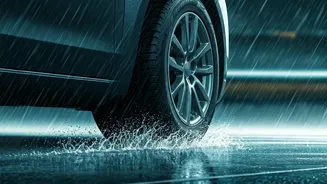
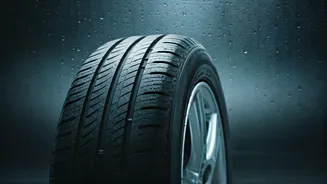
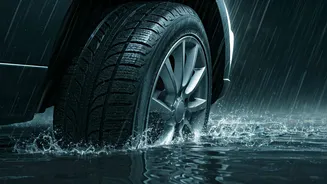
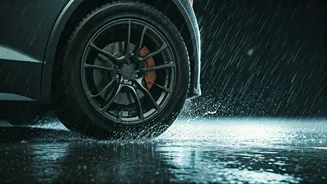
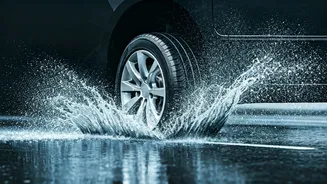
Your tires are your car’s only connection to the road, and their ability to channel water away is critical to preventing hydroplaning. You don't need special tools to check your tread depth; you just need a penny. Take a penny and place it upside down in one of your tire’s main grooves. If you can see all of Abraham Lincoln's head, your tread is worn down to a dangerous level (less than 2/32 of an inch) and it's time for new tires. For a better margin of safety, some experts suggest using a quarter. If you can see the top of George Washington's head, your tread is getting low. Also, check your tire pressure at least once a month. Underinflated tires can't cut through standing water as effectively and can increase your risk of losing control.
Restore Your Headlights' Power
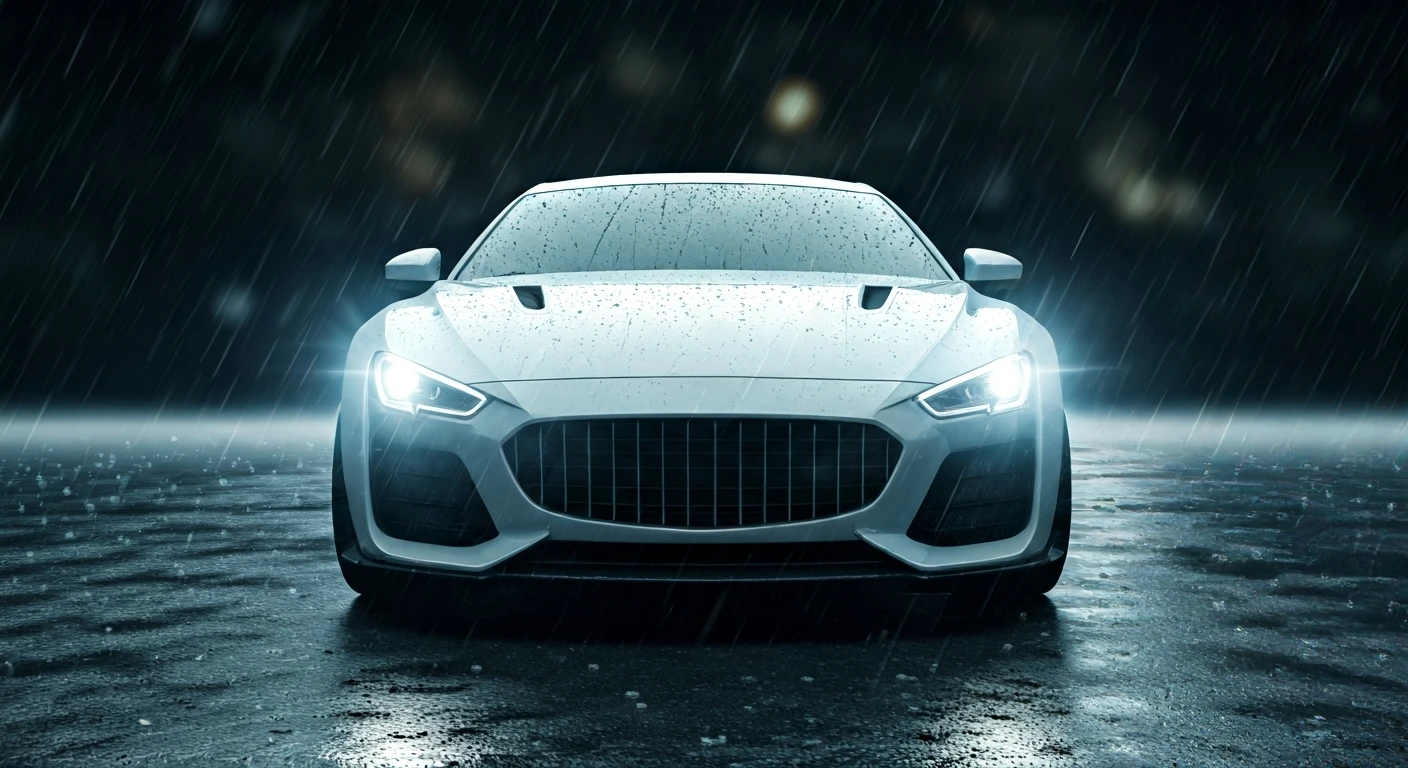
Rainy conditions, especially at dusk or at night, dramatically reduce visibility. This problem is made much worse by cloudy, yellowed headlight lenses. Over time, the protective coating on plastic headlights gets oxidized by UV rays, which scatters the light beam instead of focusing it down the road. You can easily fix this. Auto parts stores sell affordable headlight restoration kits that include a series of fine-grit sandpaper and polishing compounds. The process involves wet-sanding the oxidized layer off and then polishing the plastic back to a crystal-clear shine. Most kits also include a UV sealant to apply at the end, which protects the lens and keeps it clear for much longer. A 30-minute restoration job can double the effective brightness of your headlights, making it far easier to spot hazards in a downpour.