


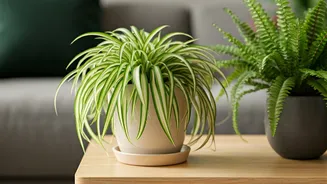


The Pet-Safe Greenery You’ve Been Searching For
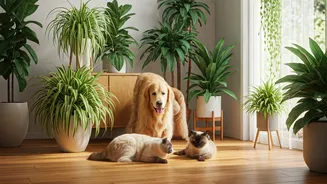
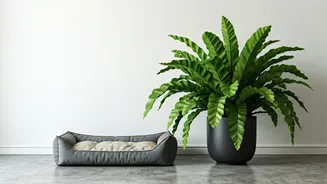
The single most important feature of the Boston fern (Nephrolepis exaltata) for animal lovers is its safety. According to the American Society for the Prevention of Cruelty to Animals (ASPCA), this plant is non-toxic to dogs, cats, and horses. This designation
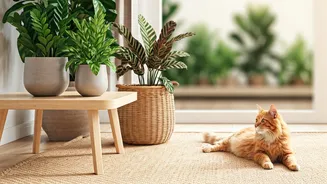
provides immediate peace of mind. While you should always discourage your pets from habitually chewing on any plant, a curious nibble or playful bat at a Boston fern’s fronds won't result in a frantic, late-night call to the veterinary emergency room. This freedom from worry is the foundation of a truly relaxing home environment. You can place them on a low table or let their fronds brush the floor without the constant anxiety that comes with keeping hazardous plants like lilies or dieffenbachia out of reach. It allows you to integrate greenery into your living space fully, not just on the highest, most inaccessible shelves.
How They Create a Softer Aesthetic
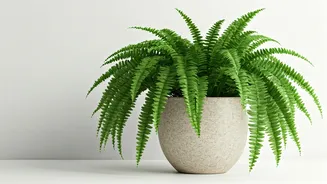
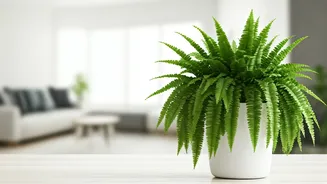
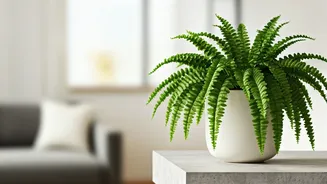
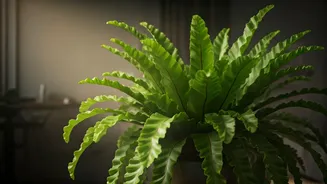
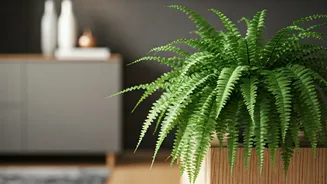
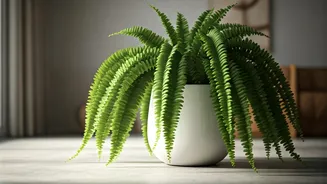
The headline’s claim that these ferns make a room “feel softer” isn’t just poetic language—it’s rooted in their physical form. Boston ferns are defined by their long, arching fronds covered in tiny, delicate leaflets. This creates a feathery, cascading effect that provides a powerful visual contrast to the hard lines and sharp angles common in modern homes. Think about the rigid shapes of furniture, window frames, and electronics. A Boston fern’s gentle, drooping silhouette breaks up that severity, introducing an organic, natural form that feels calming and serene. Their vibrant, uniform green color adds a splash of life without being visually jarring. Placed in a corner, the fern’s expansive shape can make the space feel fuller and more lived-in. Suspended from the ceiling, its trailing fronds create a soft, verdant canopy. This ability to literally soften the edges of a room is what makes them a designer’s staple for creating inviting, comfortable spaces.
Caring for Your Boston Fern
A thriving fern is a beautiful fern, but many people are intimidated by their reputation for being fussy. The truth is, they simply have specific preferences that are easy to meet once you understand them. Boston ferns are native to subtropical and tropical environments, so their ideal home mimics those conditions. First, they hate drying out. Their soil should be kept consistently moist but not waterlogged—think of a wrung-out sponge. Check the soil every few days and water thoroughly when the top inch feels slightly dry. Second, they crave humidity. A bathroom with a shower is a perfect location, but you can also place your fern on a pebble tray with water or use a small humidifier nearby. Crispy, brown edges on the fronds are a classic sign that the air is too dry. Finally, light is crucial. They need bright, indirect sunlight. A spot near an east-facing window or a few feet back from a south- or west-facing window is ideal. Direct, hot sun will scorch their delicate fronds, while deep shade will lead to sparse, sad-looking growth.
Styling Ideas for Any Room
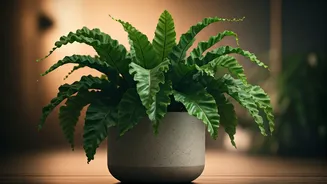
To get the most out of your Boston fern’s graceful shape, consider how you display it. One of the most classic and effective methods is a hanging basket. This allows the fronds to cascade freely, creating a stunning living sculpture. It also has the added benefit of keeping the plant up and away from a particularly destructive puppy or kitten who might see it as a toy. Another great option is placing it on a dedicated plant stand or a tall pedestal. Elevating the fern lets its shape be fully appreciated and prevents it from looking squashed on the floor. In a living room, a healthy fern can serve as a “living end table” next to a sofa. In a bedroom, its calming presence can contribute to a more restful atmosphere. Don't be afraid to let it be a statement piece. A large, well-cared-for Boston fern can anchor a room’s decor and become a focal point that breathes life into your home.