




From Soil and Soul to Silicon
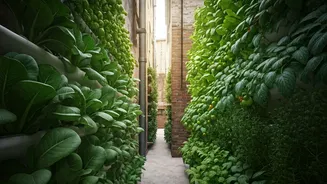
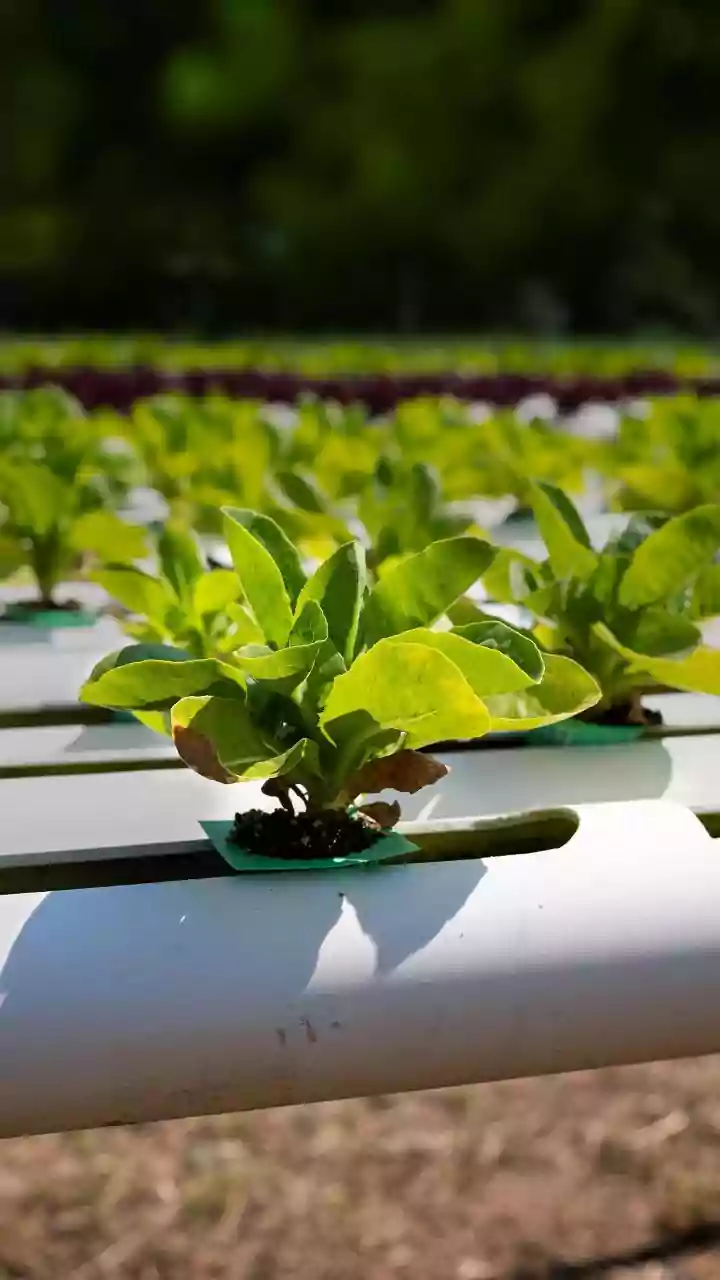
For decades, the term "urban farming" conjured images of earnest volunteers tending soil in vacant lots or small-scale hydroponic setups in school basements. It was a movement driven by community, sustainability, and a desire for local food. While noble,
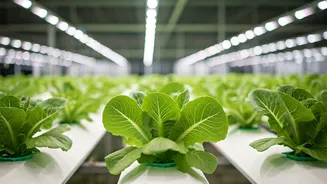
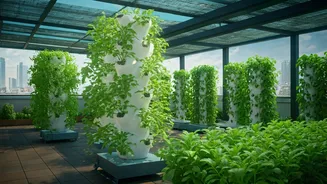
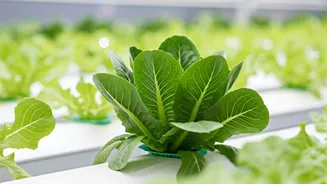
it was rarely seen as a threat to industrial agriculture. That perception is officially outdated. Today, the industry is undergoing a slick rebranding, driven less by grassroots activism and more by venture capital and hardcore technology. The new face of urban farming is less about soil-stained hands and more about clean rooms, data dashboards, and automated systems. Welcome to the era of Controlled Environment Agriculture (CEA), where the farm is a finely tuned machine, and the farmers are often data scientists and engineers.
The New High-Tech Toolkit
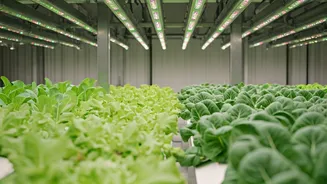
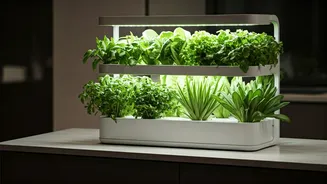
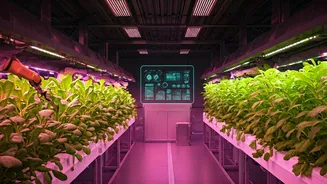
So, what does this "sexy new technology" actually look like? It’s a suite of tools that gives growers unprecedented control over every aspect of a plant's life. Think of it as agriculture-as-a-service. AI and machine learning algorithms analyze millions of data points—from cameras monitoring leaf color to sensors tracking nutrient uptake—to determine the perfect recipe of light, water, and food for optimal growth. Specialized LED lights can mimic and even improve upon natural sunlight, delivering specific wavelengths to enhance flavor or accelerate growth cycles. Robotic systems are being deployed for seeding, transplanting, and harvesting, reducing labor costs and operating 24/7. And a dense network of IoT (Internet of Things) sensors acts as the farm's nervous system, constantly monitoring temperature, humidity, and CO2 levels to create the perfect microclimate, year-round, regardless of the weather outside.
Meet the New Farmers: Tech Companies That Grow Food
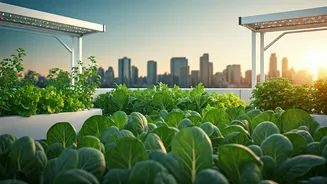
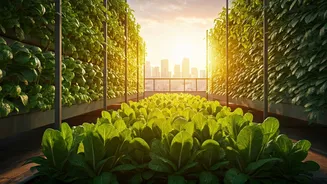
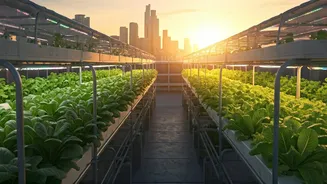
The pioneers of this new wave aren't traditional farmers; they're tech companies that happen to produce lettuce. Companies like Bowery Farming, Plenty, and AeroFarms have attracted staggering sums of investment from major players like Google Ventures, SoftBank, and Amazon's Jeff Bezos. Their facilities look more like data centers than farms—gleaming vertical towers of produce stacked stories high, bathed in the pinkish glow of custom LEDs. Their pitch isn't just about fresh, local greens. It's a business proposition based on efficiency, predictability, and supply chain resilience. By growing produce directly in or near urban centers, they promise to cut down on transportation costs, reduce food waste, and deliver a fresher product that hasn't spent a week on a truck. This is farming reimagined as a predictable manufacturing process, a powerful draw for investors looking for scalable solutions to global problems.
Growing Pains and a Dose of Reality
Despite the futuristic sheen and billions in funding, the industry's rebranding isn't without its challenges. The biggest hurdle is energy. Powering thousands of high-intensity LED lights and maintaining precise climate control 24/7 is incredibly electricity-intensive, leading to high operational costs and questions about the industry's true environmental footprint. The initial capital outlay to build one of these tech-driven farms is also massive, creating a high barrier to entry. In recent years, the sector has faced a reality check. Several high-profile vertical farming companies have struggled with profitability, leading to layoffs, facility closures, and bankruptcies. The "sexy" tech is proven, but proving the business model at scale remains the final frontier. The industry is learning that while you can control the environment inside the farm, you can't control the economic climate outside it.