




Trend 1: Treating Your Scalp Like Your Face
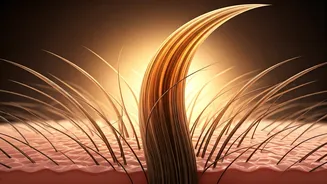
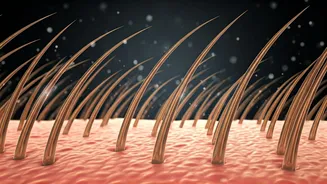
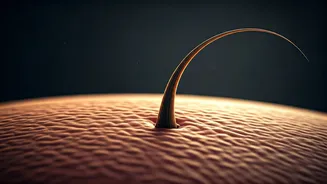
The idea of using scalp serums, exfoliants, and masks has exploded in popularity. The concept is simple: a healthy scalp grows healthy hair. Doctors are largely on board with this one. Board-certified dermatologists explain that product buildup, dead
skin cells, and excess oil on the scalp can clog hair follicles, potentially impeding growth and causing inflammation. Using a gentle chemical exfoliant (with ingredients like salicylic or glycolic acid) once or twice a week can help keep the scalp clear and balanced. Similarly, hydrating serums containing ingredients like hyaluronic acid can soothe a dry, itchy scalp. The key, experts say, is not to overdo it. Harsh physical scrubs can cause micro-tears, and over-exfoliating can strip the scalp’s natural barrier. Think of it as a targeted, once-a-week treatment, not a daily necessity.
Trend 2: Rosemary Oil for Hair Growth
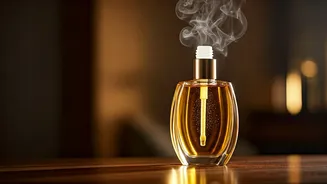
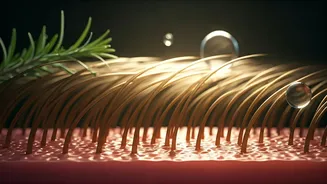
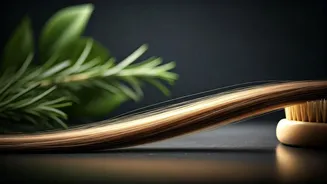
This is one of the biggest trends to emerge from TikTok, with countless videos showcasing impressive results. And surprisingly, there's some science to back it up. A notable 2015 study compared rosemary oil to minoxidil 2% (the active ingredient in Rogaine) for treating androgenetic alopecia (pattern baldness). After six months, both groups saw a significant increase in hair count, with the rosemary oil group reporting less scalp itching. Dermatologists caution that this doesn't make it a miracle cure. The study was small, and the results aren't as robust as those for FDA-approved treatments like minoxidil or finasteride. However, for those seeking a natural option, doctors agree that rosemary oil is a reasonable, low-risk thing to try. Its benefits are thought to come from improving circulation to the scalp and its anti-inflammatory properties. For best results, dilute a few drops in a carrier oil (like jojoba or coconut) and massage it into the scalp a few times a week.
Trend 3: Hair Slugging and Pre-Shampoo Oiling
‘Slugging,’ a skincare trend involving sealing in moisture with an occlusive layer, has made its way to hair care. This usually involves coating the ends of your hair in a heavy oil or serum overnight before washing. Dermatologists and trichologists (hair specialists) generally approve of this practice, often calling it by its traditional name: pre-shampoo oiling. Applying oil to dry hair before you wash it serves two purposes. First, it helps prevent ‘hygral fatigue’—the swelling and shrinking of the hair cuticle as it absorbs and loses water, which can cause damage over time. The oil creates a hydrophobic barrier. Second, it protects fragile ends from the stripping effects of shampoo. This trend is especially beneficial for people with dry, brittle, coarse, or chemically treated hair. Those with fine, easily weighed-down hair should use a lighter oil and focus only on the very ends, or perhaps skip it altogether.
Trend 4: Embracing Heatless Styling
From silk rollers to bathrobe belts, social media is full of ingenious ways to curl hair without a hot tool. This is one trend that gets a universal thumbs-up from doctors. It’s no secret that excessive heat styling is one of the leading causes of preventable hair damage. High temperatures break down the hydrogen bonds in hair and can permanently damage its protein structure, leading to dryness, breakage, and split ends. By opting for heatless methods, you completely eliminate that risk. While the results might be softer or take longer to achieve, you are prioritizing the long-term health of your hair. Dermatologists see this as a win-win: you get the style you want without sacrificing the integrity of your strands. For the best results, they recommend using these methods on hair that is about 80% dry and using silk or satin materials to minimize friction and frizz.