


Embrace the Protein-Fiber-Fat Trifecta
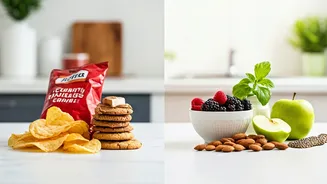
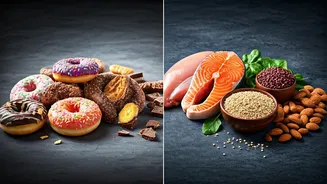
The most common snacking mistake is reaching for something that’s all simple carbohydrates, like pretzels or a sugary granola bar. While they provide a quick burst of energy, it’s often followed by a crash. Nutrition experts consistently advise building
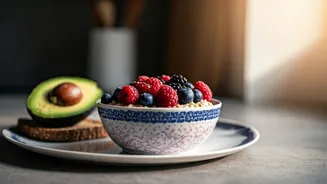
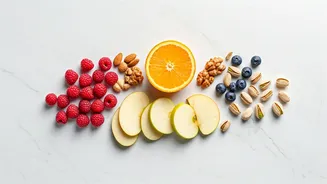
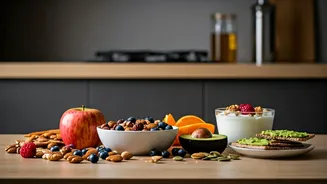
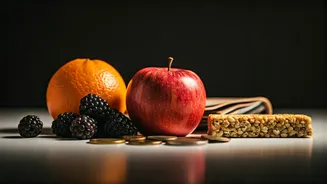
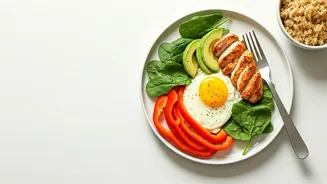
snacks around a combination of protein, fiber, and healthy fats. This powerful trio slows down digestion, which helps stabilize blood sugar and keeps you feeling full and satisfied for much longer. Think of it as a three-legged stool for satiety. Remove one leg, and the whole thing becomes wobbly. For example, instead of just an apple (fiber), pair it with a spoonful of almond butter (protein and fat). Instead of plain crackers (carbs), top them with a slice of cheese (protein and fat) or a smear of hummus (protein and fiber).
Plan Your Snacks Like Mini-Meals
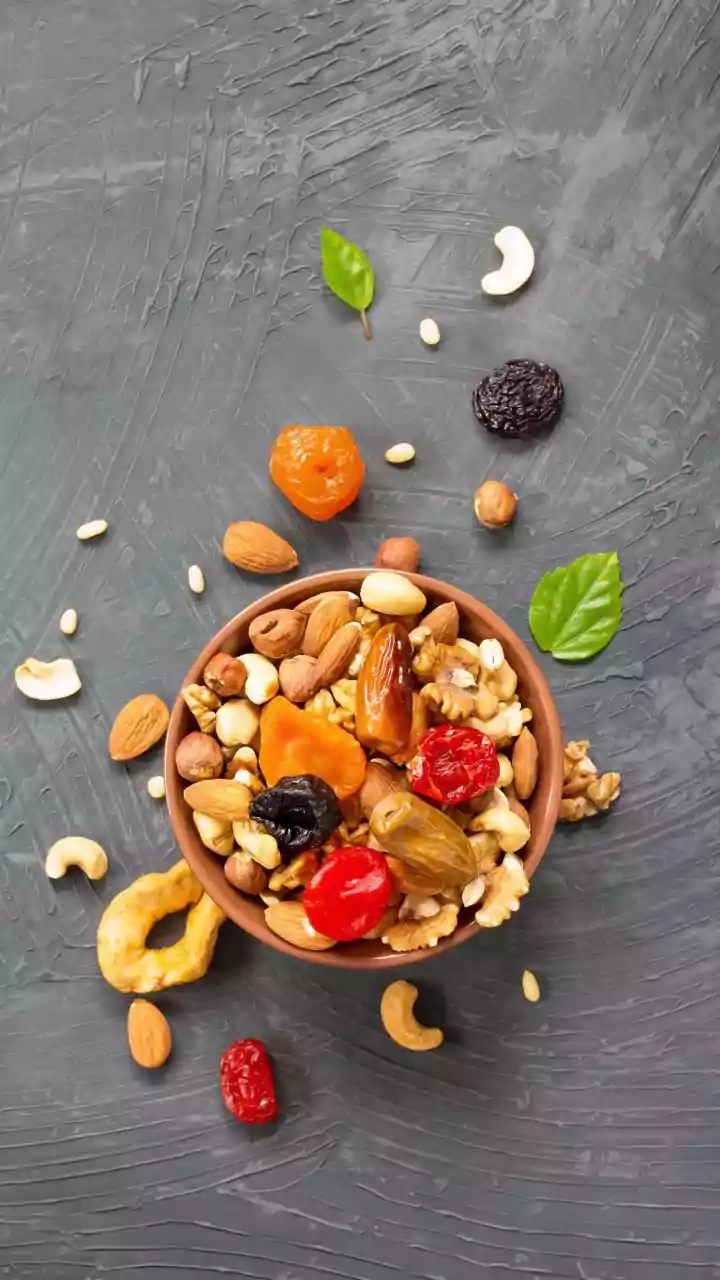
We plan breakfast, lunch, and dinner, but snacks are often an afterthought left to chance and convenience-store impulse buys. Dietitians suggest treating snacks with the same intention. When you have a planned, appealing option on hand, you’re far less likely to succumb to the vending machine or office donuts. This doesn't require elaborate preparation. At the beginning of the week, portion out small bags of nuts and dried fruit, boil a few eggs to keep in the fridge, or wash and cut up vegetables so they’re ready to grab with some dip. Having these pre-portioned, intentional choices removes decision fatigue at the moment you’re most vulnerable to making a poor one.
Create a Snack-Friendly Environment
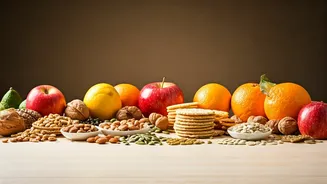
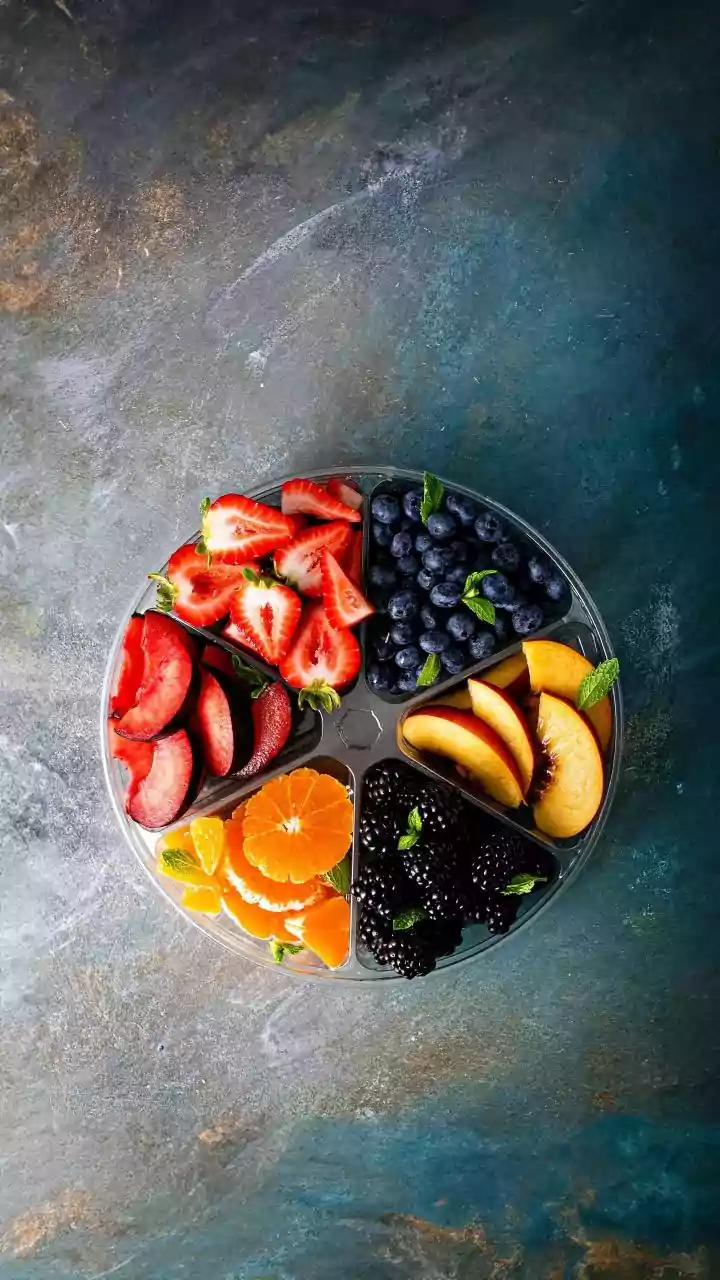
Your environment is one of the biggest predictors of your behavior. Behavioral scientists call this 'choice architecture.' If your desk drawer is filled with candy bars, you will eat candy bars. If your kitchen counter is home to a bowl of fresh fruit, you're more likely to grab a pear. The key is to make the healthy choice the easy choice. Keep nourishing, non-perishable options like roasted chickpeas, whole-grain crackers, or single-serving packs of olives visible and accessible. At the same time, move the cookies, chips, and other less-nutritious options to a higher shelf or an opaque container. You don’t have to banish them entirely, but by making them less convenient, you give yourself a moment to pause and decide if that’s really what you want.
Practice Mindful Munching
How often have you finished a bag of chips while answering emails or watching TV, only to realize you barely tasted them? This is mindless eating, and it prevents your brain from properly registering that you’ve eaten, leading you to feel unsatisfied and seek more food. The expert-backed solution is to treat your snack like a real break. Step away from your screen, put the food on a plate, and sit down. Pay attention to the flavors, textures, and aromas. Chew slowly. This practice not only makes snacking more enjoyable but also helps you become more attuned to your body's fullness signals, so you’re more likely to stop when you’re actually satisfied.
Heed Your Actual Hunger Cues
Before you reach for a snack, take a second to ask yourself: am I truly hungry? Oftentimes, we snack out of boredom, stress, habit, or thirst. A common tip from nutritionists is to drink a large glass of water and wait 10-15 minutes. The brain sometimes mistakes dehydration for hunger. If you still feel the physical signs of hunger—a rumbling stomach, low energy, slight lightheadedness—then it’s absolutely time for a well-chosen snack. But if the craving passes, you’ve identified a non-hunger trigger. Learning to distinguish between physical hunger and emotional or habitual urges is a foundational skill for building a healthier relationship with food.