





More Than Just a Post-Pandemic Rebound
It’s easy to write off the crowds as a simple post-pandemic surge. After years of home workouts and Peloton rides, people are flocking back to communal fitness spaces. Gym chains from Planet Fitness to Life Time have reported memberships returning to,
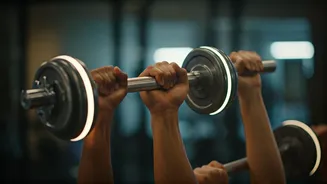
and in some cases exceeding, pre-2020 levels. But a simple rebound doesn’t fully explain why the squat racks and dumbbell stations are the new epicenters of activity. While the cardio section remains steady, the gravitational pull of the weight room has intensified dramatically, signaling a deeper change in what people want from their workouts.
The Demographic Shift: Strength Is for Everyone
For decades, the weight room was often perceived as a male-dominated, intimidating space. That stereotype is crumbling. The single biggest driver of the new crowds is a massive demographic shift, led primarily by women and Gen Z. The old fear-mongering myth that lifting heavy weights will make women “bulky” has been thoroughly debunked, replaced by an understanding that strength training builds lean muscle, boosts metabolism, and improves bone density. Influencers and everyday users alike now showcase strength not as a niche pursuit, but as a cornerstone of female wellness. Similarly, younger generations, raised on a more inclusive and body-positive internet, see strength as a form of empowerment, rejecting older, cardio-focused ideals of thinness for a new aesthetic of capability and health.
The TikTok Effect and the Democratization of Lifting
You can’t talk about modern fitness without talking about social media. Platforms like TikTok and Instagram have completely reshaped how people approach the gym. Short-form videos provide an endless stream of workout ideas, form tutorials, and progress montages. Hashtags like #GymTok have billions of views, creating a global, digital locker room. This has demystified the weight room for millions. Where a beginner once felt lost, they can now walk in with a full workout plan saved on their phone, complete with video demonstrations for every exercise. This digital guidance provides a crucial confidence boost, lowering the barrier to entry and encouraging people who might have otherwise stayed away to pick up a dumbbell.
New Goals, From Longevity to Mental Health
The motivation for working out is also evolving. While aesthetic goals will always be part of the equation, a growing number of people are lifting for reasons that have nothing to do with a six-pack. The conversation has shifted toward the profound benefits of resistance training for long-term health and “healthspan”—the number of years one lives in good health. Research highlighting strength training’s role in preventing chronic disease, improving cognitive function, and maintaining mobility into old age is going mainstream. Furthermore, many now view their time in the weight room as a non-negotiable part of their mental health routine. The focus, discipline, and tangible progress of lifting offer a powerful antidote to the stress and anxiety of modern life, reframing the gym as a sanctuary, not just a place to burn calories.