






Trend 1: The Loose and Gentle Hairstyle
While tight, high ponytails, severe-looking topknots, and slicked-back buns dominate social media feeds, dermatologists consistently raise red flags. These styles place constant, excessive tension on the hair follicle, a condition that can lead to traction
alopecia. This is a type of hair loss, sometimes permanent, caused by pulling. The 'trend' doctors prefer? Loose, low-tension styles. Think low ponytails, loose braids, or simply wearing your hair down. When you do opt for an updo, use softer ties like silk or satin scrunchies and avoid pulling the hair aggressively at the hairline. The goal is to secure your hair, not strain your scalp.
Trend 2: The Scalp-First Approach
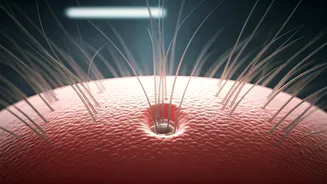
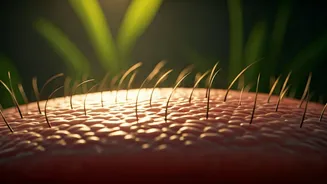
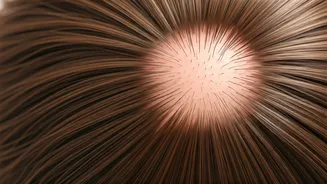
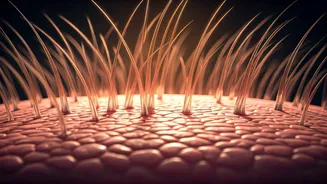
For years, hair care was all about the strands. But a much healthier trend is emerging: focusing on the scalp. Think of your scalp as the garden from which your hair grows; if the soil isn't healthy, the plants won't thrive. Doctors recommend treating your scalp with the same care you give your facial skin. This means cleansing it properly to remove sweat, oil, and product buildup that can clog follicles and lead to inflammation or dandruff. Look for shampoos formulated for your scalp needs—whether it's oily, dry, or sensitive. A gentle weekly scalp massage can also boost circulation, and exfoliating scalp treatments can help maintain a clean, healthy environment for hair growth.
Trend 3: 'Air Dry' and Low-Heat Styling
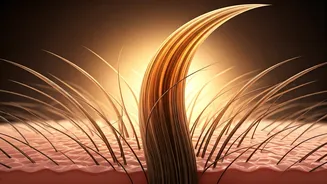
The obsession with perfectly straight or curled hair achieved through daily high-heat styling is a major concern for hair specialists. Irons and blow dryers operating at high temperatures can boil the water within the hair shaft, creating tiny, damaging bubbles and cracking the hair's protective outer layer, the cuticle. The result is brittle, dry, and breakage-prone hair. The doctor-approved alternative is embracing your natural texture and minimizing heat. When you can, let your hair air dry. If you must use heat, always apply a thermal protectant spray first, use the lowest effective temperature setting on your tools, and try to limit heat styling to just a couple of times per week.
Trend 4: The Responsive Washing Schedule
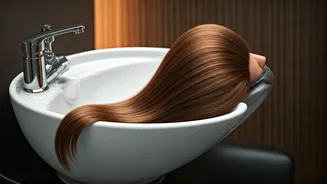
The debate over how often to wash your hair is endless. The medical answer is simple: wash it when it needs it. There is no universal magic number. According to the American Academy of Dermatology, how often you should shampoo depends on your oil production, hair type, and activity level. Someone with very oily hair might need to wash daily, while someone with dry, coarse, or chemically treated hair might be better off washing only once or twice a week. The key is to pay attention to your hair and scalp. If your scalp is itchy or you see flakes, you may be washing too little. If your hair feels stripped and brittle, you may be over-washing. The 'trend' is to listen to your body, not a rigid rule.
Trend 5: Embracing Your Natural Color and Texture
While not a styling trick, this is perhaps the biggest health-forward trend of all. Constant bleaching, dyeing, and chemical straightening or perming can inflict significant damage on the hair's protein structure. These processes break down the hair's cuticle to alter its color or shape, leaving it weaker and more susceptible to breakage. While an occasional color treatment from a professional is fine for most, the constant cycle of harsh chemical processing is a recipe for damage. Doctors would much rather see people embrace their natural hair, a 'trend' that guarantees less chemical exposure and structural stress, leading to stronger, healthier hair over time.