







From Tikka Masala to Thali
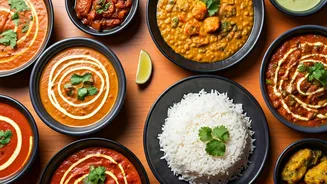
For decades, the American understanding of Indian food was largely confined to a handful of North Indian, Mughlai-inspired dishes: chicken tikka masala, saag paneer, and mountains of naan. It was delicious, but it was also a monolith, representing a tiny
fraction of what the subcontinent has to offer. That's changing, fast. Younger travelers, armed with Instagram, TikTok, and an insatiable appetite for authenticity, are rewriting the script. They aren't just going to India; they're going with a food-first itinerary. The goal is no longer just to see the Taj Mahal, but to taste the complex, 28-dish Sadya feast served on a banana leaf in Kerala, to find the best roadside chaat in Delhi, or to explore the Portuguese-influenced seafood curries of Goa. This shift marks a deeper appreciation for nuance, recognizing that “Indian food” is no more a single entity than “European food” is.
The Social Media Effect
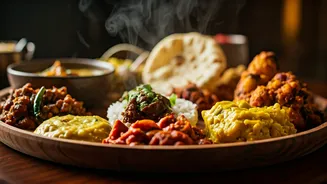
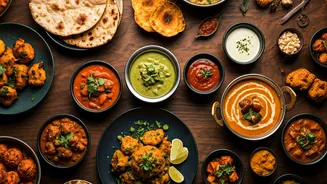
This culinary pilgrimage is powered by social media. A viral TikTok of a vendor expertly flipping a dosa or an Instagram story detailing the 12 different components of a Gujarati thali does more to inspire travel than any glossy brochure ever could. Food has become the ultimate visual language of travel, and India is a feast for the eyes and the algorithm. Aspiring foodies and professional influencers alike are building entire trips around content creation. They follow local food bloggers, book hyper-specific food tours, and sign up for cooking classes in family homes. The hunt for the perfect, undiscovered dish becomes a narrative in itself. This isn't just about consumption; it's about participation and documentation, turning a personal meal into a shared global experience and earning cultural capital along the way.
What's on the Real Menu?
So, what are they actually eating? The answer is: everything. In Mumbai, they’re navigating the crowded lanes of Mohammed Ali Road for slow-cooked nihari and sweet malpua. In Kolkata, they’re on the hunt for the city’s legendary kathi rolls and the distinct flavors of Bengali mustard-laced fish curry. In the south, they are discovering the difference between Chettinad cuisine from Tamil Nadu, known for its fiery spice blends, and the coconut-rich, subtly spiced stews of Kerala. The journey might take them to Lucknow, the historical seat of Awadhi cuisine, for melt-in-your-mouth galouti kebabs, or to the Northeast to sample Naga ghost pepper chutneys and fermented bamboo shoot delicacies. Each dish tells a story of a region’s history, climate, and culture, offering a far more intimate portrait of India than any monument could.
More Than Just a Meal
Ultimately, this trend is about more than just food; it’s a form of cultural immersion. By focusing on regional cuisines, these young travelers are engaging with India on a deeper, more respectful level. They are supporting local economies, from the street vendor to the family-run guesthouse that offers cooking lessons. They are learning that the spices in a Rajasthani laal maas are tied to the state’s arid climate and warrior history, and that the vegetarian cuisine of Udupi is rooted in centuries of temple traditions. Eating a meal becomes an act of learning and connection. This approach fosters a more nuanced understanding of a complex and diverse country, moving past stereotypes and toward genuine appreciation. It’s a shift from passive tourism to active, engaged exploration.