




The Great Thaw Begins
For months, the high-altitude valleys of India’s Uttarakhand state lie dormant under a heavy blanket of snow. But as the sun strengthens in late spring, a dramatic awakening occurs. June marks a magical transitionary period. The ice and snow begin a great
retreat, feeding the region’s rivers with torrents of crystal-clear meltwater. The air, once biting and still, now carries the scent of damp earth and the promise of life. This is the moment before the heavy monsoon rains arrive, a brief, perfect window where the landscape is at its most raw and vibrant. It’s a sensory explosion, as the silence of winter is replaced by the roar of awakening rivers and the hum of new growth.
A Carpet of Alpine Flowers
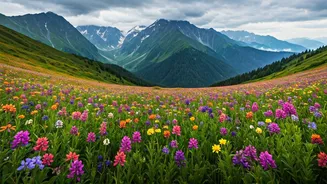
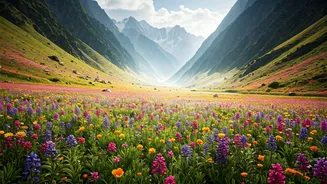
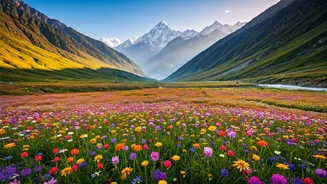
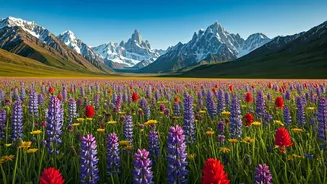
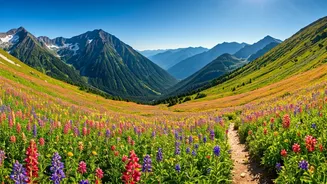
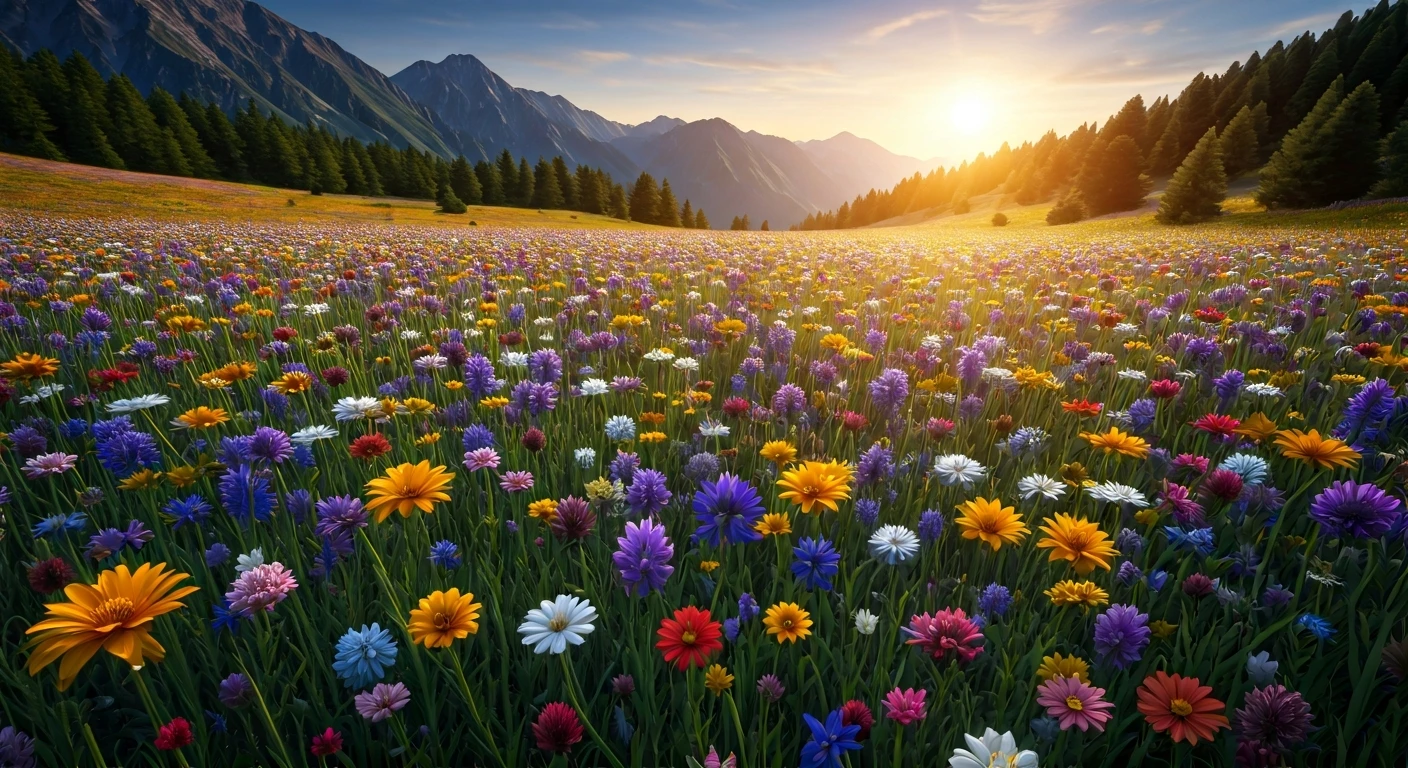
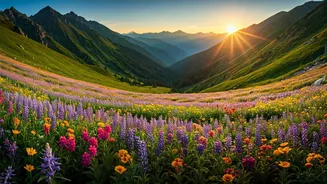
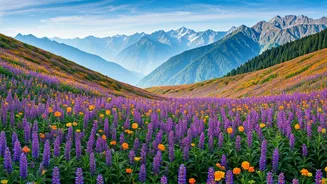
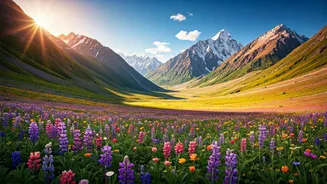
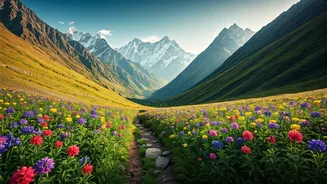
The most famous example of this transformation is the UNESCO World Heritage site, the Valley of Flowers National Park, which officially opens to trekkers on June 1st each year. The timing is no accident. As the snow recedes, it reveals a meadow floor primed for an explosion of flora. In June, the valley isn’t yet at its peak bloom—that comes later with the monsoon—but what appears is arguably more breathtaking. Patches of brilliant blue primulas, yellow marsh marigolds, and purple irises push through the soil, creating a pointillist painting against the dark, damp earth. This early bloom, set against the stark, rugged landscape and lingering snowfields, creates a contrast that feels truly unreal. You’re witnessing the very first brushstrokes of summer’s masterpiece.
Rivers Running Pure and Blue
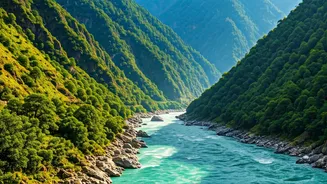
The headline’s promise of an incredible “River Valley” is fulfilled by waterways like the Pushpawati River, which flows through the Valley of Flowers. In June, the rivers of Uttarakhand are not the muddy, swollen torrents of the later monsoon season. Instead, they are fed by glacial melt, running with an astonishing clarity and a turquoise or sapphire hue. The water is achingly cold and moves with a powerful, energetic force. Standing on a wooden bridge, you can hear the deep rumble of boulders shifting below the surface and watch the water churn and foam as it carves its path down from the heavens. This pristine, powerful water is the lifeblood of the valley, and its vibrant color adds another layer to the otherworldly scenery.
The Himalayan Amphitheater
What makes the scene feel so monumental is its setting. These valleys are not gentle, rolling dales; they are dramatic chasms carved between some of the world’s most formidable mountains. Peaks like Nanda Devi, Trisul, and Kamet—all soaring over 22,000 feet—form a jagged, snow-covered amphitheater around you. In the clear air of early June, these giants seem close enough to touch. Their immense scale dwarfs everything below, making the delicate carpet of flowers and the rushing river seem all the more precious and miraculous. The sheer verticality of the landscape, from the valley floor to the icy summits, is what lends the scene its profound, humbling, and ultimately “unreal” quality.
A Perfect Window of Weather
This entire spectacle unfolds under what is often the best weather of the year. Before the monsoon clouds gather in late June or July, the skies are typically a deep, brilliant blue. The sun is warm and pleasant, perfect for the multi-day treks required to reach these remote Edens. The air is crisp and visibility is extraordinary, allowing for uninterrupted views of the panoramic mountain scenery. This fleeting period offers a rare combination of accessibility—the trails are finally clear of snow—and ideal conditions. It’s a photographer’s dream and a trekker’s paradise, a short, sublime season when the Himalayas put on their most dazzling and welcoming show.