



The Hill Station, Reimagined
Mention an Indian “hill station,” and the mind often conjures images of bustling market streets, shoulder-to-shoulder crowds, and a constant thrum of activity. These former colonial retreats, from Shimla to Darjeeling, were designed as escapes from the summer
heat of the plains. Today, many have become victims of their own success, choked with traffic and tourist-centric commercialism. But just a few miles uphill from the famously crowded town of Mussoorie lies its sleepy twin: Landour. It’s a place so fundamentally different that it’s converting even the most cynical “hill-station haters.” Landour isn't a destination you visit for a packed itinerary of sights; it's a place you go to breathe, to walk, and to remember what quiet sounds like.
A Protected Pocket of the Past
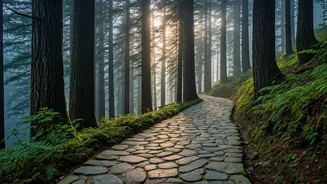
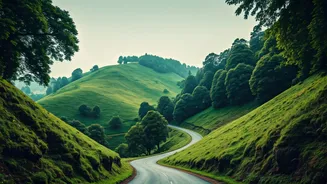
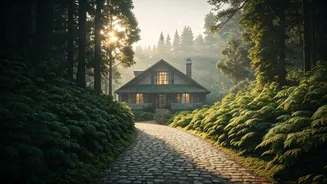
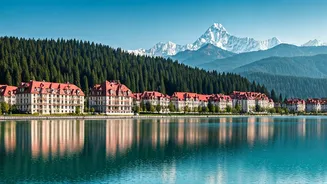
The secret to Landour’s tranquility lies in its history and governance. Established in the 1820s as a sanatorium for British soldiers, it remains a cantonment town—an area administered by the military. This seemingly small detail has had a massive impact. Strict building codes have prevented the kind of rampant, unregulated construction that has overwhelmed its neighbors. You won’t find sprawling new hotels, multi-story parking garages, or neon-lit shopping malls here. Instead, the landscape is dotted with charming colonial-era cottages draped in ivy, historic churches like St. Paul’s, and dense forests of deodar, pine, and oak. The town feels less like a tourist hotspot and more like a protected historical preserve, where the architecture and atmosphere of a bygone era are the main event.
The Soul of a Storyteller's Town
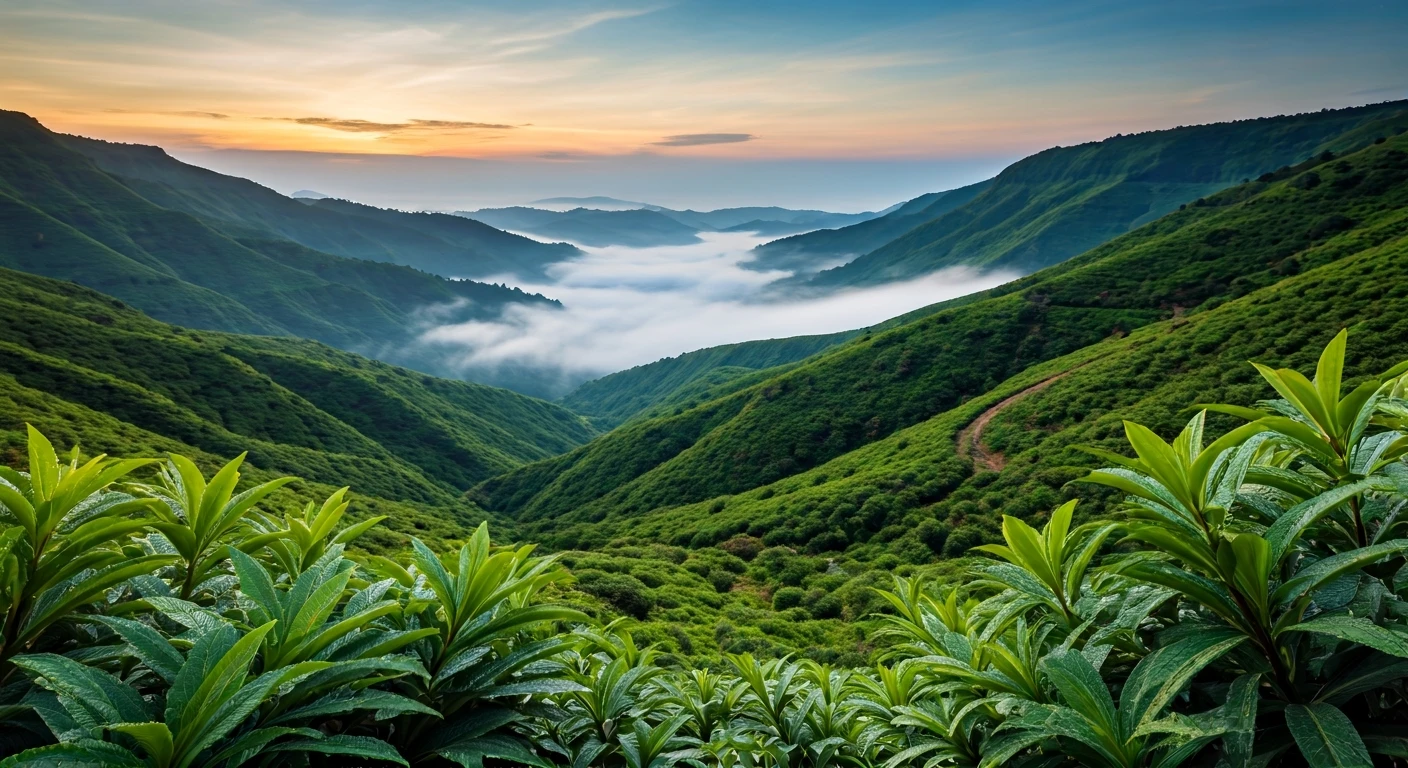
You cannot talk about Landour without mentioning its most famous resident, the beloved author Ruskin Bond. For decades, Bond has made this quiet town his home, and his stories have immortalized its misty lanes, whispering pines, and gentle pace of life. His presence has infused Landour with a distinct literary soul, attracting readers and writers who seek the same contemplative atmosphere that fuels his work. Unlike celebrity homes in Hollywood, Bond's residence isn't a spectacle; it’s a quiet landmark that reinforces the town's ethos. Visitors often find themselves seeing Landour through his eyes—noticing the ladybugs on a leaf, the calls of distant birds, and the way the fog rolls in over the valley. It's a place that encourages you to slow down, observe, and perhaps even feel like a character in one of his gentle, timeless tales.
The Simple Pleasures of Doing Nothing
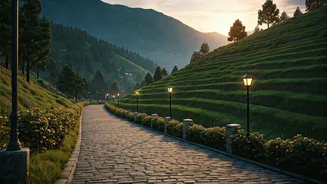
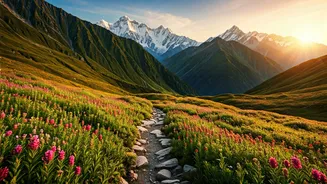
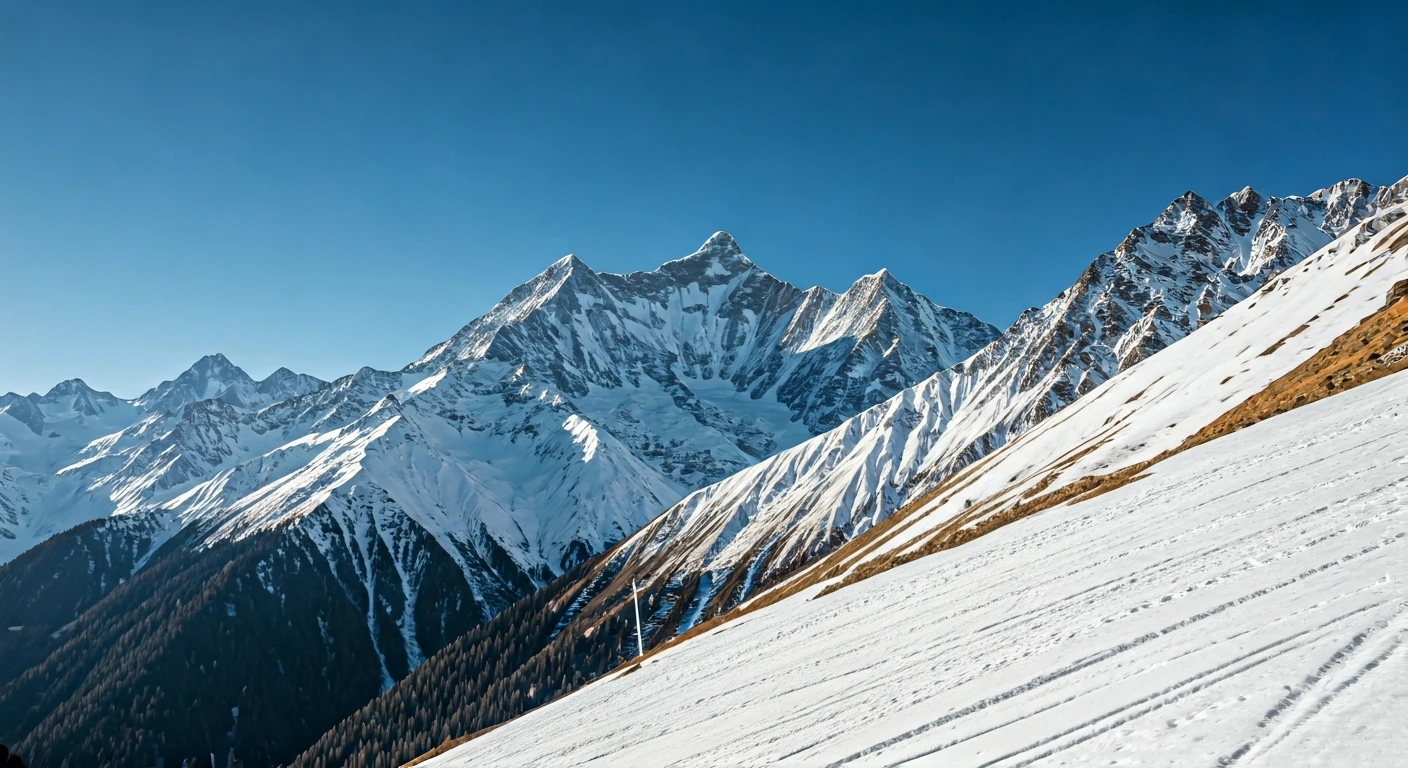
The daily rhythm in Landour is beautifully, refreshingly simple. The main social hub is a tiny cluster of four historic shops known as “Char Dukan,” where you can sit on a bench with a cup of ginger-lemon-honey tea and a plate of pancakes, watching the world—what little of it there is—go by. The primary activity is walking. A scenic loop road, known as the “Chakkar,” winds around the hillside, offering breathtaking views of the snow-capped Himalayan peaks on one side and the sprawling Doon Valley on the other. There are no theme parks or scheduled events. The entertainment is the crisp mountain air, the scent of woodsmoke, the rustle of leaves, and conversation with a local shopkeeper. For travelers burned out on checklists and constant stimulation, Landour offers the radical luxury of simply being.