

Why 'Easy' Is the New Aspirational
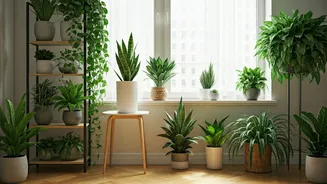
The houseplant boom, fueled by a desire to connect with nature and beautify our indoor spaces, has one major hurdle: anxiety. No one wants to be a plant killer. For millennials and Gen Z, who are often renting in urban environments and juggling busy schedules,
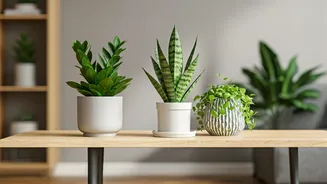
the appeal of a plant that thrives on a bit of neglect is undeniable. It’s not about laziness; it’s about success. Starting with a low-maintenance plant builds confidence. It proves that you *can* keep something alive, paving the way for a more rewarding and expansive hobby. These starter plants are the gateway to a greener life, offering all the aesthetic and mental health benefits with a much lower risk of failure.
The Snake Plant (Sansevieria trifasciata)
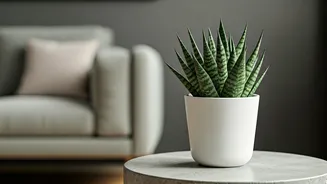
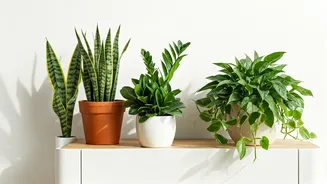
If there were a hall of fame for indestructible houseplants, the Snake Plant would be its first inductee. Known for its stiff, upright leaves that look like architectural art, this plant is the definition of forgiving. It stores water in its leaves, meaning it can tolerate weeks of outright neglect without complaint. In fact, the most common way to kill a Snake Plant is by overwatering it. It also tolerates a wide spectrum of light conditions, from bright, indirect sun to low-light corners where little else will grow. Plus, it’s an excellent air purifier, working hard even when you forget it’s there.
The ZZ Plant (Zamioculcas zamiifolia)
The ZZ Plant is the stylish, laid-back friend everyone wishes they had. With its wide, waxy, dark-green leaves, it looks almost artificial in its perfection. This is the plant for the person who travels frequently or is chronically forgetful about watering. Its underground rhizomes retain moisture so effectively that you might only need to water it once a month. Like the Snake Plant, it’s perfectly happy in low light, making it a favorite for office cubicles and dim hallways. It grows slowly and steadily, asking for almost nothing in return but a spot in your home.
The Pothos (Epipremnum aureum)
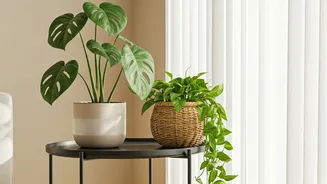
Often called Devil's Ivy, the Pothos is the enthusiastic cheerleader of the plant world. It’s a vining plant that grows quickly, giving new plant parents the satisfying visual feedback of success. Its heart-shaped leaves, often variegated with yellow or white, can drape beautifully from a high shelf or hanging basket. Pothos is incredibly communicative; its leaves will start to droop slightly when it's thirsty, bouncing back almost immediately after a drink. It thrives in a variety of light conditions and is famously easy to propagate—just snip off a piece of vine and put it in water, and you’ll have a new plant in weeks.
The Spider Plant (Chlorophytum comosum)
A retro classic for a reason, the Spider Plant is known for its distinctive, arching foliage and its prolific nature. It’s constantly producing offshoots, or “spiderettes,” which look like tiny versions of the mother plant dangling from long stems. These can be easily plucked off and planted to create new plants to keep or give away. Spider Plants are resilient, bouncing back easily from periods of neglect. They prefer bright, indirect light but will tolerate lower levels. Their slightly wild, fountain-like appearance adds a playful and dynamic touch to any room.
The Cast Iron Plant (Aspidistra elatior)
Its name says it all. The Cast Iron Plant earned its moniker for its ability to survive conditions that would kill almost any other plant—deep shade, infrequent watering, and temperature fluctuations. This Victorian-era favorite is making a comeback for its lush, dark, spear-shaped leaves that create a bold, tropical feel without any of the tropical fuss. It's a slow grower, but its toughness is legendary. If you’re convinced you have a “black thumb” and live in a home with very little natural light, the Cast Iron Plant is your ultimate test case. If you can’t keep this one alive, it might be time to consider silk.