


The Unloved Melon
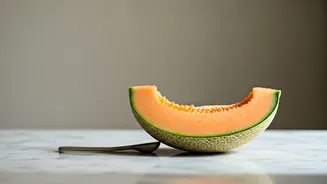
For decades, cantaloupe has been the forgotten middle child of the fruit world. It’s the pale, often underripe cube lurking at the bottom of a sad hotel breakfast buffet or a pre-cut supermarket fruit salad. While watermelon got all the summer glory and
honeydew had its niche fans, cantaloupe was… just there. It was the filler, the bulk, the thing you ate when the strawberries and grapes were gone. It never inspired passion or poetry; it was the beige sensible sedan of produce.
The Backlash to Performative Wellness
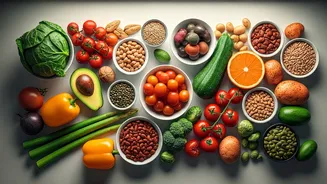
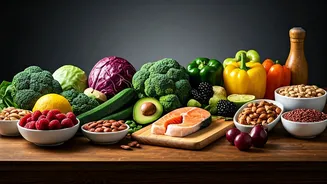
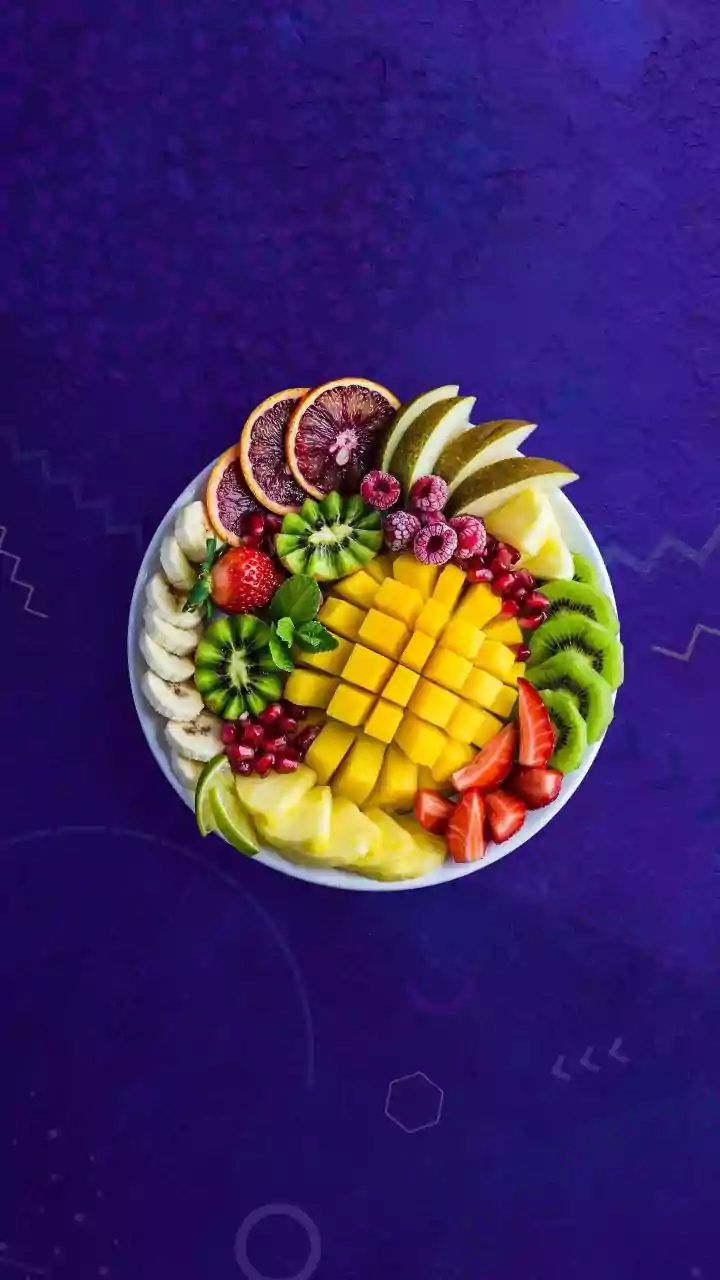
To understand cantaloupe’s sudden glow-up, you have to understand the exhaustion with the wellness culture that defined the last decade. It was a world of hyper-optimization, where every meal had to be an Instagram-worthy bowl of perfectly arranged superfoods. It demanded time, money, and a dedication to sourcing obscure ingredients like blue spirulina and maca root. Wellness became a competitive sport, another thing to be good at, another way to feel like you were falling short. But a quiet rebellion has been brewing. People are tired. They want health to feel less like a chore and more like a simple pleasure. Enter “lazy wellness”: the practice of choosing the easy, effective, and accessible option. It’s about drinking plain water instead of electrolyte-infused elixirs, taking a simple walk instead of a boutique fitness class, and, yes, eating a piece of fruit without having to blend it into a multi-step smoothie.
Cantaloupe's Simple Appeal
This is where cantaloupe shines. Its genius is its simplicity. You don’t need a recipe. You just need a knife. One melon yields days of easy, hydrating snacks. It’s packed with Vitamin C and Vitamin A, and its high water content makes it incredibly refreshing. It’s sweet but not too sweet, satisfying a sugar craving without the processed guilt. In a world of complicated health hacks, cantaloupe is gloriously straightforward. It requires no special equipment, no expensive powders, no online tutorials. Its appeal lies in what it *isn’t*: it isn’t aspirational, it isn’t exclusive, and it isn’t trying too hard. Eating a slice of cold cantaloupe on a hot afternoon feels like an act of gentle, uncomplicated self-care. It’s the wellness equivalent of putting on a comfortable old sweatshirt.
A Food Safety Reality Check
Before you crown cantaloupe the undisputed king of easy living, there's a crucial caveat. The melon’s textured, netted rind is notoriously good at trapping bacteria. In late 2023, a major multi-state Salmonella outbreak linked to cantaloupes served as a stark reminder of this risk. The CDC recommends thoroughly washing the outside of the melon with running water and a clean produce brush before cutting into it. This step, while not exactly “lazy,” is non-negotiable for safe consumption. This reality adds a wrinkle to the lazy wellness narrative. The easiest path isn’t always the safest. True wellness, even the lazy kind, requires a baseline of mindfulness. The cantaloupe story isn't just about ease; it's about finding a sustainable balance between convenience and common-sense care.