





The Endless Emerald Hills
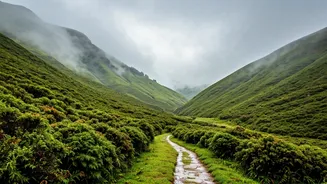
The most immediate and striking similarity between the Scottish Highlands and India’s Coorg (officially known as Kodagu) is the topography. Coorg is not a land of jagged, snow-capped peaks like the Himalayas. Instead, it’s a region of undulating, soft-shouldered
hills that stretch to the horizon. During the monsoon season, which typically runs from June through September, these hills are transformed. A constant supply of rain saturates the landscape, turning every shade of brown into a vibrant, impossible green. From any viewpoint, you’re greeted with a panorama of emerald slopes that seem to ripple and flow, much like the famous glens of Scotland.
A Blanket of Mist and Drizzle
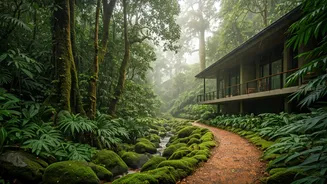
If Scotland is known for its moody, atmospheric weather, Coorg in the monsoon is its tropical counterpart. The air becomes heavy with moisture, and a persistent, fine drizzle is a near-constant companion. Low-hanging clouds and dense fog drift through the valleys, shrouding the hills in a soft, ethereal blanket. Driving along winding roads, you’ll see the mist part to reveal a stunning vista before closing in again, creating a sense of mystery and seclusion. This cool, damp climate, a stark contrast to the heat of the surrounding plains, was what reminded the British colonists of their distant home and helped cement the region's romantic nickname.
Waterfalls in Full Force
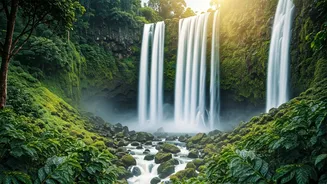
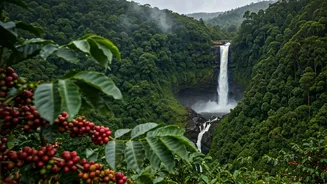
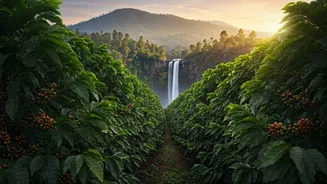
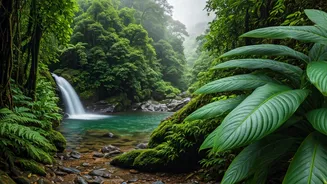
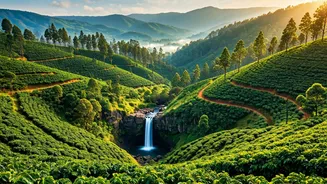
While Scotland has its lochs, Coorg has its waterfalls. The monsoon rains swell the region's rivers, turning gentle cascades into powerful, thundering torrents of water. Abbey Falls and Iruppu Falls, two of the area's most famous spots, are at their most spectacular during this season. The roar of the water fills the air, and the spray creates a permanent rainbow in the mist. These dramatic displays of nature’s power are a major draw for visitors who come to witness the landscape at its most dynamic and alive. It’s a wild, untamed beauty that feels both ancient and immediate.
Where It’s Not Scotland: Coffee and Spice
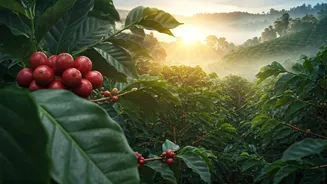
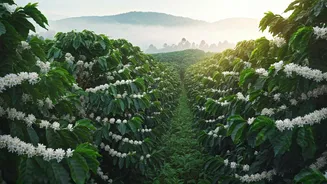
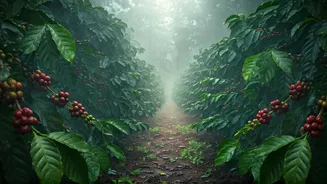
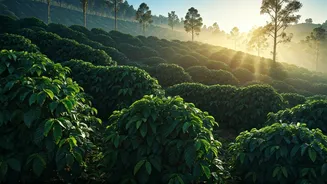
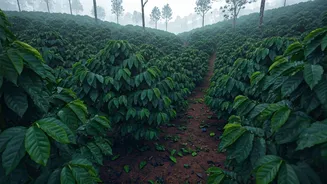
Here’s where the comparison ends and Coorg’s unique identity shines. You won’t find fields of barley or peat bogs here. Instead, the hills are carpeted with sprawling coffee plantations. Coorg is the heart of India’s coffee production, and the dark green, glossy leaves of the coffee bushes are everywhere, often shaded by towering jackfruit and rosewood trees. Interspersed among them are spice gardens growing cardamom, black pepper, and vanilla. The air, especially after a downpour, is a fragrant mix of blooming coffee blossoms, damp soil, and pungent spices—a sensory experience wholly unique to this corner of South India.
The Rich Kodava Culture
Unlike the Gaelic culture of the Scottish Highlands, Coorg is home to the Kodava people, an indigenous community with a distinct language, dress, and warrior tradition. Their culture is deeply intertwined with the land. Ancestor worship is central to their beliefs, and their festivals are vibrant celebrations of harvest and heritage. The local cuisine is another highlight, featuring flavorful pork curries (pandi curry), rice dumplings (kadambuttu), and dishes made with wild mushrooms and bamboo shoots foraged from the forest. This unique cultural fabric adds a layer of depth to Coorg that makes it far more than just a beautiful landscape.
A Traveler’s Note on the Monsoon
While breathtakingly beautiful, visiting Coorg during the peak monsoon requires some planning. The persistent rain means outdoor activities like trekking can be challenging, and leeches are common on forest trails. Roads can sometimes be affected by heavy downpours. For many, however, this is part of the appeal. The monsoon is the time for cozying up in a plantation homestay with a cup of locally grown coffee, reading a book by the window, and watching the rain transform the world outside into a living watercolor painting. It’s less about doing and more about being.